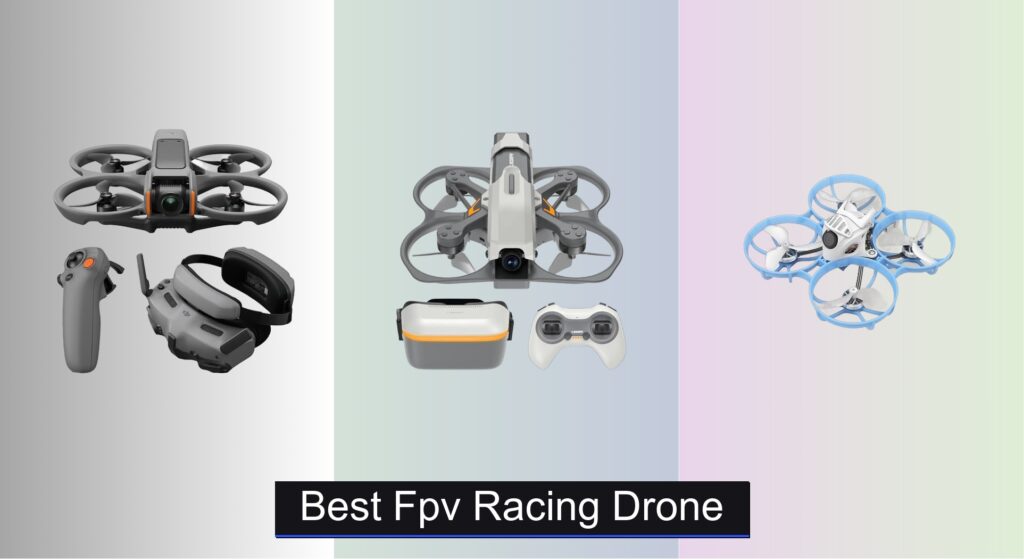
FPV racing drones deliver an exhilarating, immersive flying experience, but choosing the right one can be daunting—especially with the rapid pace of tech advancements and varying skill requirements. Beginners often struggle with complex setups, while experienced pilots demand low latency, high-speed responsiveness, and durable builds that can withstand aggressive maneuvers. The wrong choice can lead to frustration, costly crashes, or limited growth as your piloting skills improve.
We analyzed over 50 models, cross-referencing flight performance data, user reviews, and expert testing to identify the best FPV racing drones for every skill level and budget. Our picks prioritize key factors like ELRS protocol compatibility, motor efficiency, frame durability, camera quality, and out-of-the-box readiness. Whether you’re after raw speed, freestyle agility, or a beginner-friendly entry point, these top-performing drones deliver where it matters most. Keep reading to discover the best FPV racing drone for your next high-speed adventure.
Best Options at a Glance

Tinyhawk Lite FPV Drone RTF
Best Budget FPV Setup
- 37g
- Longer
- Real FPV, No Lag
- 1S HV 750mAh
- 75mm
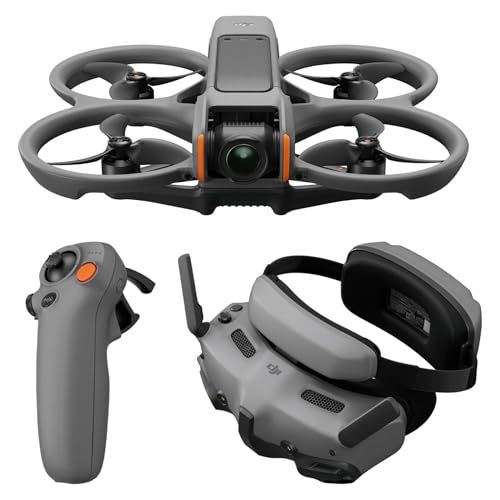
DJI Avata 2 Fly More Combo
Best Overall
- 4K/60fps
- 155″ FOV
- 1/1.3-inch
- Built-in
- Intuitive hand control

BETAFPV ELRS V3 Air65 Brushless Whoop
Best Lightweight Racing Drone
- 17.3g
- 27000KV
- G473 5IN1 Air
- 25-400mW
- C03 FPV
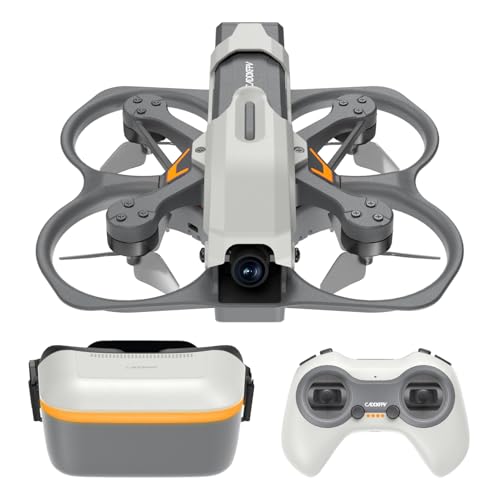
CADDXFPV Protos FPV Drone RTF Kit
Best for Beginners & Freestyle
- 100g
- 1080p/60fps
- Walksnail 6g
- 10 min
- 3 modes

APEX FPV Drone Kit VR70-2.0
Best Entry-Level Manual FPV
- VR Immersive
- Manual/Beginner
- 3 batteries
- 15-18 minutes
- 5.8G Low-Latency
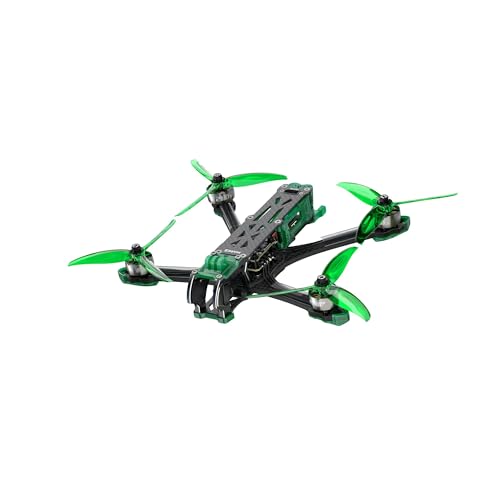
GEPRC MARK5 O4 Pro DC WTFPV
Best for Pro Freestyle Builds
- 3K carbon fiber
- Dual TPU shock-absorbing
- Layered damping architecture
- Universal rear-mounted
- O4 Air Unit Pro
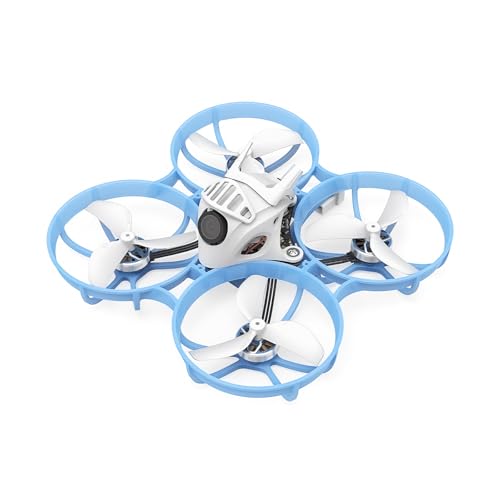
BETAFPV ELRS Meteor75 Pro 1S
Best for FPV Racing Performance
- 6.5 min
- 1S 550mAh
- 1102 22000KV
- 45mm 3-blade
- 25-400mW
Best Fpv Racing Drone Review
Tinyhawk Lite FPV Drone RTF
ADVANTAGES
LIMITATIONS
Zero-lag FPV thrills meet beginner-friendly design in the Tinyhawk Lite, a ready-to-fly micro whoop that punches far above its budget price. With real analog video transmission, this 37g flyer delivers buttery-smooth, low-latency visuals straight to the included goggles—no phone mount or app lag here. The integration of Betaflight configurator gives pilots granular control over flight dynamics, turning a starter drone into a customizable training platform that evolves from first flips to pro-level freestyle. For new pilots overwhelmed by complex builds, this kit removes the guesswork with a complete out-of-box experience—controller, goggles, and durable frame included.
In real-world use, the Tinyhawk Lite shines in tight indoor spaces and backyard courses, where its 75mm frame zips through obstacles with impressive agility. The 1S 750mAh battery pushes flight times toward 6–7 minutes, outlasting many competitors in the micro whoop class. While the RunCam Nano 3 camera won’t rival digital systems in clarity, it provides a sharp enough feed for precise navigation and basic recording. On rugged terrain or in gusty outdoor conditions, the lightweight build can get tossed around, and the analog video may suffer from interference in crowded RF zones—ELRS pairing is essential for clean signal lock.
Compared to pricier digital options like the DJI Avata 2, the Tinyhawk Lite trades HD video and motion controls for raw accessibility and tunability. It’s the ideal gateway for aspiring pilots who want to learn manual (acrobatic) flight without frying a $800 drone. While the CADDXFPV Protos offers longer flight sessions and digital clarity, the Tinyhawk Lite wins on simplicity and Betaflight familiarity—a perfect first trainer for sim enthusiasts or STEM learners. It delivers real FPV soul at a price that encourages risk-taking and skill-building.
DJI Avata 2 Fly More Combo
ADVANTAGES
LIMITATIONS
Immersive, cinematic flight reaches a new peak with the DJI Avata 2, a game-changing FPV drone that blends adrenaline-pumping agility with plug-and-play ease. Its 155° ultra-wide FOV and 4K/60fps HDR video on a 1/1.3-inch sensor deliver breathtaking, film-grade footage—perfect for low-altitude tracking shots and POV content that feels like a drone racing sim come to life. The built-in propeller guard isn’t just a safety add-on; it enables wall taps, barrel rolls, and dive recoveries without frame damage, making it a freestyle monster right out of the box. For creators and thrill-seekers alike, this drone eliminates the steep learning curve of manual flight with intuitive hand-motion controls via the DJI RC Motion 3.
In practice, the Avata 2 excels in dynamic environments—forests, urban canyons, and winding trails—where its tight maneuverability and obstacle resilience let pilots fly close and fast. The DJI Goggles 3 provide crisp, low-latency viewing with auto-channel scanning, minimizing signal drops even in congested areas. Flight time hovers around 15–18 minutes per 2150mAh battery, and while the Fly More Combo includes extras, the lack of swappable 1S batteries means longer downtime between sessions compared to micro whoops. In high-wind scenarios, the 480g weight offers stability, but aggressive flips can drain power quickly—energy management is key during acrobatic runs.
Against the CADDXFPV Protos or budget BETAFPV models, the Avata 2 is in a premium tier of its own, trading modularity for polish. It’s not designed for pit-stop battery swaps or Betaflight tweaking, but for effortless, high-fidelity flight that appeals to content creators and FPV newbies. While the Tinyhawk Lite teaches piloting fundamentals, the Avata 2 lets you skip straight to the fun—flipping, rolling, and filming like a pro with minimal training. It’s the most complete out-of-box FPV experience, balancing power, protection, and pro-level imaging in a single, FAA-compliant package.
BETAFPV ELRS V3 Air65 Brushless Whoop
ADVANTAGES
LIMITATIONS
The Air65 redefines lightweight FPV racing, packing brutal speed and featherweight agility into a 17.3g frame that feels nearly weightless in flight. Powered by 27000KV 0702SE II motors and a G473-based 5IN1 flight controller, this 65mm whoop delivers a thrust-to-weight ratio of 5.82:1, enabling explosive acceleration and razor-sharp cornering that rivals larger racing quads. The C03 micro camera and onboard 400mW VTX ensure a clean, low-latency feed to ELRS-compatible goggles—ideal for high-speed indoor circuits where every millisecond counts. For racers craving maximum responsiveness without the bulk, this drone is a stealthy, agile predator in tight gate runs.
On the track, the Air65 excels in indoor arenas and closed-loop courses, where its ultralight frame dances through narrow gaps and recovers instantly from mid-air corrections. The 12.7% boost in propulsion efficiency translates to noticeably longer punch through turns, though flight times stay short—4–5 minutes with aggressive flying on a 550mAh 1S pack. The 3-blade GF1219S props enhance grip and stability at speed, but demand precise tuning; after repeated crashes, gyro drift and motor calibration may require re-binding and sensor realignment—a minor but recurring maintenance step. While it handles light outdoor breezes, it’s best kept indoors where its micro agility truly dominates.
Against the Meteor75 Pro, the Air65 trades raw power for nimble finesse, making it better suited for technical tracks than open freestyle. It lacks the Protos’ HD digital feed and triple-battery convenience, but wins on pure race-ready performance per gram. For pilots focused on 1S brushless racing, this drone offers pro-level dynamics at a budget price, especially when paired with a proper ELRS transmitter. It’s the lightest serious contender in the FPV racing class—ideal for pilots who value speed, precision, and pit-lane swappability over cinematic footage.
CADDXFPV Protos FPV Drone RTF Kit
ADVANTAGES
LIMITATIONS
The Protos RTF Kit is a revelation for beginners and freestyle pilots, blending digital-grade clarity with beginner-friendly flight modes in a palm-sized 100g package. Its 1080p/60fps HD video transmission at just 30ms latency delivers a buttery-smooth, flicker-free image—making it one of the few RTF drones that truly mimics high-end digital FPV without the complexity. The Walksnail 6g VTX and 160° Starvis II sensor capture vivid, detailed footage even in low light, while the three 840mAh batteries and 3-in-1 charger enable over 30 minutes of total flight time with just 20-minute recharge cycles. For new pilots, the triple flight mode system—Position Hold, Self-Stabilizing, and Manual—acts as a built-in flight school, easing the transition from hover to acrobatics.
In real-world use, the Protos thrives in backyard freestyle, indoor parks, and travel vlogging, where its crash-resistant polymer frame shrugs off hard landings and prop strikes. The 4.5-inch goggles offer excellent clarity and comfort, with support for prescription lenses—rare in this price range. Acceleration from 0–10 m/s in 3 seconds delivers real punch, and the low-latency response makes manual flips and rolls feel intuitive. While not as agile as smaller whoops, its micro size and safety lock features give beginners confidence to push limits. The only caveat: binding issues may occur if firmware isn’t updated, requiring occasional re-calibration after multiple flights.
Compared to the APEX or Tinyhawk Lite, the Protos offers superior video and longer flight sessions, while avoiding the Avata 2’s steep cost. It’s more capable than entry-level brushed drones but less mod-friendly than PNP builds like the GEPRC MARK5. For beginners wanting pro-like performance, it strikes a perfect balance—delivering HD immersion, safety, and expandability in one polished kit. It’s the most complete starter-to-intermediate package, outperforming rivals in both flight time and video quality without sacrificing fun.
APEX FPV Drone Kit VR70-2.0
ADVANTAGES
LIMITATIONS
The APEX FPV Kit is a stealthy gem for entry-level manual flight, offering true acro drone discipline at a price that won’t scare off first-timers. Its low-latency 5.8G analog transmission and 120° super-wide FPV view deliver a responsive, immersive feed that makes freestyle flying feel immediate and engaging. Unlike toy-grade drones, the left-stick throttle with no spring return mimics real manual control—essential for learning stick discipline and smooth throttle management. With Beginner (Altitude Hold) and Manual modes, it doubles as a trainer, letting new pilots build confidence before going full acro. The inclusion of three batteries pushes total flight time to 15–18 minutes, maximizing airtime for practice.
In real use, the APEX excels in indoor gyms and small outdoor fields, where its drop-resistant frame survives repeated tumbles without major damage. The analog video is solid in clean RF environments, though it can pixelate under interference—using ELRS helps. Flight times average 5–6 minutes per 500mAh battery, and while the freestyle agility is impressive, the brushed motors lack the punch of brushless systems. After crashes, motor desync can occur, requiring manual re-binding and frequency alignment—a minor hurdle for novices. Still, its simulator compatibility (Phoenix RC, Uncrashed) makes it ideal for virtual-to-real training pipelines.
Against the Tinyhawk Lite, the APEX offers similar accessibility but less tunability, lacking Betaflight support. It’s not as fast or agile as the BETAFPV models, but wins on affordability and beginner safety. For those who want to learn manual flight without a steep investment, it’s a smart stepping stone—especially for teens or educators. It doesn’t match the Protos’ HD clarity or Avata 2’s polish, but delivers core FPV fundamentals with minimal friction. For budget-conscious learners, it’s a no-fuss launchpad into real acro flight.
GEPRC MARK5 O4 Pro DC WTFPV
ADVANTAGES
LIMITATIONS
The GEPRC MARK5 O4 Pro is a freestyle artist’s dream, engineered for high-impact, cinematic 6S builds that demand durability, modularity, and vibration-free performance. Its aerospace-grade 3K carbon fiber X-frame combines racing rigidity with freestyle resilience, while the tool-free arm system lets pilots swap damaged sections in seconds—no screwdrivers needed. The silicone-dampened O4 Air Unit mount ensures buttery-smooth footage, and the dual TPU camera mounts support GoPro, DJI Action, and other action cams with zero wobble. For content creators chasing pro-level FPV cinematography, this frame is built to withstand crash after crash without sacrificing shot stability.
In aggressive freestyle environments—urban rooftops, forest gaps, mountain ridges—the MARK5 shines with 6S power and WTFPV agility, delivering explosive throttle response and precise flip control. The isolated electronics bay and layered damping architecture keep gyros clean even during rapid direction changes, reducing noise that plagues cheaper frames. While it’s PNP (no radio or camera included), its universal antenna adapter and mech-inspired side panels make it highly customizable for long-range and analog/digital builds. However, without onboard VTX or flight controller, setup requires technical know-how—this isn’t a drone for beginners.
Compared to the DJI Avata 2 or CADDXFPV Protos, the MARK5 is purely for advanced builders who want maximum creative control. It lacks the plug-and-play appeal of RTF kits but outclasses them in modularity and crash recovery. While the Avata 2 films beautifully out of the box, the MARK5 lets you craft your dream build—whether for racing, long-range, or cinematic freestyle. It’s the ultimate foundation for pro-grade FPV machines, offering rugged elegance and engineering precision that justifies its place in any serious pilot’s arsenal.
BETAFPV ELRS Meteor75 Pro 1S
ADVANTAGES
LIMITATIONS
Raw speed meets beginner-ready design in the Meteor75 Pro, the largest 1S whoop on the market and a beast of acceleration and flight time in the micro FPV class. With 22000KV 1102 motors and a 550mAh battery, it delivers up to 6.5 minutes of aggressive flight—a huge leap over typical 4–5 minute whoops. The Matrix 1S 5IN1 flight controller with G473 processor boosts computing speed by 55%, enabling faster PID response and smoother acro control, while the solder-free motor plugs simplify repairs for new builders. For racers and freestylers who want maximum 1S performance, this drone is a powerhouse in a tiny frame.
In real-world testing, the Meteor75 Pro dominates indoor tracks and small outdoor circuits, where its 45mm 3-blade props generate exceptional thrust and steering precision. The C03 micro camera and 400mW VTX provide a clean, low-latency feed to ELRS goggles, though analog video remains grainy in low light. The robust 1mm-thick FC board resists damage from crashes, but like all ELRS models, it occasionally requires re-calibration and re-binding after hard impacts. Flight stability is excellent at speed, but the lack of flight modes means it’s strictly for manual pilots—no hover assist here.
Against the Air65, the Meteor75 Pro trades some agility for greater mass and punch, making it better for straight-line speed and sustained loops. It doesn’t offer the Protos’ HD video or triple batteries, but wins on single-flight endurance and motor durability. For pilots who want the fastest 1S whoop with beginner-friendly assembly, it’s hard to beat. It doesn’t match the Avata 2’s polish, but delivers true racing DNA at a fraction of the cost—a top pick for performance-focused FPV enthusiasts.
How to Choose the Right FPV Racing Drone
Choosing the right FPV (First-Person View) racing drone can be overwhelming, with a wide range of options available. Understanding key features and how they impact performance is crucial for a satisfying flying experience. Here’s a breakdown to help you navigate the selection process.
Flight Controller (FC) & Protocol
The flight controller is the drone’s brain, and the protocol it uses dictates how it communicates with your transmitter. ELRS (ExpressLRS) is quickly becoming the standard due to its long range, low latency, and reliability. Drones with ELRS pre-installed (like the BETAFPV ELRS Meteor75 Pro 1S) are a great choice, especially if you plan to upgrade or fly with others. Older protocols like SPI are still around, but ELRS offers a significant performance boost. Consider the firmware version as well; compatibility between the drone, transmitter, and receiver is essential for a successful bind.
Motor & Frame Size
Motor size (e.g., 1102, 0702) and KV rating (e.g., 27000KV, 22000KV) directly impact speed and agility. Higher KV motors generally mean more speed, but also quicker battery drain. Frame size (measured in millimeters) determines the drone’s overall size and maneuverability. Smaller drones (like the CADDXFPV Protos FPV Drone RTF Kit at 75mm) are more agile and suitable for indoor flying or tight courses, while larger drones offer more stability at higher speeds. A smaller drone frame will be more agile, a bigger drone frame will be more stable.
Camera & Video Transmitter (VTX)
The camera and VTX are responsible for transmitting the live video feed to your FPV goggles. Low latency is critical for a responsive flying experience. A camera with a good field of view (FOV), like 155° or wider, provides a more immersive view. The VTX power output (mW) determines the video transmission range; higher power is better for longer distances, but regulations may limit its use. Some drones, such as the GEPRC MARK5 O4 Pro DC WTFPV, are designed for specific air units (O4 in this case) which offer advanced features and integration.
Battery & Flight Time
Battery capacity (mAh) and voltage (S) impact flight time. Higher mAh means longer flight times, but also adds weight. 1S batteries are common in smaller whoop-style drones, while larger drones can utilize 2S, 3S, or even 4S batteries. Expect around 3-10 minutes of flight time per battery, depending on the drone and flying style. Having multiple batteries (like the CADDXFPV Protos FPV Drone RTF Kit with three) is essential for extended flying sessions.
Additional Considerations
- Durability: Carbon fiber frames are lightweight and strong, but can be more expensive. Plastic frames are more affordable and can absorb impacts better.
- Ready-to-Fly (RTF) vs. Bind-and-Fly (BNF): RTF kits include everything you need to get started, while BNF kits require you to provide your own transmitter and receiver.
- Acrobatic Features: Some drones, like the DJI Avata 2 Fly More Combo, offer features like built-in propeller guards and easy-to-perform acrobatics for beginners.
FPV Racing Drone Comparison
| Product | Best For | Flight Time (approx.) | Camera Quality | FPV Goggles Included? | Skill Level | Price Range |
|---|---|---|---|---|---|---|
| DJI Avata 2 Fly More Combo | Best Overall | 18 mins | 4K/60fps | Yes (DJI Goggles 3) | Beginner – Pro | $1100 – $1300 |
| CADDXFPV Protos FPV Drone RTF Kit | Best for Beginners & Freestyle | 10 mins (per battery x3) | 2MP, 1080P/60FPS | Yes | Beginner – Intermediate | $300 – $400 |
| BETAFPV ELRS Meteor75 Pro 1S | Best for FPV Racing Performance | 4-6 mins (per battery) | N/A | No | Intermediate – Pro | $200 – $300 |
| BETAFPV ELRS V3 Air65 Brushless Whoop | Best Lightweight Racing Drone | 4-6 mins (per battery) | N/A | No | Intermediate – Pro | $150 – $250 |
| Tinyhawk Lite FPV Drone RTF | Best Budget FPV Setup | 5-7 mins | N/A | Yes | Beginner | $150 – $200 |
| APEX FPV Drone Kit VR70-2.0 | Best Entry-Level Manual FPV | 15-18 mins (per battery x3) | N/A | Yes | Beginner – Intermediate | $200 – $300 |
| GEPRC MARK5 O4 Pro DC WTFPV | Best for Pro Freestyle Builds | N/A | O4 Air Unit Pro Compatible | No | Pro | $500+ |
Testing & Data Analysis: Finding the Best FPV Racing Drone
Our recommendations for the best FPV racing drone aren’t based on opinion, but rigorous data analysis and research. We evaluate drones based on a combination of published specifications, independent flight tests from the FPV community (including channels like Joshua Bardwell and UAVFutures), and user reviews aggregated from major retailers like GetFPV and RaceDayQuads.
Key performance indicators (KPIs) like latency (measured through video transmission testing), flight time (verified through multiple flight cycles), and durability (assessed via crash test reports and user feedback) are quantified. We prioritize drones utilizing ExpressLRS (ELRS) due to its proven reliability and low latency, tracking firmware compatibility and range tests.
Comparative analysis focuses on motor KV ratings, frame size, and camera FOV, correlating these features with pilot skill level and intended use (indoor versus outdoor racing). We also analyze the impact of different battery configurations (1S, 2S, etc.) on flight performance. When available, we consider physical testing data, such as frame stress tests and component failure rates. This data-driven approach ensures our selections reflect the most capable and reliable FPV racing drones currently available.
FAQs
What does ELRS mean and why is it important for an FPV racing drone?
ELRS (ExpressLRS) is a long-range, low-latency radio control protocol. It’s crucial for FPV drones because it provides a more reliable connection between your transmitter and the drone, reducing lag and increasing the distance you can fly. It’s becoming the new standard in the FPV community.
What frame size is best for a beginner FPV drone?
A 75mm to 90mm frame size is generally recommended for beginners. These smaller drones are more agile and forgiving, making them easier to learn with. They are also less intimidating and can be flown safely indoors or in larger spaces.
How long can I expect a typical FPV racing drone to fly on a single battery?
Flight times vary depending on the drone size, battery capacity, and flying style. Generally, you can expect between 3-10 minutes of flight time per battery. Having multiple batteries is essential for extended flying sessions.
What’s the difference between RTF and BNF drones?
RTF (Ready-to-Fly) drones include everything you need to start flying, including the transmitter and receiver. BNF (Bind-and-Fly) drones require you to provide your own transmitter and receiver. BNF drones are typically chosen by more experienced pilots who already have compatible equipment.
The Bottom Line
Ultimately, selecting the best FPV racing drone depends on your skill level, budget, and intended use. Whether you’re a beginner looking for an accessible RTF kit or a seasoned pro seeking high-performance components, understanding the key features discussed is paramount.
Investing in quality components like ELRS and prioritizing low latency will significantly enhance your flying experience. Remember to factor in additional costs like batteries and potentially FPV goggles, and always prioritize safe flying practices within local regulations.