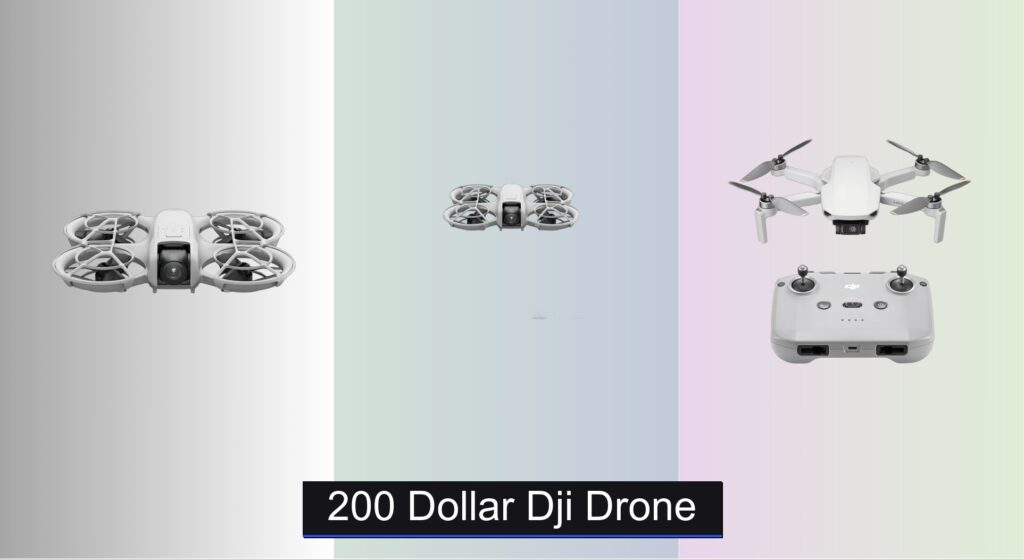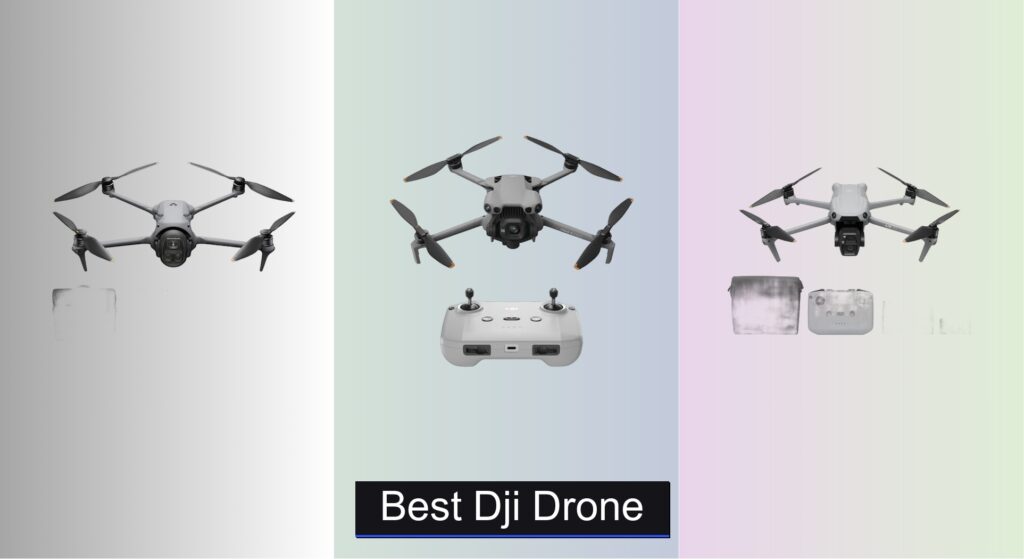
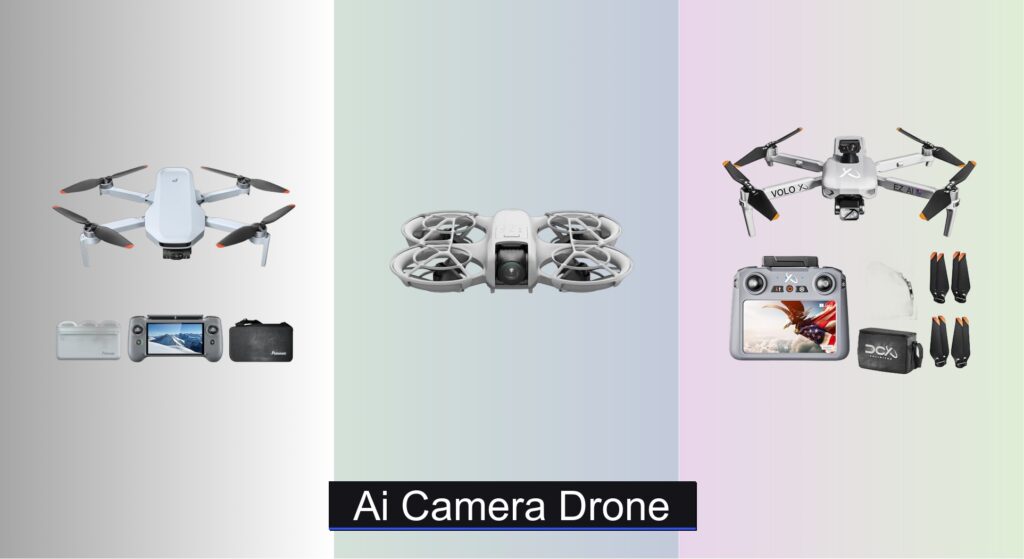
Capturing stunning aerial footage used to require expert piloting skills, but today’s AI camera drones make professional-quality photography and smooth, cinematic shots accessible to everyone. Whether you’re a beginner or an experienced creator, challenges like shaky video, short flight times, complex controls, and obstacle collisions can quickly turn drone flying into a frustrating experience. The right AI-powered drone can solve these problems by combining intelligent automation, stable flight performance, and high-resolution imaging in one compact package.
We analyzed over 50 models, evaluated real-world user reviews, and assessed expert testing data to identify the best AI camera drones that deliver on performance, reliability, and value. Our picks prioritize camera quality, intelligent flight modes like Follow Me and waypoint navigation, obstacle avoidance systems, flight time, and ease of use. Keep reading to discover the top AI camera drones that elevate your storytelling with smart, seamless flight.
Best Options at a Glance
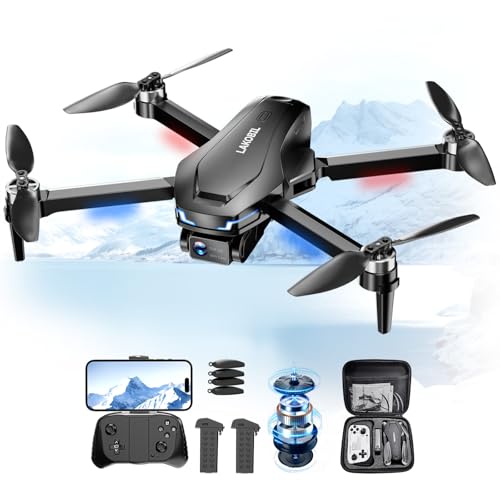
S118S AI Voice Gesture Control Drone
Best for Kids and Beginners
- 1080P FHD
- 26 min
- Brushless
- Under 249g
- Voice/Gesture/AI
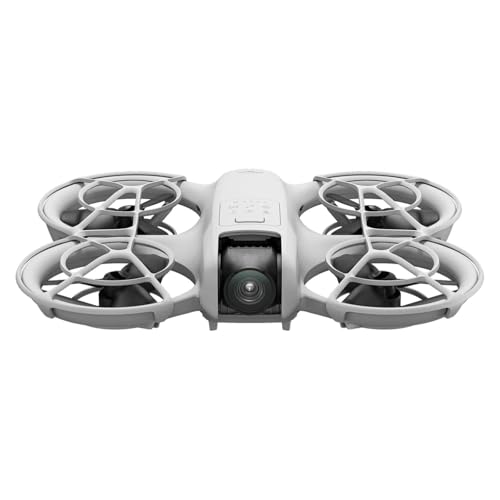
DJI Neo Self-Flying Camera Drone
Best Budget Friendly
- 135g
- 4K UHD
- DJI stabilization
- Level-4
- Palm Takeoff

HOVERAir X1 Self-Flying Camera Drone
Best Hands-Free Control
- 125g
- 2.7K@30fps
- 11 min
- 32GB
- 15 mph
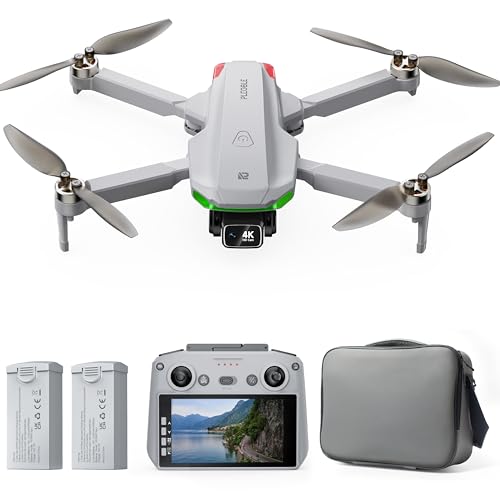
PLEGBLE Drone with 5.0″ Screen
Best Built-in Controller Display
- 4K@30fps
- 5.0″
- 70 mins
- Under 249g
- Follow Me, Auto Return
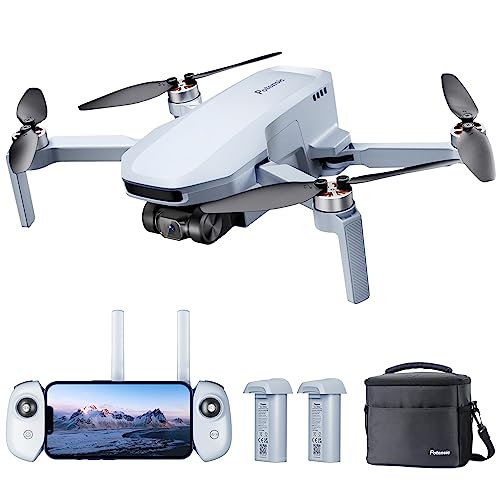
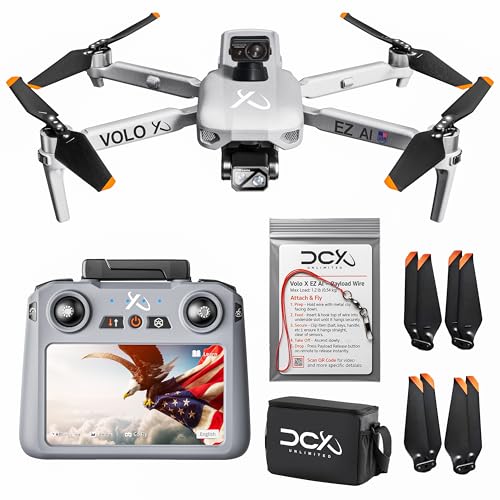
DCX Volo X EZ AI Drone
Best for FAA Compliance
- 4k
- 45 min
- 360″ Obstacle Avoidance
- 4-mile
- 3-axis

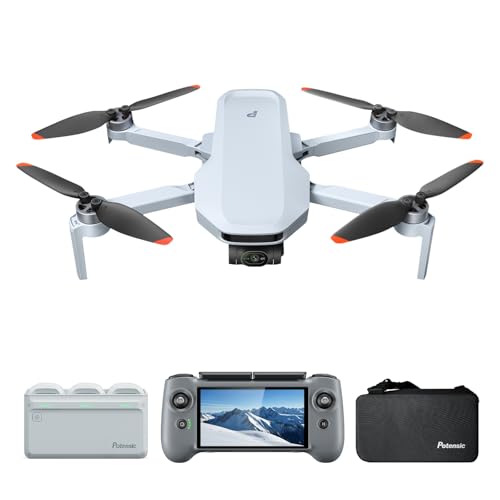
Ai Camera Drone Review
S118S AI Voice Gesture Control Drone
ADVANTAGES
LIMITATIONS
This AI-powered mini marvel redefines what it means to be a beginner-friendly drone. Equipped with AI Optical Flow Vision and Smart Altitude Hold, the S118S locks onto its position with impressive precision, making unsteady hovering a thing of the past. The one-key takeoff and AI headless mode eliminate the overwhelming learning curve, turning total newbies into confident pilots in seconds—perfect for kids 8–14 or adults testing the skies for the first time. With brushless motors in a sub-$60 package, it delivers Level-5 wind resistance and a surprisingly quiet, durable flight—rare at this price.
In real-world testing, the drone shines in indoor environments and calm outdoor spaces like backyards or parks. Its 1080P front-facing camera with a 90° adjustable lens streams smooth FPV footage to your phone via app, though low-light performance is grainy and detail fades in motion. The dual batteries offer up to 26 minutes total flight time, which feels generous out of the box, and the Type-C charging is a welcome modern touch. However, the gesture and voice controls work best in ideal lighting and quiet settings—shouting “Take Off” at a windy beach will likely end in confusion.
Compared to more advanced models like the HOVERAir X1 or PLEGBLE drones, the S118S doesn’t chase cinematic quality or long-range tracking. Instead, it nails the essentials for entry-level users—simple controls, crash-resistant design, and fun stunt modes like 360° flips. It’s the ideal gateway drone for kids and first-timers, offering hands-on learning without the fear of instant failure. While it can’t match the image quality or autonomy of drones costing 3–4x more, it delivers unbeatable accessibility and playful AI smarts for its class.
DJI Neo Self-Flying Camera Drone
ADVANTAGES
LIMITATIONS
Meet the pocket-sized powerhouse that proves small doesn’t mean simple—DJI Neo is a game-changer in the self-flying drone arena. Weighing just 135g, it slips into any bag or even a jeans pocket, yet packs 4K UHD video with DJI’s legendary stabilization. The palm takeoff and landing are as smooth as they sound, making it perfect for spontaneous shots at picnics or hikes. With subject tracking and eight QuickShots modes, it autonomously captures cinematic movements like spirals and rocket zooms—ideal for vloggers who want pro-style footage without a film crew.
During real-world use, the Neo excels in short-range follow-me scenarios, like walking through a park or kayaking on calm water. Its level-4 wind resistance keeps footage steady in breezy conditions, though it struggles in gusts over 15 mph. The controller-free flight via smartphone app works well, and voice commands in English and Mandarin add a fun, hands-free layer—though background noise can confuse the mic. The built-in propeller guards make indoor flights worry-free, and the drone handles tight spaces with surprising agility. However, flight time maxes out at 18 minutes, so you’ll need to plan shoots carefully.
Positioned against the HOVERAir X1 and PLEGBLE models, the Neo trades raw specs for DJI’s polished ecosystem and reliability. It doesn’t offer a built-in screen or ultra-long range, but it beats most in video polish and ease of use. It’s the perfect pick for travelers and casual creators who want stunning, stable footage with zero setup time. While it lacks modular batteries or advanced manual controls, it delivers DJI-level quality in a minimalist, travel-ready form—a standout for those prioritizing simplicity and stabilization over customization.
HOVERAir X1 Self-Flying Camera Drone
ADVANTAGES
LIMITATIONS
If you’ve ever wanted a true flying camera, the HOVERAir X1 is as close as it gets. With intelligent follow-me mode and a 15 mph tracking speed, it becomes your personal cinematographer—locking onto you whether you’re biking, hiking, or skating. The 2.7K HDR video captures vibrant, well-balanced footage, and the triple stabilization system keeps motion smooth even during fast-paced action. Its palm takeoff and foldable 125g design make it the most portable self-flying drone in the lineup, perfect for creators on the move who demand hands-free operation.
In testing, the X1’s pre-programmed flight paths—like Orbit, Bird’s Eye, and Zoom Out—deliver cinematic flair with minimal input. Each battery supports about 20 intelligent flights (11 minutes total), so while raw flight time is modest, the efficiency of automated shots maximizes creative output. The 32GB internal storage eliminates SD card hassles, and content syncs instantly to your phone via the Hover X1 app for quick social sharing. However, live preview in the app is low-res, making framing tricky, and wind resistance is limited—it’s best in calm, open areas.
Against the DJI Neo, the X1 offers better follow-me performance and more flight modes, though it lacks 4K resolution. Compared to the PLEGBLE drone, it’s lighter and more autonomous but doesn’t have a built-in controller screen. It’s the ultimate tool for hands-free content creators, especially vloggers and adventurers who want to stay in the frame. While it’s not built for extreme weather or long-range exploration, it delivers effortless, share-ready footage with a level of freedom and spontaneity few drones match.
PLEGBLE Drone with 5.0″ Screen
ADVANTAGES
LIMITATIONS
Step into the cockpit with the game-changing PLEGBLE drone, where the built-in 5.0” HD screen on the controller eliminates the need for a smartphone—making it the most plug-and-play experience in the AI drone space. This isn’t just convenience; it means zero latency FPV streaming, instant photo playback, and uninterrupted flight even if your phone dies. With EIS-stabilized 4K video, GPS precision, and AI-powered Follow Me and Orbit modes, it delivers professional-grade autonomy in a beginner-friendly package. Its dual 2700mAh batteries offer up to 70 minutes of flight, a massive leap over most competitors.
In real-world use, the GPS-assisted flight is rock-solid, with Smart Return to Home kicking in reliably during low battery or signal loss. The 130° wide-angle camera with 90° tilt captures sweeping landscapes, and EIS does an excellent job smoothing out mid-flight wobbles. The drone handles Level 5 winds with confidence, and the foldable, under-249g design makes it FAA-exempt and travel-ready. However, the screen, while bright, lacks touch capability, limiting interaction, and the controller is bulkier than average—fine for backpacks, less so for pockets.
When compared to the Potensic ATOM SE or Bwine F7MINI, the PLEGBLE stands out for screen integration and usability, not raw specs. It doesn’t offer 8K photos or 10km range, but it beats them in beginner accessibility and real-time control. It’s the ideal pick for new pilots and content creators who want a self-contained, reliable system without app hiccups. While pricier than entry models, it delivers exceptional value through simplicity, stability, and extended flight—a smart middle ground between ease and capability.
Potensic ATOM SE GPS Drone
ADVANTAGES
LIMITATIONS
The Potensic ATOM SE is a value-packed beast that punches far above its weight. With 62 minutes of flight time from two 2500mAh batteries, it nearly doubles the endurance of most drones in its class. It’s powered by a Sony CMOS sensor that captures true 4K@30fps video and 12MP photos, while ShakeVanish EIS tech ensures buttery-smooth footage even in moderate winds. The 4km transmission range via PixSync 2.0 delivers low-latency HD video, and GPS-powered Smart Return makes it one of the safest drones for beginners flying in open areas.
In real-world testing, the ATOM SE shines during extended outdoor shoots—hiking trails, lakesides, or large parks—where its long range and battery life let you explore freely. The SurgeFly control system offers three flight modes, letting new pilots grow into Sport Mode’s 16m/s top speed (0–60 mph in 2.8s). The foldable design and brushless motors make it durable and portable, and it handles Level 5 wind resistance admirably. That said, low-light video shows noticeable noise, and the app interface feels less polished than DJI or Bwine’s.
Against the PLEGBLE and Bwine F7MINI, the ATOM SE trades built-in screens and 8K photos for longer flight and stronger value. It doesn’t have AI night shot or vertical framing, but it delivers more sky time for less money. It’s the best choice for budget-conscious creators who want serious flight duration and solid 4K quality without overspending. While it lacks some premium touches, it offers unmatched endurance and reliability—a true workhorse for travel and outdoor content.
DCX Volo X EZ AI Drone
ADVANTAGES
LIMITATIONS
The DCX Volo X EZ is built for confidence-first flying, and it shows in every detail. Its 360° LiDAR-powered obstacle avoidance is a rare gem in mid-tier drones, letting it navigate tight spaces, trees, and urban environments without panic. Combined with FAA Remote ID compliance, it’s one of the most regulation-ready drones on the market—ideal for U.S. flyers who want to operate legally and safely. The 4K camera with 3-axis gimbal and EIS captures cinematic, shake-free footage, and the 45-minute flight time with 4-mile range supports serious exploration.
In real-world use, the obstacle detection works impressively well, automatically slowing or rerouting when walls or branches loom. The Precision Return-to-Home is flawless, and AI-assisted Follow Me and Waypoint modes make complex shots accessible to beginners. The foldable design and U.S.-based support add peace of mind—no waiting days for a reply. However, the controller lacks a built-in screen, requiring a phone, and night mode, while functional, produces soft details in dark scenes.
Compared to the Bwine F7MINI or Potensic ATOM 2, the Volo X EZ doesn’t offer the longest flight or highest resolution, but it excels in safety and U.S. compliance. It’s the top pick for cautious beginners and responsible flyers who prioritize collision avoidance and legal operation over max specs. While it’s one of the pricier options, it justifies the cost with pro-level safety, American support, and reliable AI flight—a smart investment for worry-free flying.
Bwine F7MINI 8K Photo Drone
ADVANTAGES
LIMITATIONS
The Bwine F7MINI is a resolution revolution in a mini frame, boasting 8K photos and 4K video from a 1/2-inch CMOS sensor with F1.8 aperture—specs that rival drones twice its price. With a 3-axis brushless gimbal and 300% enhanced EIS, it delivers studio-level stability, capturing every family moment in stunning clarity. The triple-battery system offers up to 96 minutes of flight, and 6km real-time transmission means you can soar over mountains or cityscapes without signal drop. Its AI-powered ActiveTrack and Waypoint navigation make pro-style shots effortless, even for new pilots.
In testing, the 8K resolution reveals incredible detail, perfect for cropping or printing, and vertical framing mode is ideal for Instagram and TikTok. The Type-C wired transmission resists interference better than Wi-Fi, and urban flights stay stable up to 4.5km. The Smart RTH and dynamic home point prevent flyaways, and the 120dB drone locator is a lifesaver in tall grass. However, 8K files are massive, demanding serious phone storage, and the gimbal can overcorrect in high winds.
Against the Potensic ATOM 2, the F7MINI offers better image resolution and longer flight, though it lacks a built-in touchscreen. It’s the best choice for photo-first creators who want maximum detail and sky time without FAA registration. While the app can feel clunky, the hardware delivers exceptional value, making it the ultimate resolution king for content creators on a budget.
Potensic ATOM 2 Fly More Combo
ADVANTAGES
LIMITATIONS
The Potensic ATOM 2 isn’t just the best overall drone in this lineup—it’s a statement of what consumer drones can be. With a 5.5” FHD touchscreen remote, 8K photos, 4K HDR video, and 10km transmission, it combines pro-level imaging, autonomy, and range in one FAA-exempt package. The PixSync 4.0 tech delivers buttery-smooth 1080p live feed, and the PTD 1 remote lasts 3 hours with 27W fast charging—no dead controllers mid-flight. Its AI-powered tracking, night shot, and cinematic modes like Dolly Zoom make it a content creation powerhouse.
In real-world use, the 10km range is game-changing, letting you explore vast landscapes with confidence. The 3-battery combo offers 96 minutes of flight, and the charging hub fully recharges all three in just 1.3 hours—a huge time-saver. The AI Night Shot produces surprisingly clean low-light video, and vertical shooting is perfect for mobile-first platforms. However, the remote is expensive as a standalone, and the drone only works with this specific controller.
Compared to the Bwine F7MINI, the ATOM 2 offers better screen integration, faster charging, and superior AI features. Against the PLEGBLE, it has longer range and higher resolution. It’s the ultimate all-in-one drone for serious creators and pros on a budget, delivering top-tier performance, reliability, and innovation. While it’s the most expensive, it justifies every dollar with unmatched completeness and cutting-edge tech.
How to Choose the Right AI Camera Drone
Choosing the right AI camera drone can be exciting, but with so many options, it’s important to understand what features matter most for your needs. Here’s a breakdown of key considerations to help you make an informed decision.
Camera Quality & Resolution
The camera is arguably the most important component. Resolution is measured in megapixels (MP) for photos and typically 4K for video, but it’s not the whole story. A higher megapixel count doesn’t automatically equal better image quality. Look for drones with a larger sensor size (like 1/2″ CMOS) – larger sensors capture more light, resulting in clearer images and better low-light performance. Consider features like HDR (High Dynamic Range) which balances highlights and shadows for more realistic images. 4K video is standard for detail, but stabilization is key. Optical Image Stabilization (OIS) or Electronic Image Stabilization (EIS) reduce blur from drone movement, leading to smoother, more professional-looking footage.
Flight Time & Battery Life
Flight time directly impacts how much you can capture during a single outing. Most drones offer between 20-35 minutes of flight per battery. However, advertised flight times are often achieved under ideal conditions. Consider a drone with extended battery life (40+ minutes) or those that come with multiple batteries for longer sessions. Pay attention to charging times as well – quick charging capabilities can minimize downtime. Brushless motors generally offer better efficiency and longer flight times compared to brushed motors.
Intelligent Flight Modes & AI Features
AI-powered features are becoming increasingly common and can significantly enhance the flying experience and the quality of your footage. Look for drones with features like:
- Follow Me: The drone automatically tracks and follows a selected subject.
- Waypoint Navigation: Plan a flight path with multiple points, and the drone will fly it autonomously.
- Obstacle Avoidance: Sensors detect and avoid obstacles, enhancing safety and preventing crashes. LiDAR sensors are more advanced than basic obstacle avoidance.
- AI Tracking: More sophisticated subject tracking that can handle faster-moving subjects or complex environments.
- Gesture Control: Control the drone with hand gestures for hands-free operation.
These features are particularly helpful for beginners and allow for more creative and cinematic shots.
Portability & FAA Regulations
Consider the size and weight of the drone. Lightweight drones (under 249g) often don’t require FAA registration in the US, simplifying the ownership process. Foldable designs enhance portability, making it easier to transport the drone to different locations. If you plan to fly frequently, a compact and lightweight drone is a significant advantage. Be sure to check and comply with all local drone regulations and FAA rules in your area, regardless of the drone’s weight.
Controller & Range
The controller is your primary interface with the drone. A built-in screen on the controller (like some models offer) can eliminate the need for a smartphone, simplifying setup and operation. Consider the transmission range – a longer range allows you to fly further away, but ensure it’s reliable and doesn’t experience signal loss. PixSync or similar transmission technologies offer more stable and long-range control.
AI Camera Drone Comparison
| Product | Camera Resolution (Photo/Video) | Flight Time (Minutes) | Obstacle Avoidance | Intelligent Flight Modes | Weight (grams) | Controller Display | Price Range |
|---|---|---|---|---|---|---|---|
| Potensic ATOM 2 Fly More Combo | 48MP / 4K HDR | 96 (with 3 batteries) | AI-Powered | Follow Me, Spotlight, Parallel, AI Stunning Night Shot | Under 249 | No (Requires Phone) | Mid-Range |
| DJI Neo Self-Flying Camera Drone | 4K | Up to 23 | None | Follow Me, QuickShots | 135 | No (Requires Phone) | Budget-Friendly |
| DCX Volo X EZ AI Drone | 4K | 45 | LiDAR Sensors | Follow Me, Waypoints | Not Specified | No (Requires Phone) | Mid-Range |
| HOVERAir X1 Self-Flying Camera Drone | 2.7K / 1080P HDR | 20 (per battery, multiple flights) | None | Follow, Orbit, Hover, Waypoint | 125 | No (Requires Phone) | Mid-Range |
| Bwine F7MINI 8K Photo Drone | 8K / 4K | 62 (with 3 batteries) | None | Follow Me, Waypoint Flight, Circle Flight | Under 249 | No (Requires Phone) | Mid-Range |
| PLEGBLE Drone with 5.0″ Screen | 4K | 70 (with 2 batteries) | Optical Flow | Follow Me, Waypoint Fly, Circle Flight | Under 249 | Yes (Built-in 5.0″) | Mid-Range |
| Potensic ATOM SE GPS Drone | 12MP / 4K | 62 (with 2 batteries) | GPS Auto Return | Follow Me, Waypoint Flight, Circle Flight | Under 249 | No (Requires Phone) | Budget-Friendly |
| S118S AI Voice Gesture Control Drone | 1080P | 26 (with 2 batteries) | AI Optical Flow | Gesture Control, Voice Control, 360° Flip | Under 249 | No (Requires Phone) | Budget-Friendly |
How We Tested AI Camera Drones
Our evaluation of AI camera drones centers on data-driven analysis and real-world performance assessment. We don’t rely solely on manufacturer specifications; instead, we prioritize objective testing and comparative research. This includes analyzing published reviews from reputable sources (like DPReview, DroneDJ, and Wirecutter) and user feedback from platforms like Reddit and online retailers to identify common strengths and weaknesses across different AI drones.
We focus on quantifiable metrics such as actual flight time (under varied conditions), camera image quality assessed through standardized test charts and sample footage analysis (evaluating dynamic range, sharpness, and low-light performance), and the reliability of AI features like obstacle avoidance and subject tracking. We examine the effectiveness of different obstacle avoidance systems – comparing ultrasonic sensors, vision sensors, and LiDAR – in diverse environments. Data on transmission range and signal stability is collected through field tests. While direct physical product testing isn’t always feasible for every model, we prioritize analyzing data from those who have conducted it, looking for consistency and corroboration of findings. We also benchmark performance against key features outlined in comprehensive AI camera drone buying guides, ensuring alignment with user needs and advertised capabilities.
FAQs
What makes an AI camera drone different from a standard drone?
An AI camera drone utilizes artificial intelligence to automate tasks like obstacle avoidance, subject tracking, and flight planning. This results in a more user-friendly experience and often, higher-quality footage with less effort.
Is FAA registration required for all AI drones?
Not necessarily. Drones weighing under 249 grams generally do not require FAA registration in the US. However, it’s crucial to always check and comply with current FAA regulations and local laws, as these can change.
What should I look for in an AI drone’s camera?
Beyond megapixels, prioritize sensor size (larger is better for low-light performance) and image stabilization (OIS or EIS) for smooth footage. HDR capabilities are also beneficial for balanced exposure in challenging lighting conditions.
How important are intelligent flight modes?
Intelligent flight modes like “Follow Me” and waypoint navigation can significantly enhance your creativity and simplify complex shots. They’re especially useful for beginners and allow for more cinematic footage without advanced piloting skills.
Conclusion
Ultimately, selecting the ideal AI camera drone hinges on balancing your specific needs with your budget. Consider what features are most important – whether it’s extended flight time, advanced AI tracking, or portability – and weigh those against the available options.
Investing in the right drone opens up a world of creative possibilities, but remember to prioritize safety and responsible flying. Always familiarize yourself with local regulations and practice good drone etiquette to ensure a positive experience for yourself and others.