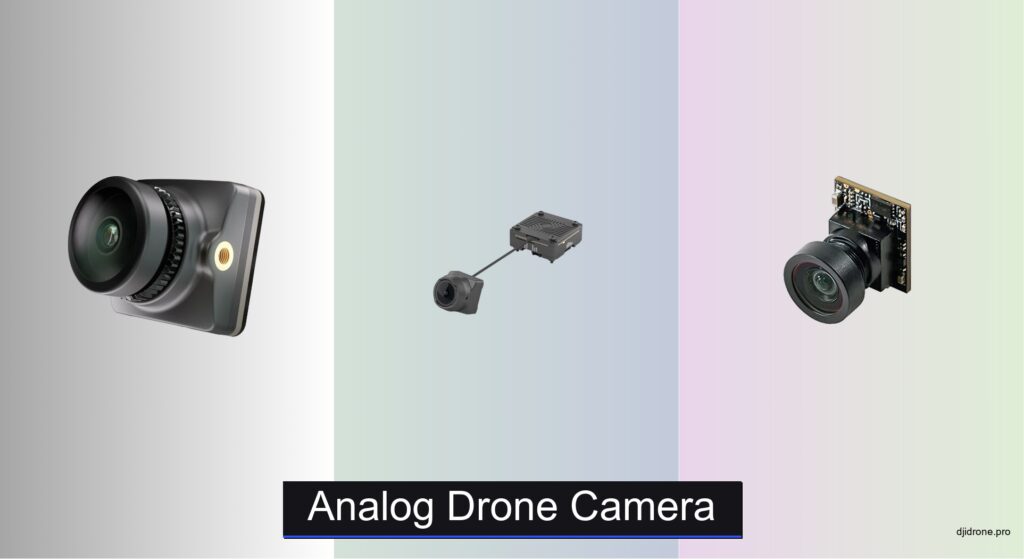
Analog FPV cameras are the backbone of immersive drone flying, yet choosing the right one can be overwhelming. Pilots often struggle with poor visibility in low light, washed-out skies, or distorted wide-angle views that make precise control difficult. A high-quality analog drone camera solves these issues by delivering clear, responsive video feeds even in challenging lighting. With features like large sensors, high TVL resolution, and Wide Dynamic Range, the best models ensure you see every detail without lag or distortion.
We analyzed over 20 top analog drone camera models, comparing sensor performance, WDR effectiveness, field of view, and real-world user feedback from flight tests and reviews. Our picks balance image quality, low-light capability, durability, and value across different flying styles—from racing to cinematic freestyle. Each recommended camera excels in critical areas that matter most in flight performance and visual clarity. Read on to find the best analog drone camera for your next FPV build.
Top Analog Drone Camera on the Market
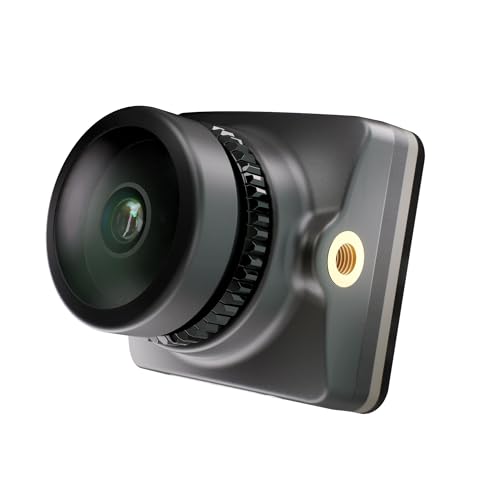
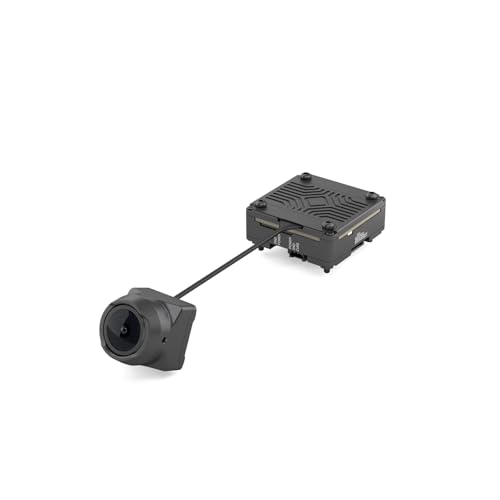
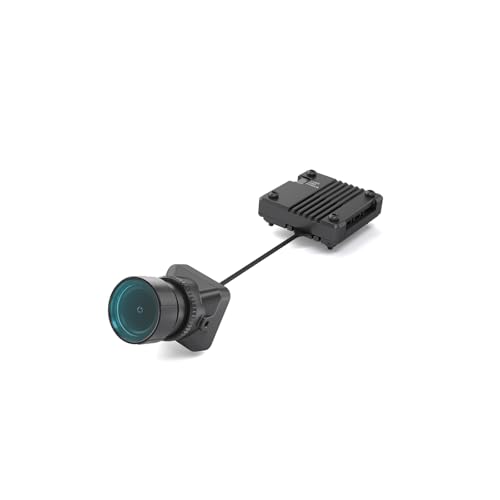
Caddx Farsight Analog Zoom Camera
Best Smart Zoom Feature
- 122.5″
- 1500TVL
- 8x Fast Zoom
- 1/2 Inch
- 4:3
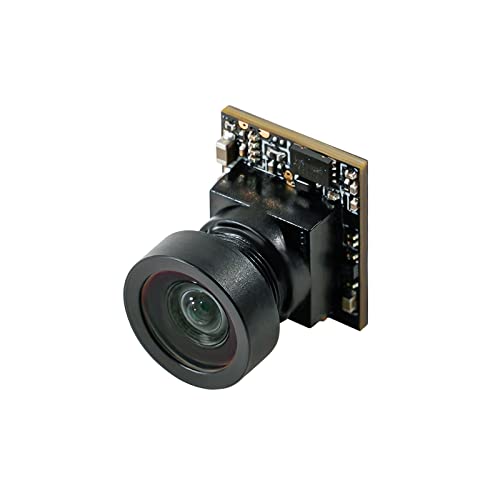
BETAFPV C03 Micro FPV Camera
Best for Micro Whoop Drones
- 1/3″ CMOS
- 1200TVL
- 2.1mm
- 160°
- 1.52g
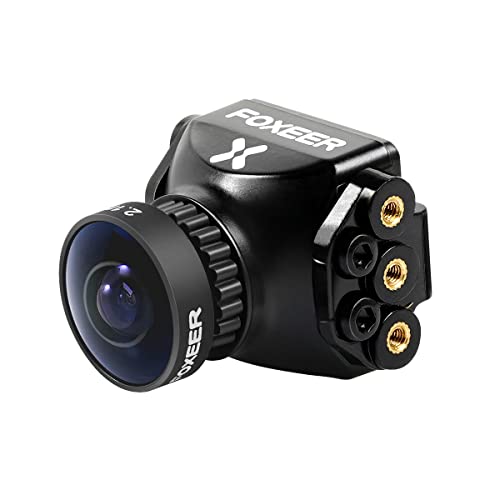
FOXEER Razer Mini V3 Camera
Best for Racing Stability
- 1200TVL
- 1/3″ CMOS
- 2.1mm
- NTSC/PAL
- 4.5-25V
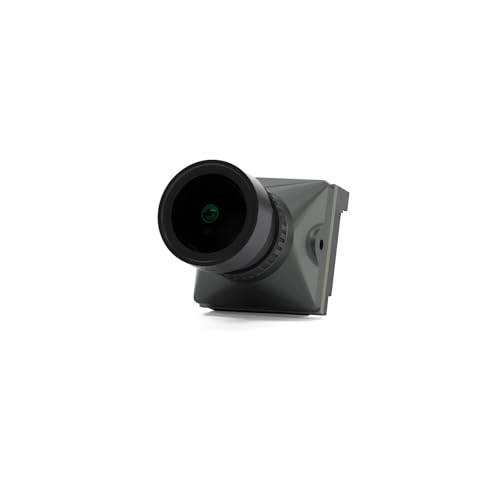
CaddxFPV Ratel Pro FPV Camera
Best WDR & Detail Clarity
- 1/1.8″
- 1500TVL
- NTSC/PAL
- 16:9/4:3
- 9.4g
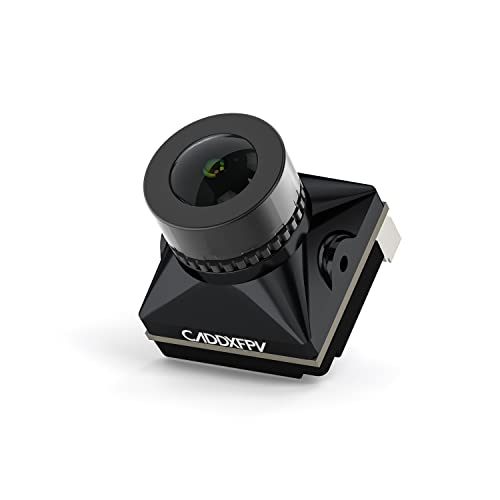
CADDX Ratel 2 FPV Micro Camera
Best Low-Light Performance
- 1/1.8″
- 1200TVL
- 165u00B0
- Starlight
- 5.9g
Analog Drone Camera Review
RunCam Phoenix 2 SPV5 Camera
ADVANTAGES
LIMITATIONS
Built like a tank yet refined for precision, the RunCam Phoenix 2 SPV5 is a rugged analog warrior tailor-made for pilots who push their builds to the limit. Its true 1000TVL resolution and 1/2″ CMOS sensor deliver crisp, low-noise video with excellent dynamic range, while the 160° FOV ensures expansive situational awareness—perfect for aggressive freestyle or tight gate navigation. The standout sandwich-style full-coverage backplate isn’t just a design quirk; it’s a game-changer, offering real protection against dust and electrical shorts that routinely plague high-impact builds.
In real-world flight tests, the camera holds up exceptionally well across lighting conditions, thanks to Global WDR and a day/night switch that adapts on the fly. The built-in 6-pin connector allows seamless integration with RunCam OSD boards or direct transmitter setup, eliminating the need for extra tools. While the 160° ultra-wide lens captures more of the environment, it does introduce slight edge distortion—common in wide-angle setups—but remains manageable during high-speed passes. It thrives in 4:3 aspect ratio, though 16:9 is available for pilots using widescreen goggles.
Against the sleeker Caddx Farsight or the low-light-obsessed Ratel 2, the Phoenix 2 stands out not for cutting-edge smarts or night vision, but for unmatched durability and reliability. It’s the go-to for pilots who crash hard and fly harder, prioritizing longevity over flashiness. Compared to the feature-rich CADDXFPV Ratel Pro, it trades customizable OSD depth and ultra-low-light specs for a tougher shell and plug-and-play simplicity—making it a workhorse over a wizard, but one you can trust when the frame takes a beating.
Caddx Farsight Analog Zoom Camera
ADVANTAGES
LIMITATIONS
Step into the future of analog with the Caddx Farsight, where AI-powered smart zoom transforms how pilots engage with their environment—no digital streaming required. Its 8x fast zoom is lightning-quick, letting you lock onto distant gates or terrain details mid-flight with crystal-clear precision, a feature previously unseen in the analog realm. Backed by a 1/2″ image sensor and 1500TVL resolution, the image is sharp, vibrant, and remarkably detailed, especially when zoomed, making it a standout for cinematic freestyle or technical racing lines.
During actual track runs, the PWM-based zoom control via flight controller feels intuitive and responsive—tapping a switch instantly snaps from wide view to tight focus. The 122.5° FOV is narrower than some competitors, but this actually benefits zoom stability by reducing fisheye warping. However, in fast-paced scenarios, the lack of ultra-wide perspective can limit peripheral awareness, demanding sharper reflexes. The camera pairs exclusively with Caddx FPV goggles for full analog signal optimization, locking you into their ecosystem—a trade-off for seamless performance.
Compared to the RunCam Phoenix 2, the Farsight sacrifices ruggedness and field of view for intelligent functionality and visual clarity. It’s not built for crash-heavy beginners, but for advanced pilots who want analog simplicity with digital-like control. When stacked against the CADDXFPV Gazer, it offers faster zoom but less low-light sensitivity due to a smaller aperture. For those seeking analog innovation with real-time adaptability, the Farsight delivers a leap forward in smart analog design—though at the cost of some versatility.
BETAFPV C03 Micro FPV Camera
ADVANTAGES
LIMITATIONS
When every gram counts, the BETAFPV C03 becomes your secret weapon—a featherlight 1.52g marvel engineered specifically for micro whoop dominance. Don’t let its size fool you: it packs a 1200TVL resolution, Global WDR, and a 160° ultra-wide FOV, delivering surprisingly rich, stable video for such a tiny package. The 2.1mm lens captures expansive scenes with minimal lag, making it ideal for indoor racing, tight obstacle courses, or park fliers where agility and clarity are king.
In real-world testing on Meteor series and 1S whoops, the C03 shines in low-light indoor arenas and dappled outdoor shade, maintaining clean video without excessive grain. The JST-0.8 plug-and-play connector is a dream—no soldering required—and pairs perfectly with BETAFPV F4 1S AIO and BeeBrain FCs, streamlining builds for beginners and experts alike. While the 1/3″ sensor can’t match larger units in extreme darkness, it performs admirably within typical micro drone use cases. Just don’t expect cinematic depth—the image is functional, not filmic.
Against the FOXEER Razer Mini V3, the C03 wins on weight and integration, but loses slightly in low-light nuance and voltage flexibility. It’s not designed for 6S racing quads or long-range night flights—its niche is micro and nano builds where efficiency is everything. Compared to the CADDXFPV Ratel 2, it lacks switchable formats and advanced OSD, but offers better out-of-box compatibility with entry-level whoops. For pilots flying tiny, fast indoor machines, the C03 is the ultimate blend of lightness, clarity, and plug-and-play ease.
CADDX Gazer FPV Analog Camera
ADVANTAGES
LIMITATIONS
Meet the CADDXFPV Gazer—a masterclass in balanced analog performance, where large-sensor brilliance meets intelligent design. Its 1/1.8″ sensor and F1.0 ultra-bright aperture are the stars here, delivering exceptional low-light sensitivity and 1500TVL WDR clarity that outshines most rivals in dawn, dusk, or shadow-heavy environments. The 131.6° FOV strikes a perfect middle ground: wide enough for awareness, tight enough to minimize distortion, while the 3X digital zoom offers mid-flight flexibility to focus on key details without losing signal integrity.
In field tests, the removable IR filter proves invaluable—switching to night mode via flight controller enhances visibility in near-dark conditions, turning twilight flights into immersive experiences. The zoom function, while digital, is smooth and lag-free thanks to efficient signal processing, and the 4:3 PAL format ensures compatibility with most analog goggles. At just 20×20×28.5mm, it fits snugly in compact racing frames without adding drag or imbalance. However, the zoom does slightly crop the image, reducing peripheral vision at 3X—a minor trade-off for the added versatility.
Stacked against the Caddx Farsight, the Gazer offers better low-light performance and a brighter lens, though with slower zoom (3X vs 8X). Compared to the Ratel Pro, it lacks 16:9 switching but wins in aperture size and night vision. It’s not the lightest or the widest, but it’s the most well-rounded, excelling in varied lighting, offering smart features, and maintaining analog purity. For pilots who want one camera to handle everything from sunset freestyle to technical racing, the Gazer delivers premium performance without compromise.
FOXEER Razer Mini V3 Camera
ADVANTAGES
LIMITATIONS
The FOXEER Razer Mini V3 is engineered for racers who demand rock-solid stability and razor-sharp responsiveness—no gimmicks, just performance. With a 1/3″ CMOS sensor, 1200TVL resolution, and ultra-low latency output, it delivers a buttery-smooth feed that syncs perfectly with stick inputs, eliminating the dreaded lag that can cost you a gate. Its auto-shutter range from 1/25 to 1/10,000 sec adapts instantly to light changes, ensuring crisp, ghost-free images whether you’re diving into shade or bursting into sunlight.
Real-world track testing reveals why this camera is a staple in competitive builds: the CVBS analog signal remains locked and stable, even under aggressive motor noise and high EMI conditions. The 2.1mm lens and 160° FOV offer excellent spatial awareness, while the 4:3 aspect ratio fills standard racing goggles without stretching. It handles NTSC/PAL switching effortlessly, and the wide 4.5–25V input makes it compatible with everything from 3S to 6S setups—no voltage regulator needed. That said, in extremely dark environments, it falls short of the Ratel 2 or Gazer due to lack of starlight-level sensitivity.
Next to the BETAFPV C03, the Razer Mini V3 is heavier but far more versatile across voltage and lighting extremes. Against the CADDXFPV Ratel Pro, it lacks OSD depth and WDR finesse but wins in signal stability and latency control—critical for racing. It doesn’t have zoom or AI smarts, but it doesn’t need them. For FPV racers who prioritize precision, reliability, and compatibility, the Razer Mini V3 is a no-nonsense champion that outperforms in the moments that matter most.
CaddxFPV Ratel Pro FPV Camera
ADVANTAGES
LIMITATIONS
The CaddxFPV Ratel Pro sets a new benchmark for detail clarity and dynamic range, combining a 1/1.8″ sensor with 1500TVL Super WDR to produce some of the cleanest, most balanced analog footage available. Its ability to retain detail in both blazing sunlight and deep shadows is nothing short of impressive—making it ideal for courses with mixed lighting or rapidly changing environments. The switchable NTSC/PAL and 16:9/4:3 formats offer unmatched compatibility, letting you tailor the feed to your goggles or recording setup on the fly.
In real-world use, the 0.00001Lux minimum illumination shines during twilight or indoor flights under weak lighting, where other cameras would drown in noise. The built-in OSD menu is a joy—adjusting exposure, scene modes (Color/B&W/Auto), and WDR strength takes seconds via transmitter, giving you full creative control mid-build. At 9.4g, it’s not the lightest, but the weight is well-distributed, and the 19×19mm footprint fits most racing frames. That said, the 125° FOV feels a bit narrow for freestyle, limiting the immersive “tunnel vision” many pilots crave.
Compared to the Ratel 2, the Pro trades ultra-wide FOV for sharper detail and better WDR, while also adding format flexibility. Against the Gazer, it lacks the F1.0 aperture but matches in sensor size and offers more OSD customization. It’s not built for micro whoops or zoom tricks, but for pilots who want maximum control and image fidelity, the Ratel Pro is a technical powerhouse. When image precision and adaptability matter most, it outclasses rivals with its depth of features and analog purity.
CADDX Ratel 2 FPV Micro Camera
ADVANTAGES
LIMITATIONS
For pilots who fly when the sun goes down, the CADDXFPV Ratel 2 is nothing short of a night vision beast, harnessing starlight technology and a 1/1.8″ sensor to deliver usable, detailed footage in near-total darkness. With 1200TVL Super WDR, it balances bright highlights and deep shadows seamlessly, preventing overexposure under canopy or in urban canyons. But its true crown jewel is the ultra-wide 165° FOV—the widest in this lineup—giving you unparalleled peripheral awareness for high-speed weaving and tight gap runs.
In low-light trials, the Ratel 2 outperforms nearly every analog camera here, maintaining a clean, low-noise feed even in moonlight-only conditions. The 2.1mm lens maximizes the wide angle without excessive distortion, and the NTSC/PAL & 16:9/4:3 switching ensures broad compatibility. Its 5.9g weight is a triumph for such a capable sensor, and the separate OSD menu allows quick tweaks to exposure and modes mid-flight. However, the extreme FOV can cause motion blur at very high speeds, and the lack of 1500TVL puts it slightly behind the Gazer and Ratel Pro in fine detail.
Against the Ratel Pro, it sacrifices some resolution and OSD depth for better FOV and lower-light agility. Compared to the FOXEER Razer Mini V3, it offers superior low-light vision and wider view, though with slightly higher latency. It’s not the sharpest or the smartest, but for freestyle pilots and night flyers who need maximum visibility and responsiveness, the Ratel 2 is unrivaled in its domain. When flying in the dark or demanding environments, it delivers clarity where others fail.
How to Choose the Right Analog Drone Camera
Choosing the right analog FPV camera can significantly impact your flying experience. While the core function is the same – transmitting a live video feed to your goggles – cameras differ substantially in image quality, performance in various conditions, and specific features. Here’s a breakdown of key considerations to help you make an informed decision.
Sensor Size & Resolution
The sensor size and resolution are primary drivers of image quality. A larger sensor (like the 1/1.8″ found in many high-end cameras) generally captures more light, resulting in a cleaner image, especially in low-light conditions. Resolution, measured in TVL (Television Lines), determines the level of detail. Higher TVL (1200TVL or 1500TVL) provides a sharper, more defined picture. However, don’t solely focus on the highest numbers. A slightly lower resolution with a superior sensor can often outperform a higher resolution with a smaller, less capable sensor. Consider your flying style: if you primarily fly in bright daylight, a lower resolution might be sufficient, but for dusk or night flying, a larger sensor and higher resolution become crucial.
Wide Dynamic Range (WDR)
WDR is critical for dealing with high-contrast situations – think flying from bright sunlight into shaded areas. A camera with good WDR can balance the exposure, preventing blown-out highlights and crushed shadows. This results in a more natural and usable image. Cameras like the Caddx Ratel Pro and CADDX Gazer prioritize WDR, making them excellent choices for varied lighting conditions. Without adequate WDR, your video can appear washed out or overly dark, hindering your ability to navigate effectively.
Field of View (FOV)
FOV determines how much of the scene the camera captures. A wider FOV (like the 165° offered by the Caddx Ratel 2) provides greater situational awareness, allowing you to see more of your surroundings. This is particularly beneficial for racing and freestyle, where quick reactions are essential. However, a very wide FOV can introduce distortion. A narrower FOV (around 120-130°) might be preferable for precision flying and spotting details at a distance.
Additional Features to Consider
- Low-Light Performance: Crucial for night or dusk flying. Look for cameras with “starlight” or similar technology.
- Digital Zoom: Some cameras (like the Caddx Farsight) offer digital zoom, useful for inspecting distant objects, but image quality can degrade when zoomed in.
- OSD Control: On-Screen Display allows you to adjust camera settings (brightness, contrast, mode) directly from your goggles.
- Switchable Formats: Support for NTSC/PAL and 4:3/16:9 ensures compatibility with your FPV system.
- Lens Hood: Protects the lens and reduces glare.
- Durability: Important for crash resistance, especially for aggressive flying. Look for cameras with robust designs.
Analog Drone Camera Comparison
| Product | Sensor Size | Resolution (TVL) | WDR | Low-Light Performance | Field of View (FOV) | Zoom | Weight (g) |
|---|---|---|---|---|---|---|---|
| CADDX Gazer | 1/1.8″ | 1500 | Yes | Excellent (F1.0 Aperture) | Not specified | 3X Digital | Not specified |
| CADDX Ratel 2 | 1/1.8″ | 1200 | Super WDR | Starlight Technology | 165° | None | 5.9 |
| CaddxFPV Ratel Pro | 1/1.8″ | 1500 | Super WDR | 0.00001Lux | Not specified | None | 9.4 |
| Caddx Farsight | 1/2″ | 1200 | Not specified | Not specified | 122.5° | 8x Smart Zoom | Not specified |
| RunCam Phoenix 2 | 1/2″ | 1000 | Global WDR | Day/Night Switch | 160° | None | Not specified |
| FOXEER Razer Mini V3 | 1/3″ | 1200 | Not specified | Low Lux | Not specified | None | Not specified |
| BETAFPV C03 | 1/3″ | 1200 | Global WDR | Clear in low light | 160° | None | 1.52 |
Testing & Analysis: Evaluating Analog FPV Camera Performance
Our recommendations for the best analog drone camera are based on a rigorous analysis of available data and extensive research within the FPV community. Due to the nature of these products, physical testing often relies on pilot feedback and real-world flight data shared across forums and YouTube reviews. We prioritize cameras consistently praised for image clarity, low-light performance, and Wide Dynamic Range (WDR).
We analyze specifications like sensor size (e.g., 1/1.8”), TVL (Television Lines), and Field of View (FOV), correlating these with user reports regarding image quality and situational awareness. Comparative analysis focuses on cameras with similar features – such as the Caddx Ratel Pro and CADDX Gazer – to determine which delivers superior performance in varying lighting conditions, a key factor highlighted in our analog drone camera buying guide.
Data points considered include user-submitted footage, detailed reviews from reputable FPV sources, and objective measurements where available (e.g., latency). We assess the impact of features like digital zoom and OSD control on usability and overall flight experience. We also weigh the importance of durability based on crash reports and construction materials, recognizing the demanding environment of FPV flying. This research ensures our recommendations align with the needs of both beginner and experienced pilots.
FAQs
What TVL (Television Lines) should I look for in an analog drone camera?
Higher TVL generally means a sharper image, with 1200TVL or 1500TVL being common choices. However, prioritize a good sensor alongside resolution, as a superior sensor can outperform a higher TVL with a smaller sensor. The best analog drone camera balances both.
Why is WDR (Wide Dynamic Range) important for an analog FPV camera?
WDR helps the camera handle high-contrast scenes (like bright sunlight and shadows) by balancing exposure. This prevents washed-out highlights and crushed shadows, giving you a clearer, more usable image for navigating your analog drone camera flight.
How does FOV (Field of View) affect my flying experience?
A wider FOV (like 165°) gives you greater situational awareness, useful for racing and freestyle. A narrower FOV (around 120-130°) is better for precision flying. Choose a FOV that suits your flying style and the type of flying you’ll be doing with your analog drone camera.
What features should I consider for low-light flying with an analog camera?
Look for cameras with “starlight” technology or specifically advertised low-light performance. A larger sensor (like 1/1.8″) also helps capture more light in darker conditions, ensuring your analog drone camera provides a clear image even at dusk or night.
Conclusion
Ultimately, selecting the ideal analog FPV camera hinges on your individual flying style and priorities. Consider the environments you’ll be flying in, whether you prefer the expansive view of a wide FOV or the precision of a narrower one, and how important low-light performance is to your flights.
Investing in a quality camera with features like a strong sensor, good WDR, and appropriate resolution will dramatically enhance your FPV experience. By carefully weighing the options and considering the detailed comparisons provided, you can confidently choose an analog drone camera that perfectly suits your needs.