Radio-controlled cars come in an incredible variety of designs, each engineered for specific terrains, driving styles, and performance goals. Whether you’re drawn to slow, methodical rock climbing or blistering high-speed racing, understanding the distinct RC car types available helps you make an informed purchase decision. The RC hobby offers everything from miniature crawlers that navigate boulders to massive 80 MPH bashers that devour pavement. This comprehensive guide examines the seven primary RC car categories, breaking down their unique characteristics, capabilities, and ideal use cases so you can find the perfect vehicle for your needs. Knowing the different types of RC cars ensures you select a model that matches your driving environment and performance expectations.
Rock Crawlers: Conquer Extreme Terrain
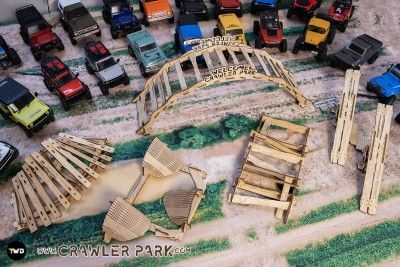
Rock crawlers represent one of the most specialized categories in radio-controlled vehicles, purpose-built for navigating nearly impassable terrain with remarkable articulation and grip. These machines prioritize low-speed torque and wheel movement over straight-line speed, featuring multi-link suspension systems, locked differentials, and aggressive tire tread patterns that bite into rocky surfaces. When you need a vehicle that can slowly and deliberately climb over boulders, logs, and steep inclines without losing momentum, a rock crawler delivers capabilities that no other RC category can match.
Scale Options for Every Budget
The rock crawler market spans from pocket-sized 1/24 models to impressive 1/6 scale giants. The Axial SCX24 series stands as the most accessible entry point, featuring licensed body styles including the 1967 Chevrolet C10, Ford Bronco, Jeep Wrangler, and Toyota 4Runner. These compact crawlers typically cost between $99.99 and $159.99, accept 2S batteries, and use brushed power systems that provide the linear throttle response essential for precise control during technical climbs. For enthusiasts seeking maximum capability and realism, the Axial SCX6 platform delivers with vehicles like the Jeep JLU Wrangler 4X4 and Trail Honcho, priced around $999.99 and compatible with 3S batteries for additional torque and performance.
Power Systems and Performance Characteristics
Rock crawlers predominantly use brushed motors due to their predictable power delivery and ease of control at low speeds. The direct relationship between throttle input and wheel movement allows drivers to make minute adjustments when navigating tricky obstacles. While brushless options exist for enthusiasts seeking more power, the inherent controllability of brushed systems makes them the preferred choice for learning fundamentals and tackling challenging terrain. Tire selection significantly impacts performance, with aggressive tread patterns and softer compounds providing superior grip on rock surfaces at the cost of increased rolling resistance on flatter ground.
High-Speed Buggies for Racing
RC buggies deliver pure performance for dirt and clay racing surfaces, featuring lightweight construction, independent suspension systems, and aerodynamic body designs that prioritize speed and handling precision. Unlike the deliberate pace of rock crawlers, buggies exist to go fast, with suspension tunings optimized for maintaining traction through high-speed corners and jumps. If competitive racing or open-field bashing appeals to you, buggies provide the responsiveness and velocity that define the exciting side of the RC hobby.
Racing-Grade Platforms
The Team Losi Racing 22X-4 2.0 represents the premier racing buggy category, available in Dirt/Clay and Astro/Carpet configurations priced at $579.99 and $599.99 respectively. These race kits arrive unassembled, allowing enthusiasts to customize every component while providing a platform optimized for competitive racing. Compatible with 2S batteries and featuring 4X4 drivetrains, these buggies deliver the traction needed for aggressive racing surfaces. For those seeking brushless performance in a smaller package, the ARRMA TYPHON GROM 223S in 1/14 scale offers impressive capabilities at $209.99, exceeding 50 MPH while accepting both 2S and 3S battery configurations.
Monster Trucks: Maximum Size and Jump Power

Monster trucks occupy the extreme end of RC vehicle design, featuring massive ground clearance, oversized tires, and suspension systems capable of handling enormous jumps and rough terrain. These machines combine genuine durability for bashing sessions with visual impact that mirrors their full-scale inspirations, creating vehicles that look as impressive as they perform. When you want to launch off ramps, clear obstacles, and dominate the neighborhood track with sheer presence, monster trucks deliver an experience no other RC category can replicate.
Scale and Performance Considerations
The monster truck category shares DNA with truggies but typically features more extreme styling and larger tire diameters relative to chassis size. Enthusiasts typically gravitate toward 1/8 and 1/10 scale platforms, which offer the physical presence and suspension travel necessary to capture the full-scale monster truck experience. These vehicles accept the abuse of aggressive bashing sessions while maintaining the visual character that makes monster trucks so appealing. The combination of big tires and long suspension travel allows these trucks to absorb impacts that would destroy smaller vehicles, making them ideal for beginners learning to drive aggressively.
On-Road RC Cars for Speed
On-road vehicles, sometimes called street bashers, are designed specifically for high-speed performance on smooth surfaces including pavement, asphalt, and prepared race tracks. These machines feature low ground clearance, aerodynamic body designs, and tire compounds optimized for reduced rolling resistance and maximum grip on smooth surfaces. If your primary driving environment involves parking lots, smooth trails, or dedicated race tracks, on-road vehicles unlock performance potential that off-road categories simply cannot achieve.
High-Performance Street Machines
The ARRMA FELONY exemplifies the on-road category, with the 1/7 scale model priced at $699.99 and capable of exceeding 80 MPH when running 6S battery configurations. This vehicle features AVC stability technology for controlled high-speed driving, a robust 4X4 drivetrain, and brushless power systems optimized for straight-line speed and cornering stability. For racing-focused applications, the NASCAR RCR No. 3 GM Goodwrench offers AWD capability in 1/12 scale at $199.99, reaching speeds exceeding 20 MPH with 2S battery compatibility and brushed power delivery.
Short Course Trucks: Versatile Performance
Short course trucks blend elements of full-scale short course racing with accessible RC performance, featuring enclosed wheel designs, moderate ground clearance, and suspension systems capable of handling both racing applications and recreational bashing. The enclosed wheel design with fender flares provides protection from debris while maintaining the visual character of full-scale inspirations. If you want a vehicle that can race competitively on Saturday and bash aggressively on Sunday without switching platforms, short course trucks deliver remarkable versatility.
Popular Short Course Options
The ARRMA FURY DSC 223S represents an excellent example of the category, with the 1/10 scale model priced at $249.99 and featuring brushless power, 2S/3S battery compatibility, 2WD drivetrain, and speeds exceeding 50 MPH. This combination of accessible pricing, brushless performance, and versatile battery compatibility makes short course trucks appealing to enthusiasts seeking one vehicle that handles multiple applications. The category strikes a balance between the extreme specialization of dedicated racing buggies and the all-terrain capability of larger vehicles.
Truggies: Hybrid All-Terrain Machines
Truggies occupy a hybrid category combining buggy speed with monster truck durability, featuring larger tire diameters than buggies while maintaining more aggressive suspension tuning than standard monster trucks. These vehicles excel in all-terrain applications where drivers need buggy-style speed combined with the traction and durability of larger platforms. When your driving involves everything from open fields to technical trails, truggies provide the versatility to handle diverse conditions without compromise.
Performance Characteristics
Truggies typically feature 4X4 drivetrains and brushless power systems, making them popular choices for high-speed bashing across varied terrain conditions. The larger tires provide increased ground clearance and obstacle-clearing ability compared to buggies, while the suspension tuning maintains the responsive handling that makes buggies so enjoyable. This combination creates vehicles that feel comfortable on both race tracks and trails, appealing to enthusiasts who refuse to limit themselves to a single driving environment.
RC Car Scale Sizes Explained
Understanding scale sizes helps you select a vehicle that matches your storage space, portability needs, and performance expectations. Scale indicates the ratio between the model and its full-scale counterpart, with smaller scales offering portability and lower cost while larger scales provide more detail, capability, and realistic presence.
Scale Range Overview
The 1/24 scale vehicles, exemplified by the Axial SCX24 series, provide the most accessible entry point for beginners, starting at $99.99 while maintaining sufficient performance for learning fundamentals. These compact vehicles fit easily in backpacks and can be driven indoors. Mid-range 1/10 scale vehicles represent the most popular category for serious enthusiasts, offering an ideal balance of performance, parts availability, and pricing, with options spanning from $249.99 to $599.99. Large-scale vehicles in the 1/6 and 1/7 categories command premium pricing from $699.99 to $999.99 but provide unmatched capability, realism, and performance.
Power Systems: Brushed Versus Brushless
.png?width=1024&height=768&name=Brushed%20vs%20brushless%20motors%20comparison%20chart%20(Canva).png)
Power systems fundamentally affect vehicle performance, maintenance requirements, and overall cost. Understanding the differences between brushed and brushless systems helps you select a vehicle that matches your performance goals and budget constraints.
Brushed Motor Characteristics
Brushed motors utilize mechanical commutation with carbon brushes, offering linear power delivery, simplicity, and cost-effectiveness. These motors provide predictable throttle response that benefits beginners learning control fundamentals. Brushed vehicles typically occupy the entry-level price range from $99.99 to $159.99 for smaller scales, making them accessible for newcomers to the hobby.
Brushless Motor Advantages
Brushless motors deliver higher efficiency, greater power density, and extended longevity compared to brushed alternatives, though at significantly higher prices ranging from $209.99 to $999.99 across all scale categories. For enthusiasts seeking maximum performance, brushless systems provide the power needed to achieve 50+ MPH speeds and tackle challenging terrain that brushed vehicles cannot handle.
Price Ranges for Every Budget
The RC vehicle market spans a broad price spectrum, ensuring that enthusiasts at every budget level can find a capable vehicle that meets their needs. Understanding where different vehicle categories fall within this spectrum helps you allocate your budget effectively.
Entry-Level Options
Entry-level rock crawlers and micro vehicles in the 1/24 to 1/30 scale range provide accessible entry points starting at $99.99 while maintaining genuine RC capability. The Axial SCX30 series featuring Chevrolet K10, Ford Bronco, and Jeep Wrangler body styles exemplifies this category, delivering quality construction and scale realism at budget-friendly prices.
Premium Large-Scale Vehicles
Premium large-scale vehicles in the $700 to $1,000 range, including the ARRMA FELONY 6S, Losi Super Baja Rey, and Axial SCX6 platforms, offer unmatched scale, performance, and realism for enthusiasts willing to invest in top-tier equipment. These vehicles provide capabilities that smaller platforms simply cannot match, from 80+ MPH top speeds to genuine rock-crawling articulation.
Top RC Car Brands Worth Considering
Several prominent brands dominate the RC market, each with distinctive product families targeting specific enthusiast segments. Understanding brand strengths helps you narrow selections based on your intended applications.
Axial Racing for Crawling
Axial Racing specializes exclusively in rock crawling and trail vehicles, with the SCX24, SCX30, SCX10 III, and SCX6 platforms spanning from micro to large-scale applications. If rock crawling represents your primary interest, Axial offers the most comprehensive product range and the deepest expertise in this specialized category.
ARRMA for High-Performance Bashing
ARRMA offers high-performance bashers and racing vehicles across multiple scales, with the KRATON, FELONY, TYPHON, MOJAVE, and FURY families representing various configurations from compact GROM models to massive EXB platforms. These vehicles consistently deliver strong performance for the price, with brushless power and 4X4 drivetrains as standard features across most of the product line.
Choosing Your First RC Car
Selecting your first RC car requires balancing multiple factors including intended use, budget, scale preferences, and performance expectations. Consider your primary driving environment first, as this dramatically narrows the appropriate vehicle categories. Your budget affects not only the initial purchase but also long-term ownership costs including replacement parts, batteries, and maintenance. Scale selection impacts portability, storage requirements, and performance capability simultaneously.
The different types of RC cars each deliver distinct experiences tailored to specific applications and enthusiast preferences. By understanding these categories and their unique characteristics, you can confidently select an RC car that matches your driving environment, performance expectations, and budget, launching an enjoyable hobby that provides years of entertainment and skill development.