
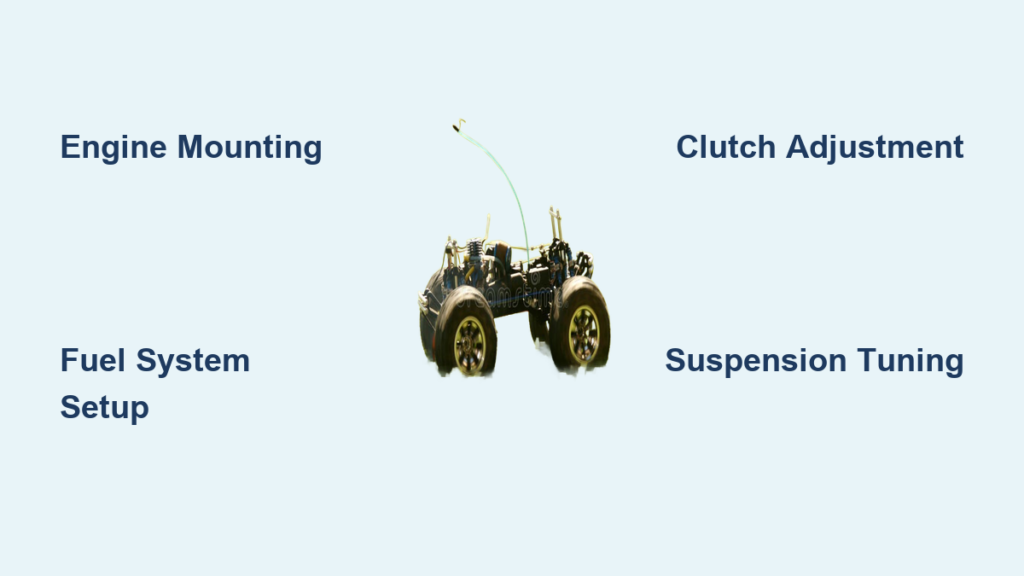
There’s nothing quite like the throaty roar of a nitro-powered RC car tearing across the track. Building your own nitro RC car from scratch delivers unmatched satisfaction compared to purchasing a ready-to-run model. When you assemble every component yourself, you develop intimate knowledge of how the engine breathes, how the drivetrain transfers power, and how suspension geometry affects handling. This hands-on experience transforms you from a casual operator into a true RC mechanic who can diagnose problems and optimize performance on the fly.
Constructing a nitro RC car typically requires 15-30 hours of focused work, depending on your mechanical skills and attention to detail. Unlike electric RC vehicles that simply need charged batteries, nitro models involve precision assembly of complex mechanical systems that must work in perfect harmony. This guide walks you through every critical step of building a nitro RC car from the ground up, helping you avoid common pitfalls that can lead to engine damage or poor performance. Whether you’re upgrading from electric models or starting your first nitro project, you’ll gain the confidence to create a high-performance machine that reflects your personal style and driving preferences.
Essential Nitro RC Components You Must Source

Before assembling your nitro RC car, you need to understand the five critical systems that must work together seamlessly. The engine and fuel system forms the powerplant, while the drivetrain and chassis provides the foundation. Your exhaust system tunes performance characteristics, the radio and electronics deliver control, and the tires and suspension determine how power translates to the ground.
Choosing the Right Nitro Engine for Your Skill Level
Selecting your engine requires careful consideration of three factors: your experience, chassis specifications, and performance goals. Beginners should start with a .15 to .18ci engine with a pull-start system that’s forgiving of tuning mistakes. Experienced builders often choose .21ci or larger engines with slide carburetors for maximum power and advanced tuning capabilities. Brands like OS Engines, Novarossi, and Picco produce reliable options, but always verify compatibility with your chosen chassis before purchasing.
Building a Stable Chassis Foundation
Your chassis serves as the structural backbone for all other components. Most builders purchase complete chassis kits from manufacturers like Kyosho, HPI, or Traxxas that include detailed instructions and most necessary hardware. These kits provide the ideal balance of customization and ease-of-assembly for first-time builders. Custom chassis builds using aluminum plates offer ultimate flexibility but require significant fabrication skills and precision measurement tools to ensure proper alignment.
Critical Tools Every Nitro RC Builder Needs
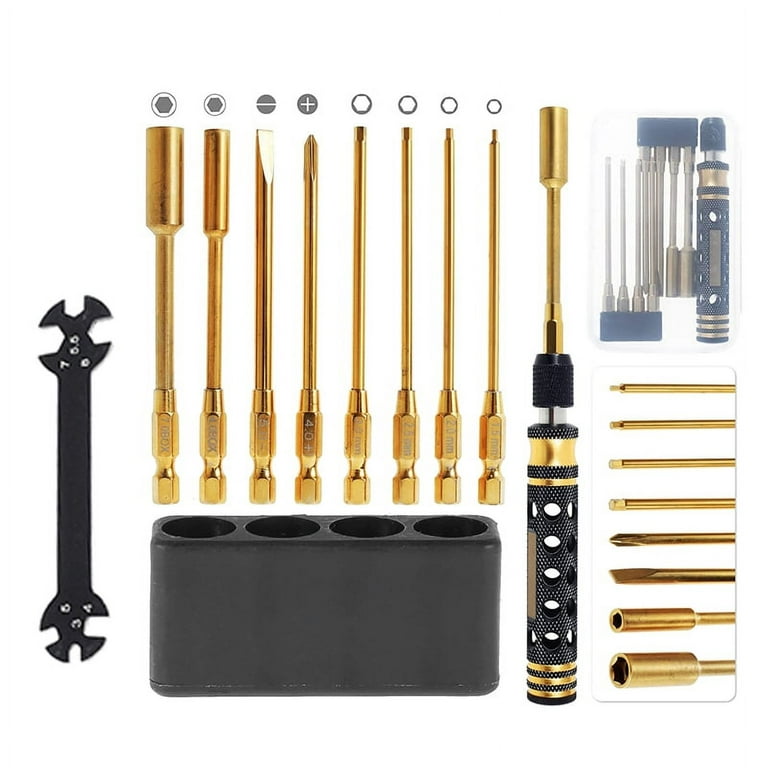
Proper tool selection separates successful builds from frustrating failures. Nitro RC construction demands both precision measuring tools and mechanical implements specifically designed for small-scale engineering.
Must-Have Mechanical Tools for Assembly
You’ll need a complete hex key set (both metric and standard), needle-nose pliers, wire cutters, and quality screwdrivers with interchangeable tips. A torque screwdriver that measures in inch-pounds proves essential for tightening engine screws to manufacturer specifications—overtightening cracks cases while undertightening causes vibration damage. Never attempt assembly without these fundamental tools.
Specialized Engine-Building Equipment
Engine work requires specialized tools that many beginners overlook. A glow plug wrench, piston stop tool, flywheel holder, and clutch shoe press aren’t optional—they prevent damaged components during critical assembly steps. Invest in a digital caliper measuring to 0.01mm precision to verify component tolerances. Attempting engine assembly without these tools almost guarantees problems that compound during operation.
Installing Your Nitro Engine Properly
Engine installation represents the most critical phase of your nitro RC build. Proper mounting ensures reliable performance and prevents vibration damage that can ruin other components.
Perfect Engine Mounting Technique
Position your engine so the clutch bell aligns perfectly with your transmission input shaft. Hand-tighten all mounting screws before using a torque wrench to achieve manufacturer specifications—typically 12-18 inch-pounds for most nitro engines. Check alignment by rotating the flywheel; it should turn freely without binding. Recheck torque settings after your first few running sessions as components settle.
Fuel System Configuration That Prevents Failures
Your fuel system must deliver consistent mixture without leaks or air bubbles. Install the fuel tank using rubber grommets that absorb vibration and prevent cracking. Route fuel lines away from heat sources and sharp edges, ensuring no kinks restrict flow. Always install a fuel filter between tank and carburetor to catch debris that could clog jets. Test for leaks by pressurizing the tank with air before engine installation.
Drivetrain Assembly for Maximum Power Transfer

The drivetrain transfers engine power to the wheels through multiple precision components that must work in perfect harmony. Proper assembly prevents power loss and premature wear.
Differential Setup That Optimizes Handling
Differential assembly often challenges beginners but dramatically affects driving characteristics. Open differentials allow wheels to rotate at different speeds during turns, while locked differentials provide maximum forward traction. Fill differentials with the correct viscosity fluid—thicker oil (50,000-100,000 cSt) creates a tighter differential for more aggressive power transfer, while thinner oil (30,000-50,000 cSt) allows more wheel slip.
Clutch Adjustment for Smooth Power Delivery
Clutch adjustment determines when engine power transfers to the drivetrain. Set engagement around 4,000-5,000 RPM for most applications by adjusting shoe springs. Test engagement by holding the chassis while applying throttle—wheels should begin spinning smoothly without jerking. Proper clutch setup prevents stalling during acceleration and reduces drivetrain shock.
Radio System Installation for Reliable Control
Modern nitro RC cars require reliable radio systems with at least two channels for throttle and steering control. Proper installation prevents signal loss that could cause crashes.
Servo Linkage Setup That Ensures Precision
Connect your steering servo to the linkage using the provided servo horn and hardware. Position the horn perpendicular to the steering arm when wheels are centered. For throttle linkage, adjust pushrod length so the carburetor opens fully at maximum throttle without binding. Test both systems through full travel range before engine installation to verify smooth operation.
Suspension Tuning for Optimal Handling
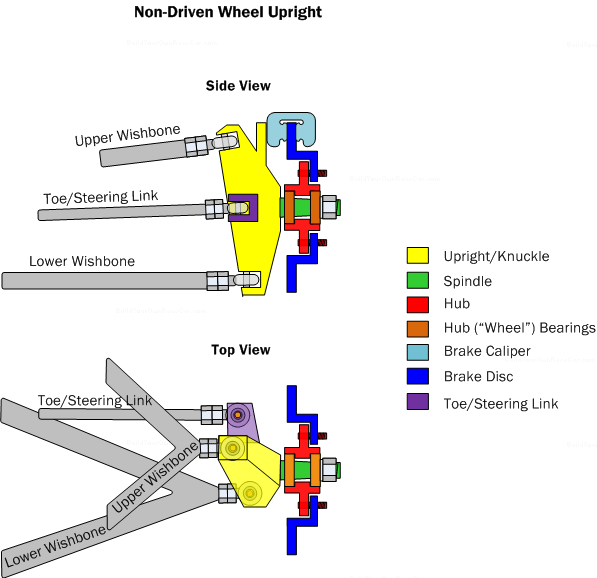
Suspension geometry affects handling more than any other component. Proper setup creates the foundation for predictable cornering and stable acceleration.
Shock Assembly and Oil Selection
Fill shocks with silicone oil at recommended viscosity—typically 30-50wt for most track conditions. Higher viscosity oil (60wt+) provides stiffer damping for high-speed stability, while lower viscosity (20-30wt) offers more responsive handling on bumpy surfaces. Set shock mounting positions according to intended track conditions—inner holes provide more stability, outer holes increase responsiveness.
Toe and Camber Settings for Maximum Grip
Use a digital camber gauge to set 2-4 degrees of negative camber on all wheels for optimal tire contact during cornering. Set front toe-in at 2-4 degrees for stability and rear toe-out at 0-2 degrees for better corner exit traction. Record your baseline settings so you can systematically adjust them as you tune handling characteristics.
Essential Safety Practices for Nitro RC Builders
Nitro RC cars involve real hazards that require respect and proper precautions. The engine reaches temperatures exceeding 300°F during operation—never touch the header, muffler, or engine during or immediately after running. Always wear safety glasses when starting the engine, and keep fingers clear of rotating components.
Safe Fuel Handling Procedures
Nitro methane is highly flammable and methanol absorbs through skin. Wear nitrile gloves when handling fuel, work in well-ventilated areas, and store fuel in approved containers away from heat sources. Never refuel near open flames or sparks, and keep a Class B fire extinguisher accessible in your workspace. Clean spills immediately with appropriate absorbent materials.
Critical Maintenance Schedule for Longevity
Regular maintenance extends your nitro RC car’s life and maintains consistent performance. After each running session, empty the fuel tank and run the engine dry to prevent fuel residue from varnishing internal components. Clean or replace the air filter after every 3-5 tanks of fuel.
Weekly and Monthly Maintenance Checklist
Weekly maintenance includes checking all fasteners for tightness, inspecting the air filter condition, and verifying fuel line integrity. Monthly maintenance involves checking connecting rod and piston wear using a feeler gauge, inspecting bearings for roughness, and replacing the fuel filter. An annual engine rebuild with fresh bearings, piston rings, and glow plugs keeps your nitro RC car performing like new.
Building a nitro RC car teaches mechanical skills that extend far beyond the hobby itself. The precision required in engine assembly, understanding of fuel mixtures, and patience needed for break-in and tuning all translate to valuable real-world knowledge. While your first build may take longer than expected and you’ll likely encounter challenges, each problem solved makes you a more capable builder and more confident hobbyist. The satisfaction of hearing your self-assembled nitro RC car roar to life makes every careful step of the build process worthwhile.