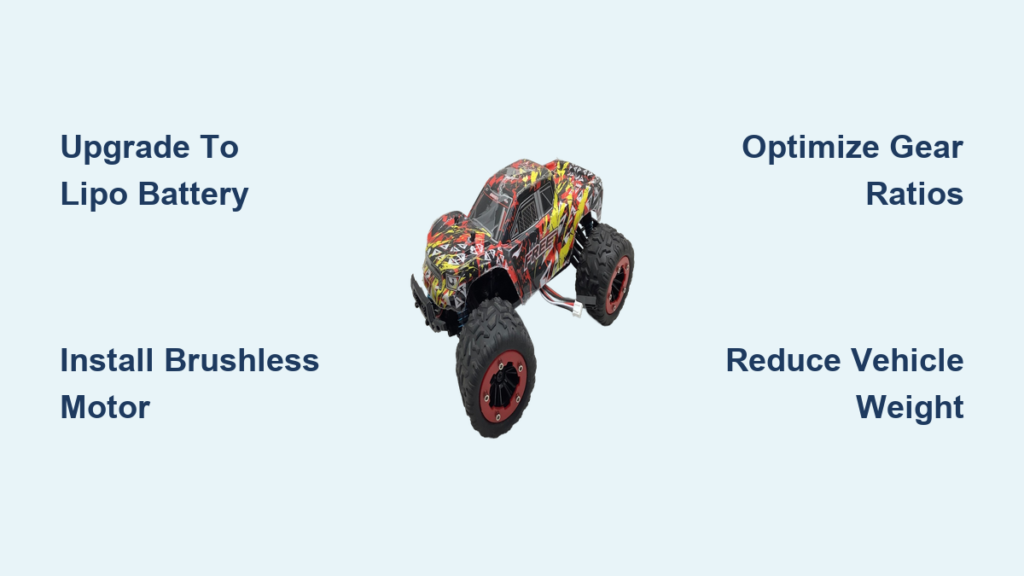
Your budget RC car probably feels sluggish right out of the box, struggling to keep up with more expensive models at the track or in your backyard. That frustrating sensation when your vehicle lags behind while others zip past is exactly why thousands of hobbyists search “how to make a cheap rc car faster” every month. The good news is that factory-standard components in entry-level RC cars prioritize durability over speed, leaving tremendous untapped potential in even the most affordable models. By strategically addressing key performance limitations, you can transform your slow starter vehicle into a legitimate speed machine without spending a fortune.
Making a cheap RC car faster isn’t about one magic upgrade—it’s a systematic approach targeting the specific bottlenecks built into budget models. Stock components are deliberately conservative to minimize warranty claims and withstand beginner mistakes, which means your vehicle is operating far below its theoretical capabilities. This guide reveals exactly which modifications deliver the most significant speed gains for your dollar, explaining why each upgrade matters and how to implement it correctly for maximum results. You’ll discover how to boost acceleration, increase top speed, and dramatically improve overall driving excitement—all while staying within a reasonable budget.
Upgrade Your RC Battery System
The battery is the heart of your RC car’s power delivery system, and upgrading this single component often provides the most noticeable improvement in overall performance. Stock batteries in budget RC cars are typically NiMH packs designed for safety and longevity rather than power output. These batteries deliver modest voltage under load, which means your motor never gets to showcase its true potential. Making this upgrade first establishes the foundation for all other performance modifications.
Switch from NiMH to LiPo Batteries
Transitioning from Nickel-Metal Hydride (NiMH) to Lithium Polymer (LiPo) batteries represents the single most impactful upgrade for any budget RC car. LiPo batteries deliver higher voltage throughout their discharge cycle while weighing significantly less than equivalent NiMH packs. A fully charged 2S LiPo reaches 8.4V peak compared to a 6-cell NiMH at 7.2V, and this voltage difference translates directly into more power at the motor. The weight savings alone can amount to 200-300 grams depending on capacity, which improves acceleration dramatically since the motor has less mass to move.
Critical safety note: LiPo batteries require different handling and charging procedures compared to NiMH cells. You’ll need a balance charger capable of charging LiPo cells individually to ensure each cell reaches full capacity safely. Never charge LiPos without proper supervision, and always use a fireproof charging bag to contain potential thermal runaway events. Store LiPos at approximately 3.8V per cell when not in use for extended periods, as fully charged or deeply discharged storage reduces battery lifespan considerably.
Increase Voltage with Additional Cells
Once your system is LiPo-compatible, increasing voltage provides the most straightforward speed improvement available. A vehicle designed for 2S (7.4V nominal) operation can often handle 3S (11.1V nominal) batteries, potentially increasing top speed by 50% or more. The relationship between voltage and speed is approximately linear—doubling voltage roughly doubles theoretical top speed, though practical gains are typically somewhat less due to drivetrain limitations and air resistance.
Pro tip: Before jumping to higher cell counts, verify that your ESC can handle the increased input voltage. Many stock ESCs include low-voltage cutoff circuits calibrated for NiMH batteries that don’t translate well to LiPo operation. Brushless ESCs specify maximum voltage ratings, and exceeding these ratings can cause immediate and expensive failure. Upgrading to a higher-rated ESC before increasing battery voltage ensures system reliability and provides headroom for future modifications.
Choose High-Discharge C-Rated Batteries
The C-rating indicates how quickly a battery can deliver power relative to its capacity. A 5000mAh battery rated at 30C can theoretically deliver 150 amps of current, maintaining voltage under heavy load far better than lower-rated alternatives. Higher C-rating batteries provide stronger acceleration and more consistent power delivery throughout the discharge cycle, preventing the voltage sag that causes sluggish performance as the battery depletes.
For performance applications, select batteries rated at 25C or higher. The price premium for quality high-C batteries pays dividends through improved driving experience and consistent power delivery. Pay attention to both continuous and burst ratings—burst ratings indicate short-term maximum output useful for hard acceleration, though sustained operation at burst ratings can damage batteries and should be avoided.
Install a More Powerful Motor
.png?width=1024&height=768&name=Brushed%20vs%20brushless%20motors%20comparison%20chart%20(Canva).png)
While battery upgrades improve power delivery, the motor itself determines how effectively that power converts to rotational force. Stock motors in cheap RC cars are typically 380 or 540-size brushed units featuring basic designs optimized for longevity rather than performance. These motors limit your top speed and acceleration regardless of battery improvements, making motor upgrades essential for serious performance gains.
Understanding Brushed Motor Limitations
Factory brushed motors in budget RC cars feature iron cores that add weight and create magnetic drag, while standard magnets may not provide optimal field strength for high-performance operation. These motors typically operate in the 15,000-20,000 RPM range with moderate torque output, resulting in modest top speeds and sluggish acceleration from stops. The basic commutator designs also create friction that reduces efficiency and generates excess heat during extended operation.
Upgrading to a modified brushed motor within the same size class provides immediate improvements. Modified motors feature open bell designs that reduce magnetic resistance and enable smoother power delivery. Lighter armatures with optimized windings allow higher RPM operation while maintaining usable torque. For 540-size motors, modified versions can reach 25,000-35,000 RPM or higher, translating to substantial speed gains when paired with appropriate gearing.
Convert to Brushless Power
Converting from brushed to brushless power represents the most significant performance upgrade available for budget RC cars. Brushless motors eliminate the friction and maintenance associated with brushes and commutators while delivering superior power density and efficiency. The initial investment is higher than brushed upgrades, but the performance improvement is dramatic and transformative.
Sensorless brushless motors provide excellent value for beginners, offering reliable operation and good power delivery across the RPM range. Sensored brushless motors maintain precise rotor position feedback at low speeds, resulting in smoother acceleration and better control for technical driving scenarios. The sensor harness adds cost and complexity but eliminates the hesitation sometimes experienced with sensorless systems during low-speed operation.
When selecting a brushless motor, the kv rating determines RPM characteristics. For 2S LiPo batteries, motors in the 3300-5000 kv range typically replace stock 540 brushed motors effectively. Higher kv ratings of 6000-8000+ kv suit applications where absolute top speed is prioritized, though these configurations require careful gearing and may sacrifice low-end torque.
Manage Motor Temperature
High-performance motors generate substantial heat that can damage windings and magnets if not properly managed. Heat sink fins on the motor housing improve thermal dissipation during extended runs. Active cooling solutions including small fans powered by the receiver or a separate battery provide additional cooling capacity, though these add weight and complexity.
Monitor motor temperature during operation by touching the motor housing (carefully, as it can become very hot). If you can’t hold your finger on the motor for more than a few seconds, it’s running too hot. Allow adequate cooling time between runs, and consider reducing gear ratio or upgrading to a motor with better thermal characteristics if overheating persists.
Optimize Your Gear Ratios
Even with increased power from battery and motor upgrades, your RC car won’t perform optimally without proper gearing. The gear ratio determines how motor RPM translates to wheel RPM, directly affecting both top speed and acceleration characteristics. Finding the right ratio for your specific setup and driving style maximizes the available power within safe operating parameters.
Understanding Gear Ratio Fundamentals
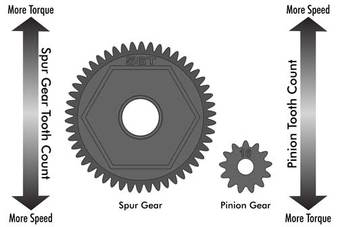
The gear ratio represents the relationship between your pinion gear (mounted on the motor) and your spur gear (connected to the drivetrain). Lower numerical ratios (smaller pinion relative to spur) reduce wheel RPM relative to motor RPM, prioritizing top speed at the expense of acceleration. Higher numerical ratios increase wheel RPM for faster acceleration but reduce top speed. The final drive ratio combines these factors with any internal transmission gearing and differential characteristics.
A common starting point is matching pinion and spur gear sizes for a 1:1 ratio at the transmission. From this baseline, adjust by one or two teeth at a time to find the optimal setup for your application. The goal is to use nearly full throttle throughout your typical driving without consistently hitting the thermal limits of your motor and ESC.
Find the Optimal Setup for Your Driving
Technical tracks with frequent turning and variable speed requirements benefit from lower gearing (higher numerical ratio) that provides better acceleration out of corners and more manageable power delivery. High-speed oval or straight-line applications warrant higher gearing (lower numerical ratio) that maximizes top speed and straight-line velocity. Your local driving conditions and preferred driving style should guide these decisions.
Monitor motor temperature as your primary indicator of proper gearing. An appropriately geared motor should remain comfortable to touch after a typical run session. Over-geared motors overheat quickly and may cut out during operation, while under-geared vehicles feel sluggish despite high RPM operation and deliver disappointing track times.
Select Quality Gears and Maintain Mesh
Spur gears are available in various materials affecting durability and rotating mass. Plastic spurs are lightweight and inexpensive but wear faster and can strip under high power. Composite (nylon-blended) spurs offer improved durability while maintaining reasonable weight. Aluminum spurs provide maximum durability and precise mesh characteristics but add rotating mass and cost.
Pinion gears mount directly on the motor shaft and drive the spur gear. Steel pinions provide durability but require proper alignment to prevent excessive wear on the spur. Brass pinions offer good wear characteristics with slightly more give than steel. Ensure proper gear mesh by checking for even contact across the tooth surfaces—too much mesh causes noise and accelerated wear, while too little mesh allows slippage and potential damage.
Reduce Vehicle Weight
Weight reduction improves acceleration, top speed, and handling simultaneously by decreasing the load on motors and batteries while reducing the inertia that must be overcome during acceleration. Rotating mass reduction has an even greater effect than equivalent static mass reduction because the motor must accelerate spinning components against their own inertia.
Target Rotating Mass First
Wheels, gears, and driveshafts spin continuously during operation, making them high-priority targets for weight reduction. Lightweight wheels provide noticeable improvements in throttle response and acceleration even when total weight reduction is modest. Aluminum or titanium wheel nuts save rotational weight at each corner. Reducing gear mass through aluminum or composite spur gears improves acceleration more significantly than equivalent weight reduction in static components.
Trim and Modify the Body Shell
Body shell modification offers significant weight reduction potential without cost. Trimming excess material from the roof, hood, and wheel wells reduces weight while maintaining structural integrity. Removing unnecessary posts, mirrors, and detail elements further reduces mass. For racing applications, polycarbonate bodies can be trimmed extensively while maintaining adequate strength for crash protection.
Interior components including driver figures, roll cages, and mounting hardware contribute to overall weight without affecting performance. Removing these components saves grams while reducing the center of gravity if upper body mass is eliminated. This weight reduction compounds with other improvements to deliver noticeably quicker acceleration and more responsive handling.
Replace Components with Lighter Alternatives
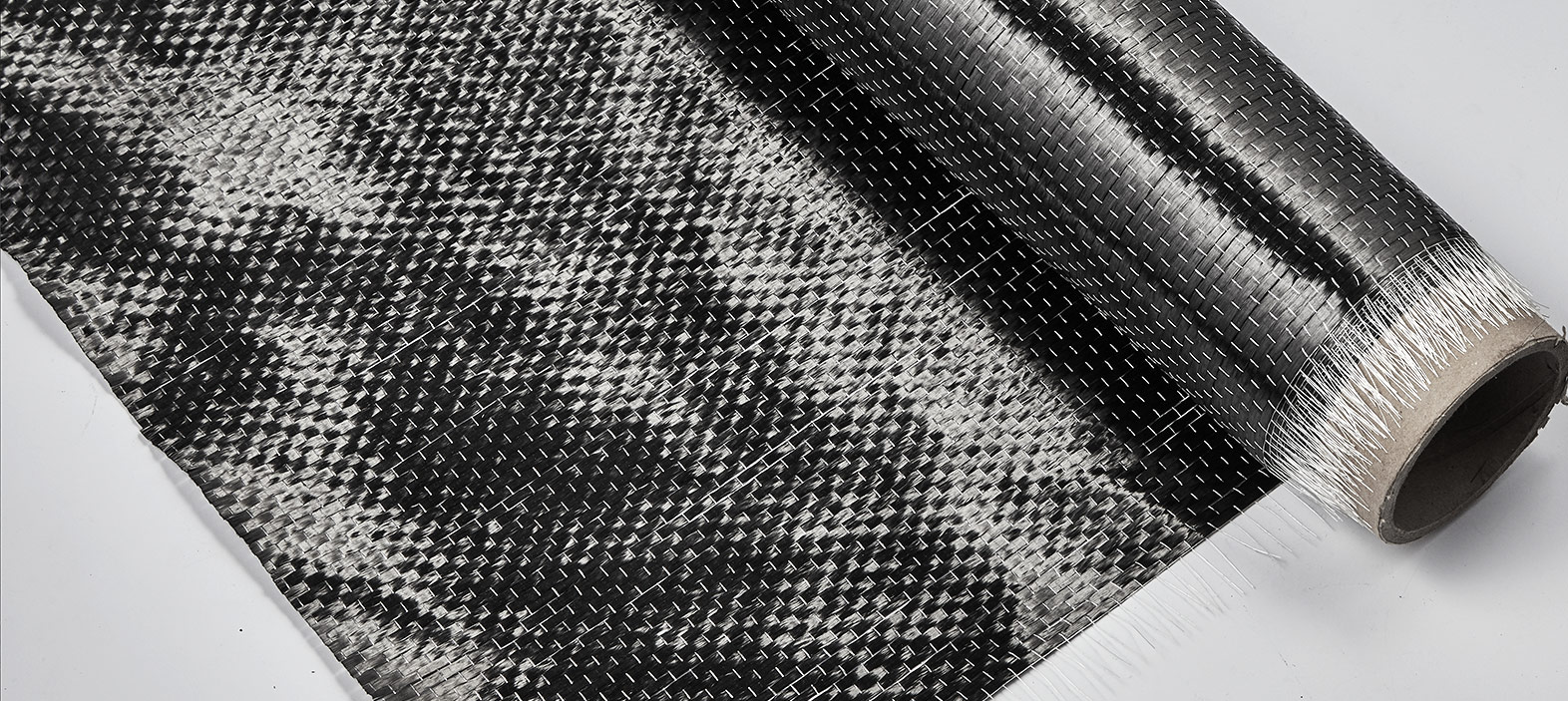
Lithium-based batteries provide the most dramatic weight reduction compared to equivalent NiMH packs. Beyond batteries, replacing stock components with aftermarket alternatives reduces weight throughout the vehicle. Aluminum or titanium hardware replaces steel fasteners throughout the vehicle, saving weight while often providing improved corrosion resistance. Carbon fiber components including shock towers and chassis plates provide excellent strength-to-weight ratios.
Use smaller capacity batteries for racing applications where runtime is less critical than performance. The weight savings often outweigh the reduced runtime, particularly in shorter race formats. Just be sure your battery connectors and compartments accommodate the physical dimensions of your chosen batteries.
Upgrade Electronic Speed Controller
The ESC controls power delivery to your motor, making its capabilities a critical factor in overall performance. Stock ESCs in budget RC cars are designed for basic operation with limited adjustment capabilities and current handling that may bottleneck your other upgrades.
Replace Stock ESC Limitations
Factory ESCs typically include BEC systems with fixed output voltages, limiting your ability to use high-performance servos or receiver systems. Current handling capabilities often restrict peak power delivery even when your motor and battery could support more. Many stock ESCs feature LiPo cutoff circuits calibrated for NiMH voltages that may cut out prematurely or fail to protect batteries from deep discharge.
Replacing the stock ESC with a performance-oriented unit provides multiple benefits beyond simple current handling increases. Modern brushless ESCs feature adjustable timing curves that optimize motor efficiency and power delivery for specific applications. Higher-quality MOSFETs reduce internal resistance, improving efficiency and reducing heat generation during operation.
Tune Throttle Response
Programmable ESC features commonly include punch control (initial acceleration rate), brake strength and bias, drag brake application at throttle neutral, and motor timing adjustments. These parameters allow you to tune throttle response for different surfaces and driving styles. Lower punch settings provide smoother acceleration on slippery surfaces, while maximum punch delivers aggressive launches for drag racing or technical tracks.
Experiment with punch control settings to find the sweet spot for your driving style and typical track conditions. More punch works well on high-traction surfaces where wheel spin isn’t a concern, while less punch prevents wheel spin on loose or slippery surfaces. The goal is consistent, controllable power delivery that maximizes acceleration without sacrificing driver confidence.
Upgrade BEC for Better Servo Performance
The BEC supplies power to your receiver and servos from the main battery. Stock BECs often provide 5V output at modest current ratings, limiting servo performance and response speed. Upgrading to an external BEC or ESC with a higher-rated BEC allows use of high-torque digital servos that provide faster response and more precise steering control.
Switching-mode BECs provide higher efficiency than linear alternatives, reducing heat generation and allowing higher input voltages without requiring separate receiver batteries. Some external BECs offer adjustable output voltage, allowing optimization for specific servo requirements. Modern digital servos often operate at 6V or 7.4V, benefiting from higher BEC output voltages that improve response speed and holding torque.
Improve Tire Grip and Traction
All the power in the world won’t help if your tires can’t put it to the ground. Tire selection and setup significantly affect your vehicle’s ability to convert power into forward motion, making this an essential consideration for performance builds.
Select Appropriate Tire Compounds
Tire compound significantly affects traction across different surfaces. Softer compounds provide more grip but wear faster and perform poorly in dusty or dirty conditions. Harder compounds last longer but offer less traction, particularly on low-traction surfaces. Matching tire compound to track conditions maximizes performance and consistency throughout your run sessions.
Slick tires provide maximum contact patch and grip on clean, smooth surfaces where debris isn’t a concern. Treaded tires perform better in dusty or loose-surface conditions where slick tires cannot clear debris from the contact patch. Directional tread patterns channel debris outward while maintaining surface contact. Consider carrying multiple tire options if you drive in varying conditions.
Optimize Tire Size and Width
Larger diameter tires increase ground clearance and can improve bump handling while affecting gear ratios and top speed. Overall tire diameter changes the effective gear ratio, with larger tires requiring lower pinion gear counts to maintain appropriate wheel speed. Account for these changes when selecting gearing to maintain desired performance characteristics.
Tire width affects contact patch area and stability. Wider tires provide more traction but may interfere with bodywork or suspension components. Narrower tires reduce rotating mass and rolling resistance but offer less grip in some conditions. Match tire width to your vehicle’s power levels, track surface, and driving style for optimal results.
Configure Foam Inserts Properly
Foam inserts support the tire carcass and determine compression characteristics under load. Softer foam inserts allow more sidewall flex, improving conformality to irregular surfaces but potentially reducing stability at high speed. Firmer inserts maintain tire shape better and provide more consistent handling but may skip on rough surfaces.
Single-stage foams provide consistent support throughout the compression range but lack progressive response. Dual-stage foams feature softer initial response that absorbs small irregularities followed by firmer support under heavier load. Varying insert density across the tire (stiffer on the outside, softer on the inside) can tune handling balance for specific applications.
Enhance Drivetrain Efficiency
Even with abundant power, drivetrain losses can rob your RC car of performance. Friction in bearings, gears, and other rotating components converts useful power into heat rather than forward motion. Reducing these losses improves acceleration and top speed while extending component life.
Upgrade and Maintain Bearings
Stock bearings in budget RC cars often feature basic shielding that allows debris intrusion and limited lubrication. Upgrading to sealed bearings with better tolerance specifications reduces friction dramatically. Ceramic hybrid bearings offer the best performance characteristics with minimal friction and corrosion resistance, though at premium cost.
Proper bearing maintenance extends life and maintains performance. Regular cleaning removes accumulated debris that increases friction and wear. Re-lubrication with appropriate bearing oil maintains smooth operation. Inspect bearings regularly for play or roughness, replacing worn units before they fail completely.
Optimize Driveshafts and Differentials
Steel driveshafts in many vehicles add rotating mass that slows acceleration. Aluminum driveshafts reduce weight while often providing improved strength. Carbon fiber driveshafts offer maximum weight reduction but require regular inspection for damage that may not be visible externally.
Differential settings significantly affect handling and drivetrain efficiency. Open differentials allow independent wheel rotation, improving steering on low-traction surfaces but wasting power through spinning inside wheels in turns. Locked differentials ensure both wheels receive power constantly, improving traction but potentially causing handling issues on some surfaces. Limited-slip differentials provide a balance between these characteristics for versatile performance.
Ensure Proper Gear Mesh
Transmission efficiency affects overall power delivery to the wheels. Proper gear mesh between pinion and spur gears prevents premature wear while maintaining efficient power transfer. Too much mesh causes noise, friction, and accelerated wear. Too little mesh allows gear slippage and potential damage.
Adjust gear mesh by loosening the motor mount, pressing the gears together to eliminate play, then slightly backing off to leave minimal clearance. The gears should rotate freely without visible play. Re-check mesh after initial runs as components settle, as improper mesh is a common cause of stripped gears and stripped motor shafts.
Tune Suspension for Speed
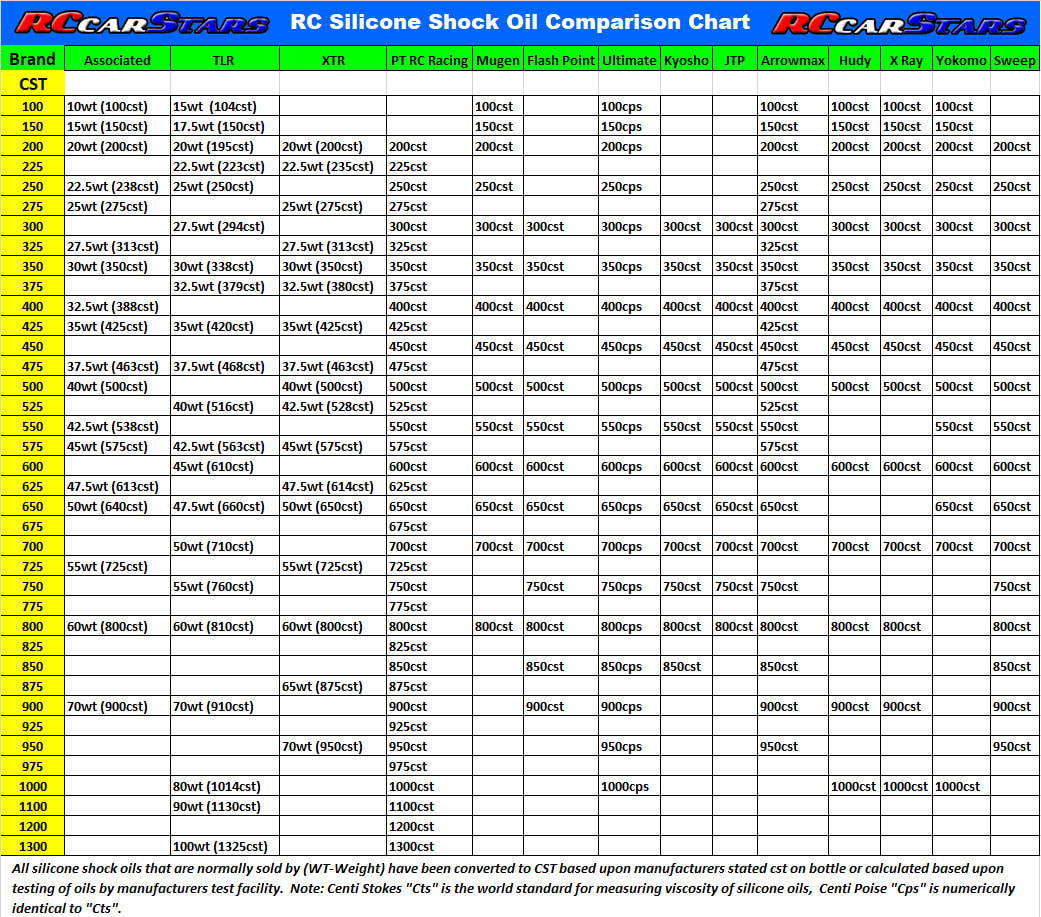
Proper suspension setup ensures your tires maintain contact with the ground for maximum traction while providing stability at high speed. Even minor suspension adjustments can significantly affect handling characteristics and overall performance.
Select Shock Oil Viscosity
Shock oil viscosity determines how quickly the suspension compresses and rebounds under load. Lower viscosity (thinner) oil allows faster suspension movement, improving conformality to rough surfaces but potentially causing instability on smooth surfaces. Higher viscosity (thicker) oil provides more controlled movement and better high-speed stability but may transmit more impact to the chassis.
Temperature affects oil viscosity significantly, with cold oil being thicker than warm oil. Match oil weight to expected operating conditions to ensure consistent performance. Synthetic oils maintain viscosity across a wider temperature range than conventional oils, providing more consistent handling throughout your run sessions.
Adjust Ride Height and Spring Rate
Spring rate determines how much force is required to compress the suspension a given distance. Softer springs allow more wheel travel and better conformality to irregular surfaces but may bottom out under hard acceleration or braking. Stiffer springs maintain ride height better and provide more responsive handling but transmit more impact to the chassis.
Ride height adjustment allows optimization of ground clearance and weight distribution. Lower ride heights lower the center of gravity for improved stability but may cause bottoming on rough surfaces. Front and rear ride height can be adjusted independently to tune handling balance. Find the proper ride height that provides adequate clearance while maintaining consistent suspension travel through the working range.
Configure Damping Characteristics
Shock piston design determines how oil flows through the shock body during compression and rebound. Multi-hole pistons allow more oil flow for faster damping while single-hole pistons restrict flow for firmer damping. Piston hole size affects damping characteristics throughout the stroke, with larger holes providing more consistent damping across the compression range.
Adjustable shocks allow fine-tuning of compression and rebound characteristics independently. High-end shocks feature external adjustment that changes damping rates without disassembly. Understanding how adjustment affects handling allows you to tune your vehicle for specific tracks and conditions, ensuring your suspension works with you rather than against you.
Maintain Peak Performance
The best modifications mean nothing without proper maintenance to preserve their benefits. Regular upkeep prevents performance degradation and identifies problems before they cause failures during driving sessions.
Establish Inspection Routines
Consistent maintenance prevents performance degradation and identifies problems before they cause failure. Before each driving session, inspect bearing condition and smooth rotation, gear mesh and wear patterns, suspension movement and shock condition, and battery condition and connector integrity. Identifying issues during inspection prevents trackside failures and extends component life.
Post-run maintenance includes cleaning debris from bearings, gears, and suspension components. Removing accumulated dirt and grime prevents premature wear and maintains smooth operation. Inspect components for damage during operation to identify stress points that may require reinforcement or replacement.
Keep Components Properly Lubricated
Proper lubrication reduces friction throughout the drivetrain while protecting components from wear. Different components require different lubricant types and application frequencies. Bearings benefit from light oil applied regularly, while gears require appropriate grease that stays in place under load. Suspension components need lubrication at pivot points to maintain smooth movement.
Differential and transmission fluid should be changed at regular intervals to maintain proper lubrication and remove accumulated wear debris. Fluid condition indicates drivetrain health, with metal particles suggesting excessive wear that may require component inspection or replacement. Match fluid viscosity to application requirements for optimal performance.
Realistic Performance Expectations
Understanding what you can realistically achieve helps set appropriate goals and measure your progress effectively. Budget RC cars with stock components typically achieve top speeds of 15-25 mph depending on configuration and surface. Comprehensive modifications including brushless power, LiPo batteries, and optimized gearing can push speeds to 40-60 mph or beyond, with some extreme builds reaching even higher velocities.
Acceleration performance improves substantially with power and weight modifications. Stock vehicles may require several seconds to reach top speed from standstill. Modified vehicles with increased power and reduced weight achieve maximum velocity much more quickly, improving track times and driving enjoyment. The transformation in feel and performance makes the modification investment worthwhile for any enthusiast seeking more excitement from their RC experience.
Performance modifications do affect component longevity compared to stock configurations. Higher power levels stress drivetrain components more heavily, accelerating wear on gears, bearings, and shafts. More aggressive driving styles associated with higher performance also contribute to increased wear rates. Balancing performance goals with durability requirements helps select appropriate modification levels for your intended use, whether that’s weekend backyard bashers or competitive racing applications.