There’s nothing more frustrating than your electric RC car suddenly losing power mid-race or sputtering to a stop during an exciting off-road adventure. These high-performance machines deliver impressive speed and handling, but like any sophisticated piece of equipment, they demand regular attention to maintain peak performance. Proper electric rc car maintenance separates those who constantly battle breakdowns from enthusiasts who enjoy years of reliable operation. When you establish simple maintenance routines after each run, you prevent small issues from becoming expensive repairs while ensuring your vehicle responds precisely to every command. This guide delivers the specific maintenance steps you need to keep your electric RC car running smoothly session after session.
Clean Your RC Vehicle After Every Run
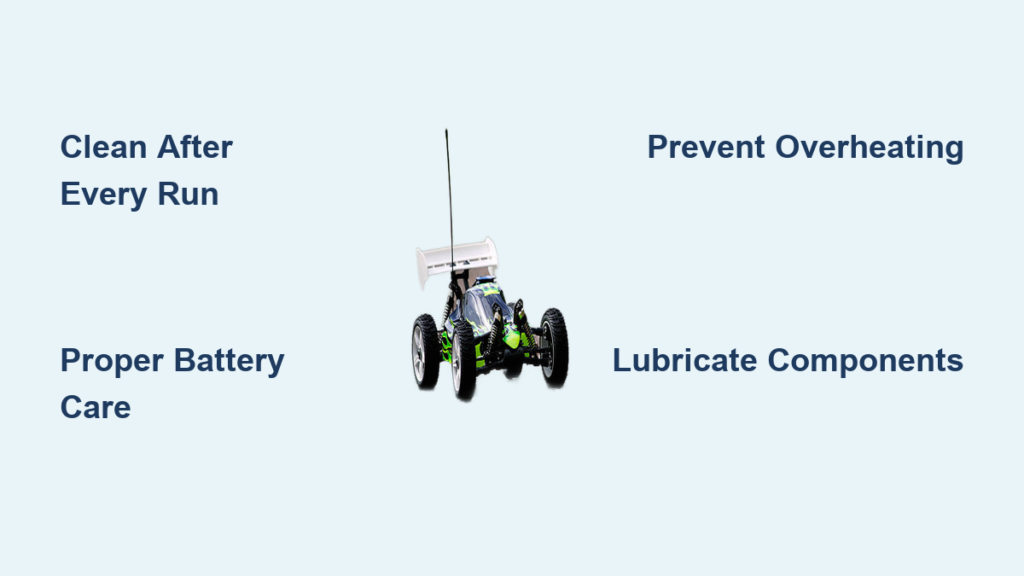
Skipping post-run cleaning is the fastest way to shorten your RC car’s lifespan. Dirt, grass, and moisture accumulate in critical areas during operation, accelerating wear on moving components and potentially causing electrical shorts. Establishing a 10-minute cleaning routine after each session prevents most common failures while maintaining optimal performance.
Post-Run Cleaning Protocol
Start by removing the body shell to access internal components where debris collects most heavily. Use compressed air to blow out loose dirt from chassis crevices, suspension mounts, and the motor housing—pay special attention to areas around bearings where fine dust causes rapid wear. For stubborn debris, use a soft-bristled brush rather than metal tools that could damage components. When cleaning around the electronic speed controller (ESC) and receiver, avoid spraying liquids directly on electronics but ensure all ventilation passages remain clear to prevent overheating. For vehicles used in wet conditions, allow all components to dry completely before storage to prevent corrosion.
Lubrication Best Practices
Proper lubrication directly impacts how smoothly your RC car handles and how long components last. Apply light oil to bearings by rotating the component while applying the lubricant for complete coverage. Use grease on gears, suspension pivot points, and steering linkages where higher viscosity provides better protection under load. Never over-lubricate—excess grease attracts dirt that forms an abrasive paste accelerating wear. High-quality RC-specific lubricants resist contamination better than generic alternatives. During weekly maintenance sessions, remove wheels to clean and re-lubricate wheel bearings, ensuring they spin freely without resistance or grinding noises that indicate developing problems.
Battery Care: Maximizing Power and Safety
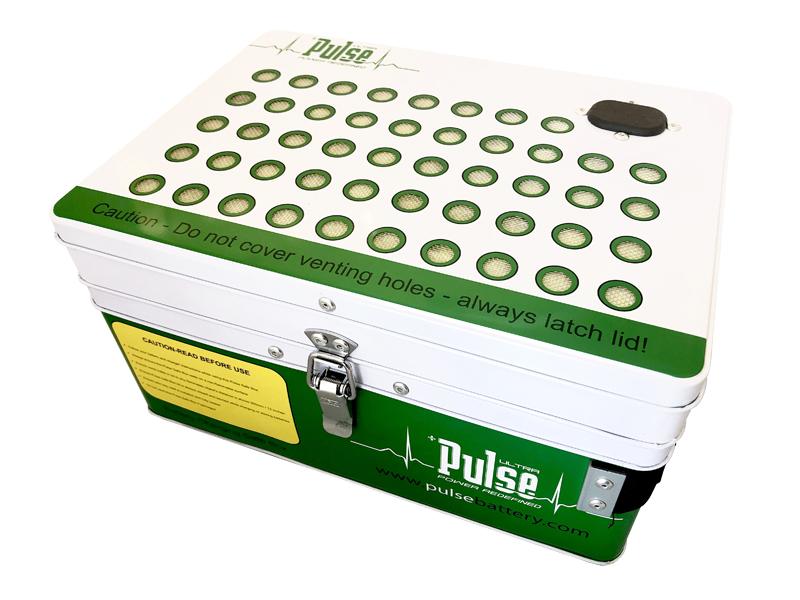
Your electric RC car’s battery represents both its most critical component and potentially its greatest safety risk when mishandled. Proper battery maintenance extends usable life, maintains consistent power delivery, and prevents dangerous situations that could damage your vehicle or surroundings.
Charging and Storage Best Practices
Always use a charger specifically designed for your battery chemistry—LiPo, NiMH, or Li-ion—following manufacturer specifications for charging rates. For LiPo batteries, balance charging is non-negotiable; skipping this step creates cell imbalance that reduces capacity and creates fire hazards. Store batteries at approximately 50% charge in fireproof containers, keeping them away from extreme temperatures that degrade performance. During charging, never leave batteries unattended, and always place them in LiPo safety bags on non-flammable surfaces. Charge rates should typically not exceed 1C (one times the battery’s capacity) unless specifically rated for higher rates by the manufacturer.
Warning Signs Your Battery Needs Replacement
Swelling indicates internal cell damage and requires immediate replacement—never use a swollen battery. Check connectors for fraying or damage after each use, as compromised connections create resistance that generates dangerous heat. Monitor run times—if your vehicle consistently operates for significantly shorter periods despite proper charging, your battery has likely reached end of life. When disposing of old batteries, follow local regulations for lithium-based battery disposal; never throw them in regular trash where they could cause fires.
Fix Overheating Problems Before They Damage Your RC Car
Overheating causes more preventable RC car failures than almost any other issue, particularly during extended runs or aggressive driving sessions. Recognizing the causes and implementing cooling solutions protects your investment while maintaining consistent performance.
Common Causes of RC Car Overheating
Extended operation without rest periods allows heat to accumulate beyond what components can dissipate. Blocked cooling passages around the motor and ESC prevent airflow from carrying heat away. Poorly lubricated drivetrain components create excessive friction that generates additional heat. High ambient temperatures compound these issues, making overheating more likely on hot days. Driving through deep grass or mud forces the motor to work harder, dramatically increasing heat generation beyond normal operating conditions.
Quick Cooling Solutions for Hot Components
After noticing excessive heat, immediately stop driving and allow components to cool for at least 15 minutes before continuing. Use compressed air to clear debris blocking cooling fins on the motor and ESC. Apply thermal paste to motor-ESC heat sinks if they’ve dried out. For frequent overheating issues, consider upgrading to aluminum heat sinks or adding small cooling fans to critical components. Never operate your RC car when components exceed 200°F (93°C)—consistent high temperatures permanently damage motors and electronics.
Motor Maintenance for Peak Performance
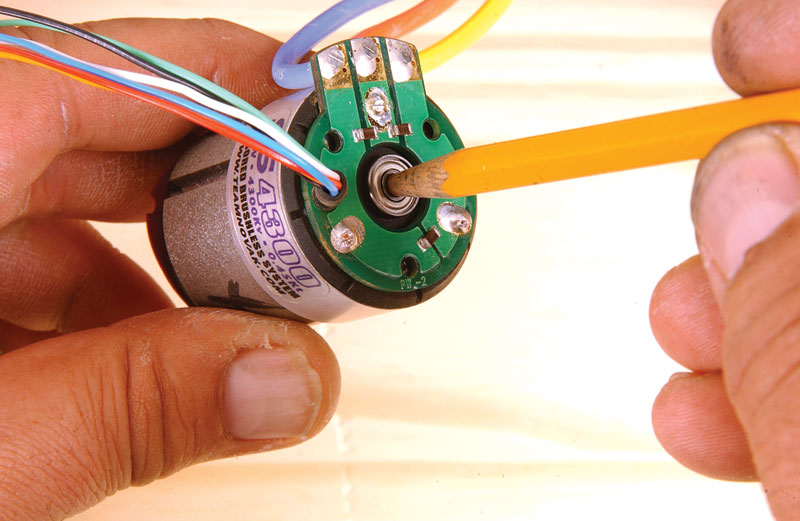
Whether you’re using brushless or brushed technology, your motor’s condition directly determines acceleration, top speed, and overall drivability. Regular inspection catches developing problems before they leave you stranded on the track or trail.
Brushless Motor Care Essentials
While brushless motors require less maintenance than brushed alternatives, they still need periodic attention. Remove the motor and clean exterior housing, eliminating any debris that could interfere with cooling. Inspect the rotor for foreign objects caught in the magnetic assembly—these cause vibration that reduces performance. Spin the shaft manually to check bearing condition; smooth, friction-free rotation confirms health while any grinding or resistance indicates replacement is needed. For vehicles used heavily, consider replacing motor bearings annually as preventative maintenance.
Diagnosing Common Motor Issues
Reduced speed and acceleration suggest developing motor problems. Unusual noises including grinding, whining, or clicking indicate internal damage or contamination. Excessive heat after normal running periods points to electrical issues or mechanical binding. When diagnosing problems, remove the motor and inspect for debris, clean thoroughly, and verify proper mounting security to prevent vibration-related issues. For brushless systems, ensure correct synchronization between motor and ESC if using sensorless technology. If problems persist after basic checks, consider professional servicing or replacement.
Suspension and Tire Care for Optimal Handling

Your RC car’s suspension system absorbs impacts and maintains tire contact with the ground—critical for predictable handling. Neglecting these components leads to sloppy control and accelerated wear on other vehicle systems.
Weekly Inspection Checklist
Check suspension arms, shock absorbers, tie rods, and steering knuckles for cracks or damage after each run. Inspect shock absorbers for oil leaks around shafts and verify smooth compression/rebound action. Examine all hinge pins and bushings for wear, replacing them when they develop excessive play. For tires, check for excessive wear, tears, or separation from wheels—replace when tread depth significantly decreases. Ensure foam inserts (if used) provide adequate support and replace when compressed. Verify all tires remain properly glued to wheels, as separated tires cause erratic handling and potential damage.
Follow a Simple Maintenance Schedule
Consistent maintenance prevents most common RC car failures while extending component life. This tiered approach ensures appropriate attention without excessive time investment:
- After every run: 5-minute debris removal, visual inspection for obvious damage, and battery charging
- Weekly or after 3-5 runs: Complete cleaning, lubrication of moving parts, tire inspection, and screw tightening
- Monthly or after 10-15 runs: Suspension component inspection, shock oil check, electrical system verification
- Seasonally: Comprehensive component examination, bearing replacement if needed, full shock rebuild
Final Note
Proper electric rc car maintenance doesn’t require hours of work—it’s about developing simple habits that protect your investment and maximize enjoyment. By spending just minutes after each run on basic cleaning and inspection, you prevent most common failures while ensuring your vehicle delivers peak performance every time you turn it on. The satisfaction of keeping your RC car in excellent condition matches the excitement of driving it at full speed across any terrain. Start implementing these maintenance practices today, and you’ll enjoy years of reliable operation from your electric RC car.