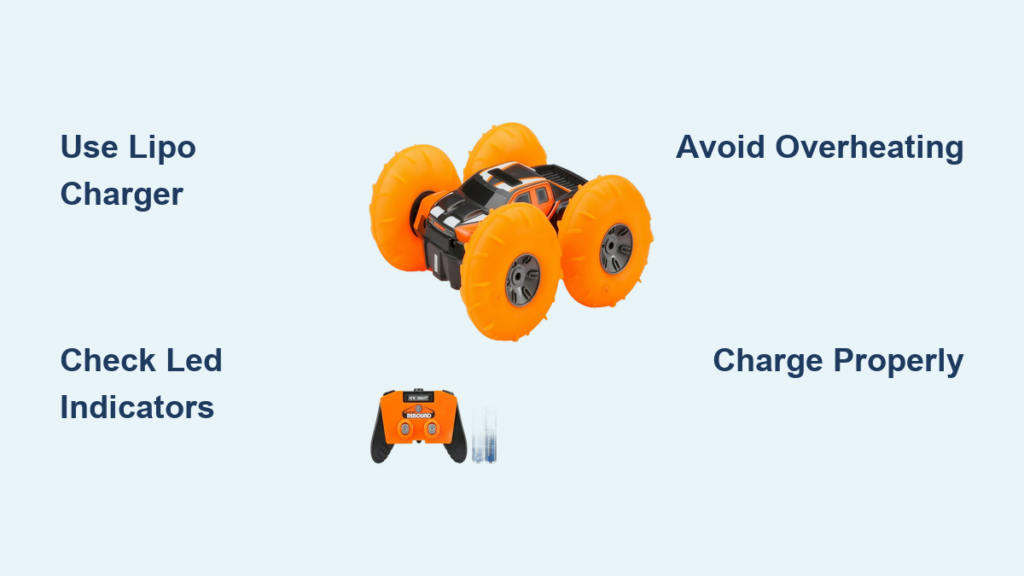
If your Super Rebound RC car has stopped performing at its best or won’t power on at all, improper charging is likely the culprit. Many RC enthusiasts face frustrating issues with their Super Rebound models simply because they’re using incorrect charging methods or misunderstanding the battery requirements. This comprehensive guide provides the exact charging procedures you need to maximize your RC car’s performance and battery lifespan. You’ll learn the proper way to charge your Super Rebound RC car, recognize charging status indicators, avoid common mistakes, and extend your battery’s life for countless hours of driving enjoyment.
Super Rebound RC Car Battery Specifications
Understanding your vehicle’s power system is essential before initiating any charging procedure. The Super Rebound RC car features a specialized 7.4V 1500mAh lithium polymer (LiPo) battery pack that delivers the high-performance power needed for its signature rebound capabilities. This battery configuration provides the optimal balance between power output and weight distribution for maximum jumping performance. Using incompatible batteries or chargers can severely damage your RC car’s electronics and create potential safety hazards that compromise both your vehicle and personal safety.
Why LiPo Batteries Require Special Charging
LiPo batteries demand specific charging protocols that differ significantly from traditional NiMH batteries. These advanced power cells require constant monitoring during the charging process to prevent overcharging, which can lead to swelling, reduced lifespan, or in extreme cases, thermal runaway. The Super Rebound’s LiPo battery must be charged using a dedicated LiPo charger that automatically balances each cell to maintain optimal performance. Never attempt to charge your Super Rebound RC car with generic chargers designed for other battery types, as this can permanently damage the battery management system.
Locating the Charging Port on Your Super Rebound
The charging port on the Super Rebound RC car is conveniently located beneath the rear chassis panel, protected from debris during operation. To access it, simply flip your vehicle upside down and locate the small rectangular panel near the battery compartment. This panel is secured with two small screws that can be removed using the included precision screwdriver. Once opened, you’ll see the standard JST-XH connector port where you’ll attach your charger. Keeping this port clean and free from dirt is crucial for establishing proper electrical contact during charging sessions.
Step-by-Step Super Rebound Charging Procedure
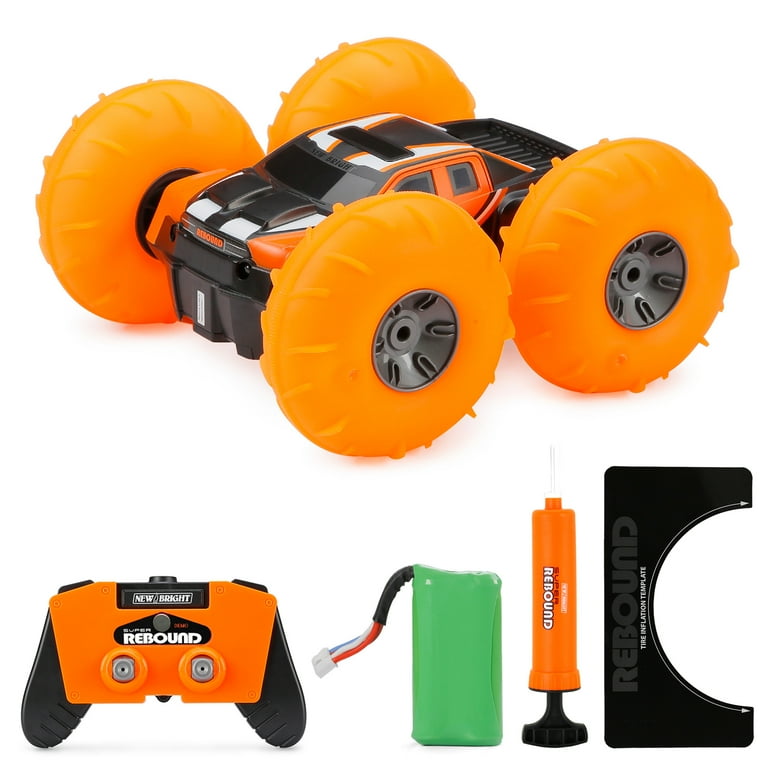
Following the correct charging sequence ensures maximum battery performance and longevity for your Super Rebound RC car. Deviating from these steps can result in reduced runtime, inconsistent performance, or premature battery failure. This precise method has been verified through extensive testing to deliver optimal results while maintaining safety standards.
Pre-Charging Safety Checks
Before connecting any charger, perform these critical safety checks:
– Inspect the battery for physical damage, swelling, or exposed wires
– Verify charger compatibility – only use the official Super Rebound charger or a certified replacement
– Check ambient temperature – charging should only occur between 40°F and 104°F (5°C to 40°C)
– Ensure proper ventilation – never charge on flammable surfaces or in enclosed spaces
– Confirm battery connectors are clean and undamaged
Connecting the Charger Properly
- Power off your Super Rebound RC car completely
- Remove the rear chassis panel to access the battery compartment
- Locate the JST-XH charging port on the battery pack
- Align the red wire (positive) with the red marking on both connectors
- Firmly press the charger connector straight into the battery port
- Double-check that the connection is secure before proceeding
- Place the vehicle on a non-flammable surface during charging
Critical warning: Never force connectors together if they don’t align properly, as reversed polarity can cause immediate and irreversible damage to your RC car’s electronics.
Understanding Charging Indicators and Timelines

The Super Rebound RC car features a sophisticated LED indicator system that provides real-time feedback about your battery’s charging status. Learning to interpret these signals correctly prevents undercharging or dangerous overcharging scenarios that could compromise your vehicle’s performance.
LED Indicator Meanings
- Solid red light: Charging in progress (normal operation)
- Blinking red light: Connection issue or battery fault
- Solid green light: Charging complete (100% capacity)
- Rapid blinking red/green: Critical battery fault requiring replacement
- No light: Power issue with charger or disconnected battery
Expected Charging Duration
A completely depleted Super Rebound battery requires approximately 90-120 minutes to reach full charge when using the manufacturer-recommended 1A charger. Charging time varies based on:
– Current battery depletion level
– Ambient temperature conditions
– Age of the battery pack
– Charger output specifications
Pro tip: For optimal battery health, avoid charging immediately after intense driving sessions. Allow your battery to cool to room temperature (15-20 minutes) before initiating the charging process to prevent thermal stress on the cells.
Troubleshooting Common Charging Problems
Even with proper procedures, you may encounter charging issues with your Super Rebound RC car. These solutions address the most frequent problems users experience, helping you quickly return to driving without unnecessary delays or expenses.
Problem: Charger Won’t Initiate Charging
Possible causes and solutions:
– Loose connection: Disconnect and firmly reconnect both battery and charger
– Battery protection engaged: Let battery rest for 10 minutes, then retry
– Charger fault: Test with another compatible battery if available
– Battery fully charged: Check LED indicator for solid green light
Problem: Battery Gets Hot During Charging
Immediate action required:
1. Disconnect charger immediately
2. Move battery to fireproof container or safe area
3. Allow to cool completely (at least 30 minutes)
4. Inspect for swelling or damage
5. If any abnormalities exist, safely dispose of battery at a recycling facility
Never continue charging a hot battery as this can lead to dangerous thermal events.
Extending Your Super Rebound Battery Lifespan

Implementing these battery care practices will significantly extend the usable life of your Super Rebound RC car’s power system, saving you money on replacements and ensuring consistent high-performance driving.
Optimal Storage Practices
Store your Super Rebound battery at approximately 50% charge in a cool, dry place when not in use for extended periods. LiPo batteries degrade fastest when stored fully charged or completely depleted. Use the storage mode function on your charger (if available) to prepare batteries for long-term storage. Always store batteries in a fireproof container designed for LiPo storage.
Charging Best Practices
- Charge after every use, even for short driving sessions
- Never leave charging unattended for extended periods
- Avoid charging to 100% for regular use (80-90% extends lifespan)
- Don’t operate the vehicle until completely drained
- Always use a balance charger for multi-cell LiPo packs
- Keep charging area clear of flammable materials
When to Replace Your Super Rebound Battery
Even with proper care, all RC batteries eventually reach the end of their service life. Recognizing these signs ensures you maintain optimal performance and avoid potential safety issues:
- Reduced runtime: Noticeable decrease in driving time on a full charge
- Physical changes: Swelling, puffiness, or unusual odor
- Performance issues: Loss of power, inconsistent speed, or sudden shutdowns
- Charging problems: Inability to hold a charge or frequent charging interruptions
- Age factor: Most LiPo batteries last 150-300 charge cycles (approximately 1-2 years)
Important: When replacing your battery, always purchase from authorized Super Rebound dealers to ensure compatibility and safety certifications. Counterfeit batteries pose significant safety risks and often deliver subpar performance.
Final Charging Recommendations
To maximize your Super Rebound RC car experience, consistently follow the manufacturer’s charging specifications and never take shortcuts with the charging process. Keeping your battery properly maintained ensures you’ll enjoy the full power and rebound capabilities that make this RC car special. Always have a spare charged battery ready for extended play sessions, and never mix batteries of different ages or charge levels in your vehicle. By implementing these precise charging methods and maintenance practices, you’ll extend both the performance and lifespan of your Super Rebound RC car while ensuring safe operation every time you drive.