That distinctive tire screech and smoke cloud aren’t just for full-size muscle cars—RC enthusiasts know the thrill of executing a perfect burnout with their radio-controlled vehicles. When your RC car’s tires spin furiously while staying in one spot, creating that signature smoke show, you’ve mastered one of the most impressive RC driving techniques. This guide reveals exactly how to do a burnout with an RC car safely and effectively, transforming your weekend hobby into a crowd-pleasing spectacle at the track or in your driveway.
Whether you’re a beginner looking to add excitement to your RC sessions or an experienced hobbyist wanting to refine your technique, understanding the proper approach prevents costly damage to your vehicle while maximizing visual impact. Let’s dive into the specific steps that will have your RC car laying down smoke in no time.
Select the Best RC Car for Burnouts

Your vehicle’s capabilities determine whether you’ll achieve an impressive smoke show or simply spin wheels without results. Not all RC cars can deliver proper burnouts, so choosing the right platform is your first critical step toward success.
Identify Suitable Motor and Drivetrain Configurations
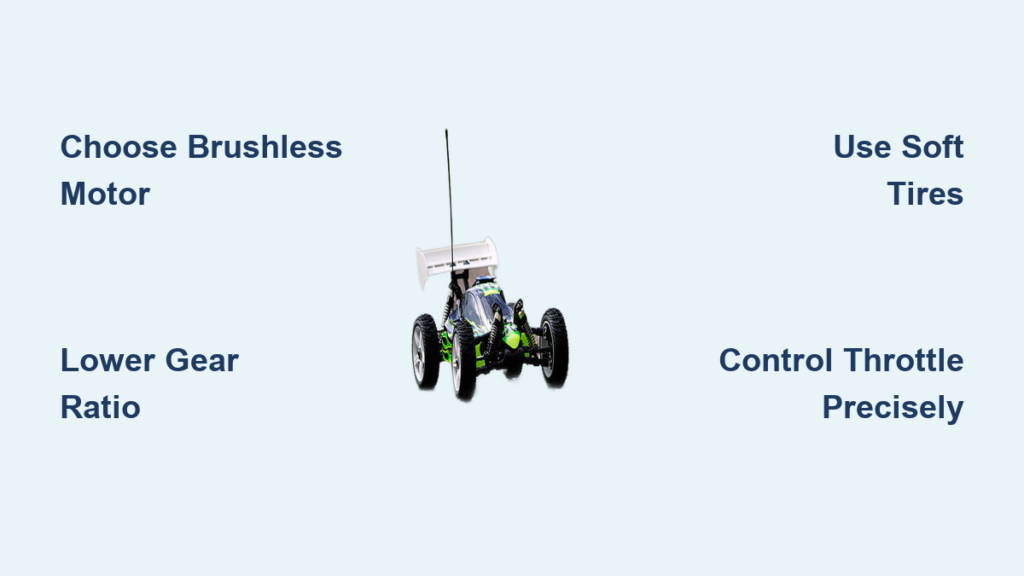
Brushless motor systems provide the consistent high-torque delivery essential for effective RC burnouts. While brushed motors can sometimes work, they typically overheat quickly during sustained wheel spin. Four-wheel-drive vehicles offer more control during burnouts as power distributes across all wheels, but rear-wheel-drive models often produce more dramatic visual effects since all torque concentrates on the rear axle.
Pay close attention to your gear ratio—lower gearing (achieved by using a smaller pinion gear or larger spur gear) dramatically increases wheel torque. This modification alone can transform your burnout performance. If your RC car’s manual specifies a standard 20T pinion gear, try switching to an 18T or 17T version for noticeably improved burnout capability without expensive upgrades.
Optimize Your Tires for Maximum Smoke Production
Stock RC tires often spin freely without generating sufficient friction for proper smoke. The secret lies in modifying your tires to achieve the perfect grip level—enough to create friction but not so much that wheels simply lock up. Many experienced hobbyists use specific tire compounds designed for burnout practice or deliberately wear tires to reduce their traction.
Consider these tire modification approaches:
– Apply specialized traction compounds to increase stickiness (use sparingly to avoid permanent damage)
– Lower tire pressure by 10-15 PSI below normal operating levels to increase the contact patch
– Use dedicated burnout tires featuring softer rubber compounds that heat up quickly
– For extreme effects, lightly sand tire surfaces to create controlled traction loss
Perfect Your Burnout Execution Technique
With your RC car properly configured, executing a successful burnout comes down to three critical elements: surface selection, throttle control, and weight management. Master these fundamentals to transform occasional wheel spin into consistent, impressive smoke displays.
Choose the Ideal Surface for Maximum Effect
Smooth concrete or asphalt surfaces work best for RC car burnouts, providing the perfect balance of grip and slip. Avoid overly slick surfaces like ice or smooth tile that prevent sufficient friction, and steer clear of high-grip options like deep carpet that strain your drivetrain. Many enthusiasts create dedicated burnout zones using plywood sheets or rubber mats for consistent results.
Wet surfaces can enhance initial smoke production but quickly become unpredictable as water spreads. If practicing at a track, clear any oil spots or debris from your burnout area—these hazards cause your RC car to lose control mid-burnout. For best results, select a flat, smooth surface about 6×6 feet to contain your smoke cloud.
Master Throttle Control for Consistent Results
The difference between a failed attempt and an impressive burnout lies in precise throttle management. Start positioned squarely on your burnout surface, then apply throttle smoothly to 50-70% power—enough to break traction but not so much that your car rockets forward uncontrollably.
Once wheels begin spinning, fine-tune your throttle input to maintain that sweet spot where tires generate maximum heat without cooling from excessive speed. Listen carefully to your motor and ESC; unusual sounds indicate you’re pushing beyond safe limits. Most properly configured RC systems can handle 10-20 second burnouts before requiring cooling breaks.
Pro tip: Practice finding the exact throttle point where your car stays stationary. If it creeps forward, reduce throttle slightly; if front wheels lift, you may need more front weight or less initial punch.
Balance Weight Distribution for Optimal Performance
Your RC car’s weight distribution dramatically affects burnout quality. For rear-wheel-drive models, shifting weight slightly rearward helps maintain traction loss while preventing wheelies. Some advanced hobbyists add small weights to the rear chassis, but this requires careful balancing to avoid handling issues during normal driving.
Front-to-rear weight balance significantly impacts your ability to maintain position during burnouts. Too much front weight makes the rear light and prone to wheelies, while excessive rear weight creates instability when traction suddenly increases. Experiment with small weight adjustments (5-10 grams) to find your vehicle’s optimal configuration.
Execute Advanced Burnout Variations
Once you’ve mastered basic burnouts, explore these three popular variations that showcase different skills and create unique visual effects. Each style requires subtle technique adjustments while using the same fundamental setup.
Perform the Classic Standing Burnout
This standard technique keeps your RC car stationary while rear wheels spin furiously, creating an expanding smoke cloud. To maximize duration and smoke volume, periodically modulate your throttle rather than holding it constant—this allows tires to heat more evenly and prevents premature degradation.
For best results, find the precise throttle point where your car maintains position without creeping forward. If the vehicle moves despite your efforts, reduce throttle slightly or adjust your surface angle. Standing burnouts typically work best on smooth, slightly textured surfaces that provide consistent grip.
Master the Rolling Burnout
This advanced technique maintains forward motion while tires spin, creating an impressive smoke trail behind your vehicle. Begin with a brief standing burnout to heat the tires, then gradually increase throttle to move forward while maintaining wheel spin.
Rolling burnouts require exceptional throttle control since you must balance wheel spin against forward momentum. They work best on long, smooth surfaces where you can maintain steady input. This style has become increasingly popular for RC content creators due to its dramatic visual effect in videos and photos.
Attempt the Brake-Burnout (2-Wheel Dyno Style)
Some high-torque RC cars can perform brake-burnouts where one wheel spins while the other remains stationary. This advanced technique requires four-wheel-drive capability or precise weight management on two-wheel-drive vehicles. The method involves applying throttle while using gentle brake pressure on the stationary wheel.
Warning: This technique puts extreme stress on drivetrain components. Only attempt it with reinforced parts and expect accelerated wear. The visual effect of one spinning wheel against one stationary creates an interesting display that tests your control precision to the limit.
Maintain Your RC Car After Burnout Sessions

Burnouts place unusual stress on your vehicle’s components. Implementing proper post-burnout maintenance ensures your RC car continues performing well for regular driving and future smoke sessions.
Inspect Critical Components Immediately After
After each burnout session, thoroughly examine your tires for excessive wear, chunks missing, or delamination. Heat from sustained friction weakens tire compounds, making them prone to failure during normal driving. Replace tires showing heat damage rather than risking blowouts at speed.
Check drivetrain components including driveshafts, differential gears, and axle bearings—burnout sessions accelerate wear on these parts. Listen for unusual sounds during normal operation and inspect for play or looseness indicating potential damage. Motor and ESC temperatures should return to normal quickly; if not, allow extended cooling time before next use.
Clean and Service Your Vehicle Properly
Rubber residue from burned tires accumulates on your chassis, wheels, and sometimes motor housing. Clean these deposits regularly using appropriate solvents or dedicated RC cleaning solutions. Built-up residue affects suspension movement and causes overheating by insulating components that need airflow.
Inspect battery connections and ESC connectors for stress signs after burnout sessions. High current draw reveals marginal connections that might fail during normal operation. Re-seat connectors and tighten loose terminals as part of your routine maintenance.
Avoid Costly Mistakes That Damage Your RC Car
Learning from others’ errors helps you progress faster while protecting your investment. These common mistakes frustrate beginners and experienced hobbyists alike.
Prevent Component Overstress During Practice
Newcomers often hold burnouts too long, exceeding what their equipment can handle. Watch for warning signs including ESC cutoffs, motor stuttering, or unusual smells. Most RC systems shouldn’t exceed 15-20 seconds of continuous burnout without cooling periods. For longer displays, perform multiple shorter burnouts with adequate rest between.
Never use damaged or improperly rated batteries during burnouts—this creates fire hazards and unpredictable power delivery. Always use healthy, fully charged batteries rated for your system’s current demands. Slightly discharged batteries cause uneven burnouts or sudden power loss.
Select Appropriate Vehicles for Burnout Practice
Attempting burnouts with stock, entry-level RC cars typically ends in disappointment or damage. These vehicles lack the power delivery, drivetrain strength, and ESC programming needed for effective burnouts. Reserve burnout practice for vehicles equipped with brushless systems and appropriate gearing.
Some RC car designs simply cannot perform burnouts regardless of modifications. Vehicles with integrated gearboxes, certain suspension designs, or limited ESC options may not suit this activity. Research your specific vehicle type before investing in modifications.
Mastering how to do a burnout with an RC car combines mechanical understanding, throttle precision, and showmanship. Start with proper vehicle preparation, perfect basic technique, then explore variations as your skills develop. Always prioritize equipment safety and implement proper maintenance to enjoy this exciting aspect of the RC hobby for years to come. With consistent practice and attention to detail, you’ll transform from a beginner to a burnout expert, impressing fellow hobbyists with your smoke-producing skills at every track day.