That high-pitched scream from your nitro RC car might thrill you, but it’s quickly becoming a problem when neighbors start complaining or track officials give you the “too loud” warning. The good news is you don’t have to sacrifice performance to reduce noise—strategic modifications can cut decibel levels significantly while maintaining the thrilling power that makes nitro RC so addictive. Whether you’re facing noise restrictions at your local track or simply want a more neighbor-friendly backyard experience, this guide reveals proven methods to quiet your nitro machine without compromising its racing spirit.
Most noise comes from four key areas: the exhaust system, engine vibration, air intake, and body resonance. Tackling each of these systematically delivers the quietest possible operation while preserving performance. The techniques below range from simple maintenance practices you can complete in minutes to more involved modifications—each building on the last for cumulative noise reduction. By the end of this guide, you’ll know exactly how to transform your ear-splitting nitro beast into a considerate yet still powerful machine.
Install a High-Performance Exhaust Silencer

Your nitro RC’s exhaust system is responsible for 60-70% of the noise it produces, making silencer upgrades the single most effective modification for noise reduction. Stock silencers prioritize performance over quiet operation, allowing significant sound to escape through the exhaust pipe. Replacing your factory silencer with a purpose-built quieting model can reduce noise levels by 5-10 decibels—enough to transform an annoying screech into a deep, muffled rumble that won’t disturb the neighborhood.
Choose the Right Silencer Design for Your Needs
Not all silencers deliver equal noise reduction. Large-capacity models with multi-chamber designs and premium packing materials offer the best sound attenuation but may require body modifications to fit. Compact silencers maintain your original chassis layout but provide less noise reduction. For track competition where strict decibel limits apply, seek out silencers specifically designed for noise compliance—many manufacturers like HPI and Traxxas offer “quiet” variants that meet most racing organization requirements without significant power loss.
Maintain Your Silencer Packing Properly
Even the best silencer loses effectiveness when the internal packing material deteriorates. The fiberglass or synthetic packing absorbs sound waves, but repeated heat cycles cause it to compress and lose density. Check your packing every 3-5 runs and replace it when you notice compressed areas or increased noise levels. Replacement packing costs just a few dollars and takes minutes to install—making this the most cost-effective maintenance task for keeping your RC car quiet. When replacing packing, ensure you compress it evenly throughout the silencer chamber for consistent performance.
Perfect Your Engine Tuning for Quieter Operation
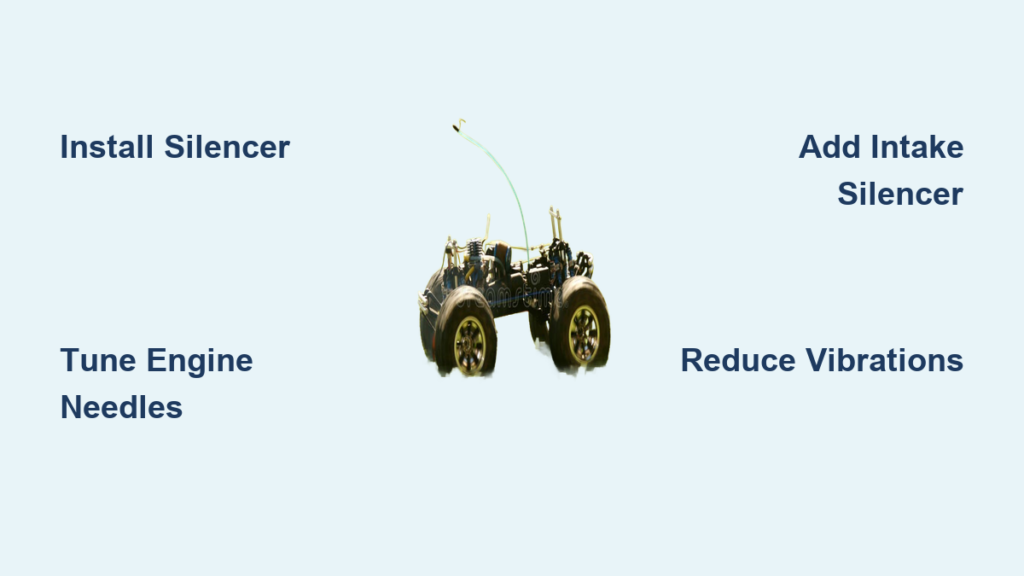
Many hobbyists don’t realize that improper engine tuning significantly contributes to noise levels. An engine running too rich creates popping sounds from unburned fuel igniting in the exhaust system, while an overly lean mixture produces a higher-pitched, more piercing exhaust note that carries farther. Finding the optimal needle settings reduces unnecessary combustion noise while maintaining strong power delivery—often yielding immediate noise reduction without any hardware modifications.
Adjust High-Speed Needle for Optimal Sound
Start by making quarter-turn adjustments to your high-speed needle toward a slightly richer setting. Test both noise levels and performance after each adjustment—most nitro engines respond well to minor richness that quiets the exhaust note with minimal performance impact. The goal is finding the leanest setting that still delivers acceptable power while eliminating that sharp, cutting sound that travels so effectively. For track use, aim for a deep, consistent tone without popping or sputtering at any RPM range.
Verify Proper Idle Mixture Settings
Your idle mixture screw dramatically affects low-RPM noise characteristics. With the engine at operating temperature, adjust the idle mixture while listening carefully to the exhaust note. A properly tuned idle should produce a steady, relatively quiet hum without surging or sputtering. Most nitro engines benefit from a slightly rich idle mixture, which quiets operation without causing flooding or excessive fuel consumption. Pay attention to how the engine transitions from idle to acceleration—smooth transitions indicate proper tuning that minimizes noise spikes.
Add an Air Intake Silencer
While exhaust noise dominates, the air intake contributes 15-20% of your nitro RC’s total noise output. Air intake silencers attach directly to your carburetor’s air intake and filter incoming air while dampening the intake roar that accompanies high-RPM operation. These simple devices can reduce overall noise by 2-4 additional decibels when combined with exhaust modifications—making them an essential component of any comprehensive quieting strategy.
Select an Appropriate Intake Silencer Size
When choosing an intake silencer, balance sound reduction with adequate airflow. Oversized silencers provide better noise reduction but may not fit within your chassis layout. Compact models preserve space but offer less attenuation. Look for silencers with internal chambers and layered construction for maximum effectiveness. Ensure the filter element remains easily accessible for oiling and replacement, as proper air filtration protects your engine from destructive debris while maintaining quiet operation.
Eliminate Vibration-Induced Noise

Engine vibration travels through your chassis and body, amplifying sound and creating rattles that compound noise problems. Reducing vibration at its source creates a quieter, smoother-running vehicle—even if the engine itself isn’t particularly loud. Many hobbyists are surprised by how much quieter their RC car becomes after addressing vibration issues.
Upgrade to Vibration-Dampening Engine Mounts
Replace standard rubber mounts with silicone isolators or specialized vibration-dampening grommets that absorb engine vibration before it transfers to the chassis. Many performance chassis kits include these components, but they’re available as aftermarket upgrades for most models. Inspect your mounts regularly—deteriorated rubber loses its damping properties and may allow metal-to-metal contact that dramatically increases noise transmission.
Perform a Comprehensive Chassis Tightness Check
Loose chassis components create secondary noises that make your RC car seem louder than it actually is. Before each driving session, check that all screws are properly tightened, particularly those mounting the engine, suspension components, and body posts. Conduct a “shake test” by gently shaking the chassis to detect rattling sounds that indicate loose parts. Pay special attention to any loose wires, disconnected components, or accessories that can vibrate and create additional noise.
Apply Body Shell Sound Treatment
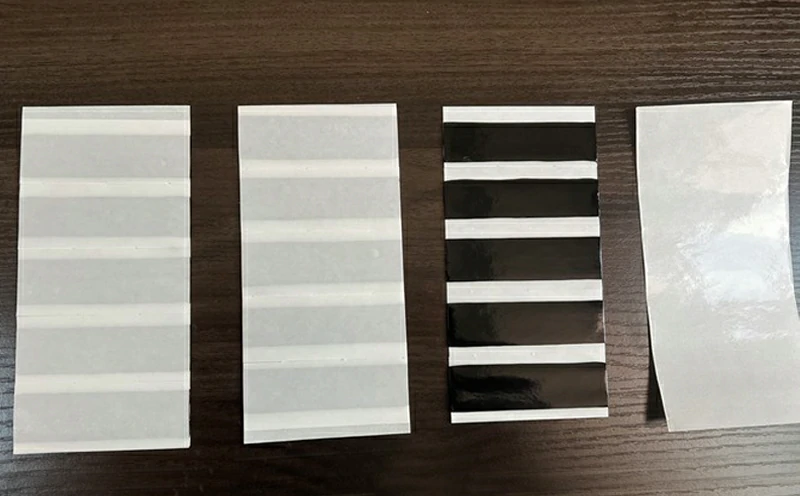
Your RC car’s polycarbonate body acts as a resonator, amplifying engine and exhaust sounds that would otherwise dissipate more quickly. Sound-dampening treatments applied to the interior surface significantly reduce this resonance effect, often delivering noticeable noise reduction with minimal weight addition.
Install Butyl Rubber Sound Deadening
Cut flexible butyl rubber lining material (available from automotive suppliers) to fit the interior body surfaces, pressing firmly into place. Focus on areas directly opposite the exhaust outlet and engine—these high-vibration zones benefit most from treatment. This material adds minimal weight while dramatically reducing resonance. Multiple thin applications outperform a single heavy coat, and allowing proper drying time ensures maximum effectiveness.
Maintain Your Engine for Optimal Quiet Operation
Neglected maintenance quickly transforms a quiet RC car into a noisy nuisance. Carbon buildup in the exhaust system creates restriction noise, while accumulated dirt in the air filter forces the engine to work harder, increasing vibration and combustion noise. Establish a regular maintenance schedule that includes:
- Cleaning or replacing the air filter after every 3-5 runs
- Inspecting and repacking the silencer when noise increases
- Checking engine mounting hardware for tightness
- Verifying proper needle settings before each run
After each session, wipe away fuel residue and debris that can accumulate around seals and joints. A clean engine runs more quietly and reliably than one coated in dried fuel and oil. Periodically clean carbon deposits from the exhaust header using a wire brush and appropriate solvent—this restores both performance and noise levels.
Verify Compliance with Local Regulations
Before making extensive modifications, research local regulations governing RC vehicle noise levels. Many communities have ordinances limiting noise from model vehicles, and most racing venues enforce strict decibel limits during competition. Understanding these requirements helps you select appropriate modifications and avoid potential conflicts.
When preparing for track days with noise requirements, test your vehicle under conditions similar to competition. If your vehicle approaches limits, focus on the most effective approaches—silencer upgrades and proper tuning typically yield the greatest noise reduction per dollar spent. Being a responsible RC enthusiast who respects community concerns helps preserve access to driving locations for everyone.
By implementing these strategic modifications in sequence, you can reduce your nitro RC car’s noise output by 10-15 decibels or more—transforming it from a neighborhood nuisance into a welcome presence at any RC gathering while maintaining the performance that makes nitro power so exciting. Start with silencer upgrades and proper tuning, then add vibration reduction and body treatments for the quietest possible operation that still delivers the thrilling nitro experience you love.