Hair tangled in your RC car wheels can transform a smooth run into a frustrating experience. Whether you’re racing on carpet, grass, or indoor surfaces, hair, string, and fibers inevitably wrap around wheels and axles, causing imbalance, reduced performance, and potential damage to your vehicle. This guide delivers practical solutions for removing hair from RC car wheels without damaging delicate components. By the time you finish reading, you’ll know exactly how to clear stubborn hair tangles in under 10 minutes and prevent future buildup that could ruin your next race.
Why Your RC Car Wheels Collect Hair During Operation
Your RC car wheels act like natural hair collectors during operation. As the vehicle moves across surfaces, carpet fibers, pet hair, grass clippings, and other fibrous materials get caught in the rotating wheels. The spinning motion causes these materials to wrap tightly around axles, suspension arms, and drive shafts with surprising force. This isn’t just a cosmetic issue—hair accumulation creates immediate performance problems that affect your vehicle’s handling and longevity.
When hair packs around wheel hubs and drive components, it adds uneven weight that causes vibration at high speeds. This vibration translates to unpredictable handling and reduced traction during critical maneuvers. More seriously, hair wrapped around drive shafts increases friction significantly, forcing your motor to work harder and draining battery power faster. In extreme cases, densely packed hair can overheat motors, strip gears, and cause permanent bearing damage. Regular hair removal isn’t just maintenance—it’s essential protection for your RC investment.
Locate Hair Collection Hotspots on Your RC Vehicle
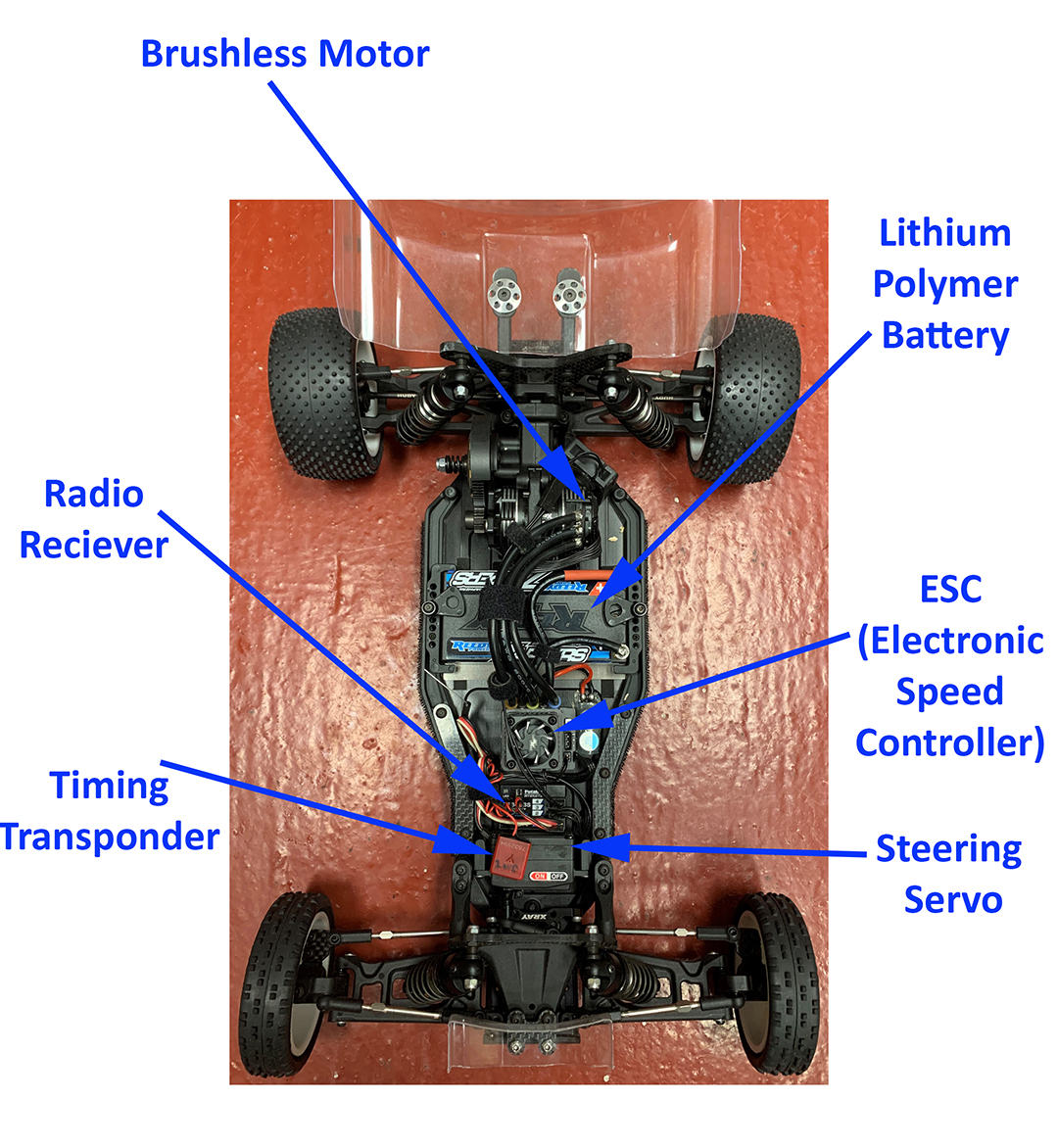
Before attempting removal, identify where hair accumulates on your specific RC model. Wheel hubs represent the most common trouble spot, especially on beadlock wheel designs where hair wedges between the tire and rim. Suspension arms near the wheels collect grass and fibers during outdoor runs, creating drag that affects steering response. Drive shafts and CV joints on all-wheel-drive models become hair magnets that directly impact drivetrain efficiency.
Shock absorbers near wheel wells collect debris that many beginners overlook during cleaning. This hidden buildup affects suspension performance and can cause binding during operation. After each run, particularly on carpet or grass surfaces, conduct a targeted inspection of these critical areas. Early detection makes hair removal significantly easier before fibers become tightly wound and matted against components.
What to Look for During Inspection
Check for visible strands protruding from wheel hubs and suspension points. Run your finger along drive shafts to feel for unusual texture changes indicating hidden buildup. Spin each wheel freely—resistance or roughness suggests hair wrapped around bearings. Look for discolored areas on metal components where hair has created friction points. Pay special attention to CV boots on AWD models, as hair penetration here causes the most expensive damage.
Gather the Right Tools for Hair Removal Success
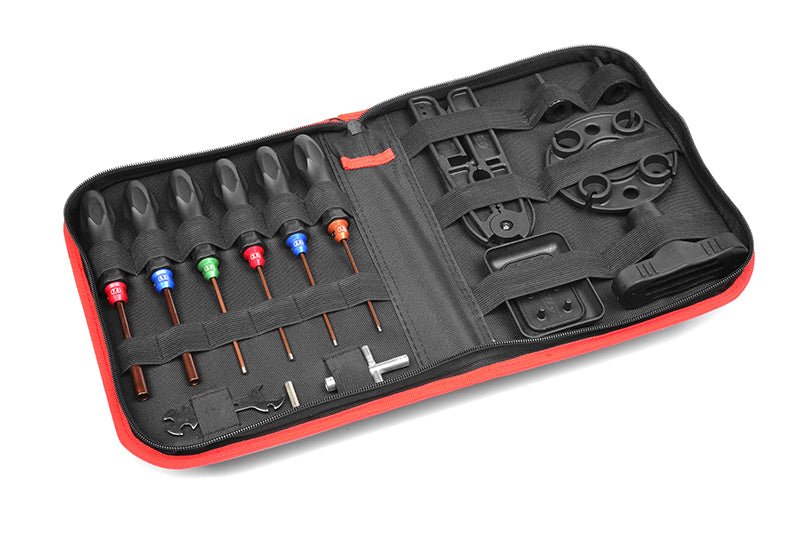
Using proper tools transforms hair removal from a frustrating chore into a five-minute maintenance task. Needle-nose pliers with fine tips reach into tight spaces to grip wrapped hair without scratching components. Precision tweezers work better than fingers for light accumulation around delicate suspension parts. Hemostats—available inexpensively at pharmacies—provide superior grip on tangled hair with their locking mechanism.
Compressed air quickly clears loose debris from wheel wells without disassembly. A stiff-bristled toothbrush or hobby brush dislodges packed material from hard-to-reach areas. Small scissors or diagonal cutters safely trim heavily matted hair before extraction. For persistent cases, dental picks work hair out from around axles without damaging bearings. Keep these tools organized in a dedicated RC maintenance kit for immediate access after each run.
Tool Alternatives for Beginners
Don’t have specialized tools? Use household items effectively. A straightened paperclip works as an improvised pick for light hair removal. An old credit card scrapes matted hair from flat surfaces without scratching. Nail clippers with fine points substitute for tweezers in a pinch. While not ideal, these alternatives get the job done until you invest in proper RC maintenance tools.
Step-by-Step Hair Removal Process for RC Wheels
Start by removing wheels from your RC car using the proper technique for your model’s hub design. Most vehicles use threaded wheel nuts or quick-release mechanisms—consult your manual to avoid stripping threads. With wheels free, examine hair accumulation closely before attempting removal. For light wrapping, grip the outermost strand with tweezers and pull steadily in the direction opposite wheel rotation—counterclockwise for forward motion.
Handling Tightly Wound Hair
When hair resists gentle pulling, switch to a more systematic approach. Use needle-nose pliers to grip the hair at its outer edge and pull steadily while rotating the wheel. If hair breaks, trim the tangled section with small scissors before continuing. Avoid aggressive yanking that could damage bearings or strip axle threads. After visible hair removal, check inside wheel rims with a flashlight—hair often hides between the tire bead and rim.
Critical Areas Requiring Extra Care
Drive shafts demand special attention during hair removal. Work from both ends toward the center to prevent pushing debris deeper into CV joints. For shafts with protective boots, carefully peel back the boot to access hidden hair without damaging the rubber. Suspension pivot points collect hair that affects steering precision—use compressed air followed by a small brush to clean these critical areas thoroughly.
Eliminate Stubborn Matted Hair Clusters
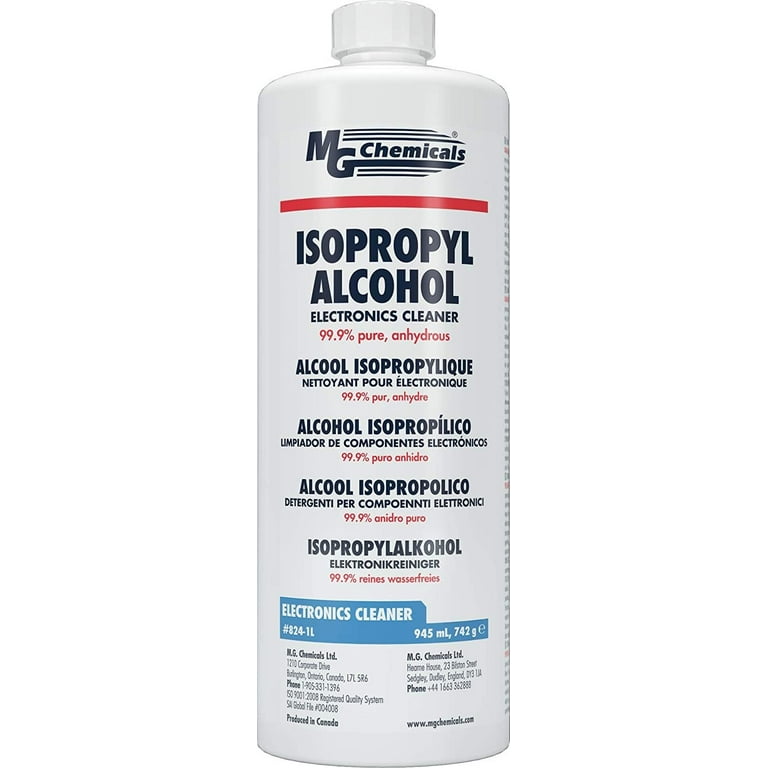
Matted hair that resists standard removal requires a different approach. Saturate the affected area with isopropyl alcohol using a cotton swab—this loosens fibers by breaking down oils and reducing friction. Wait thirty seconds for penetration before attempting removal. The alcohol evaporates quickly without leaving residue that attracts more debris.
Special Techniques for CV Joints
Hair packed into CV joints presents the toughest removal challenge. Use a dental pick to gently work fibers out from around the joint housing without disturbing seals. Apply alcohol directly into joint crevices using a precision applicator tip. If hair has penetrated the joint interior, professional cleaning may be necessary to prevent premature failure. Never force removal that could damage the joint’s internal components.
Deep Cleaning After Hair Removal
Complete maintenance extends beyond hair extraction to ensure optimal performance. Remove tires from wheels when possible—most RC tires separate with gentle twisting and pulling. Clean both tire interiors and wheel exteriors with mild soap and water, using an old toothbrush for stubborn residue. Pay special attention to beadlock rings where hair frequently hides.
Bearing Inspection and Maintenance
Hair wrapped around bearings causes the most serious long-term damage. Spin each bearing freely—if resistance or roughness remains after cleaning, replacement is necessary. Press bearings from hubs using a proper bearing press tool or appropriately sized sockets. Install new bearings with light lubrication to prevent future hair adhesion while maintaining smooth operation.
Prevent Future Hair Accumulation
Prevention reduces maintenance time significantly. Apply a thin coat of silicone-based lubricant to axles and drive shafts—this creates a surface that repels hair without attracting additional debris. Avoid petroleum-based lubricants that actually increase hair adhesion. Install model-specific wheel covers or mud flaps if available for your RC vehicle—they deflect debris before it reaches critical components.
Establish a post-run inspection routine taking just two minutes. Focus on wheel hubs, drive shafts, and suspension points where hair first appears. Immediate removal prevents most severe accumulation problems. For indoor carpet racing, run your vehicle on clean surfaces whenever possible and inspect more frequently than outdoor usage would require.
Recognize When Components Need Replacement
Hair damage sometimes requires component replacement rather than cleaning. Bearings that feel rough after thorough cleaning need immediate replacement—they won’t recover and will cause drivetrain damage. Drive shafts showing visible wear from hair abrasion should be replaced before failure during operation. CV boots torn during hair removal require replacement to prevent lubricant contamination.
Suspension arms scratched during aggressive removal may need replacement if structural integrity is compromised. Inspect these components carefully after using picks or sharp tools near delicate parts. When in doubt, consult your local RC shop—they can identify damage that might not be immediately obvious.
Implement a Maintenance Schedule
RC vehicles used frequently benefit from structured maintenance. After every two to three runs, perform a quick inspection focusing on hair collection points. Weekly maintenance should include complete wheel removal and thorough cleaning of all critical areas. Monthly maintenance requires comprehensive component inspection and bearing replacement if needed.
Competitive racers should perform hair checks between heats and after each race day. This investment in maintenance time pays dividends through consistent performance and reduced repair costs. Keep a small cleaning kit in your race bag for immediate post-run attention—preventing hair buildup takes less time than fixing damage later.
Final Tips for Hassle-Free RC Operation
Removing hair from RC car wheels becomes second nature with the right approach. Regular inspection, prompt removal, and preventive measures keep your vehicle performing optimally. The five minutes spent on maintenance after each run saves hours of repair work and extends your RC investment’s lifespan. Make wheel cleaning part of your standard routine, and hair accumulation will remain a minor inconvenience rather than a performance-killing problem. Remember that consistent, small maintenance efforts prevent the major headaches that sideline serious RC enthusiasts—keep your tools handy and your wheels clean for uninterrupted racing enjoyment.