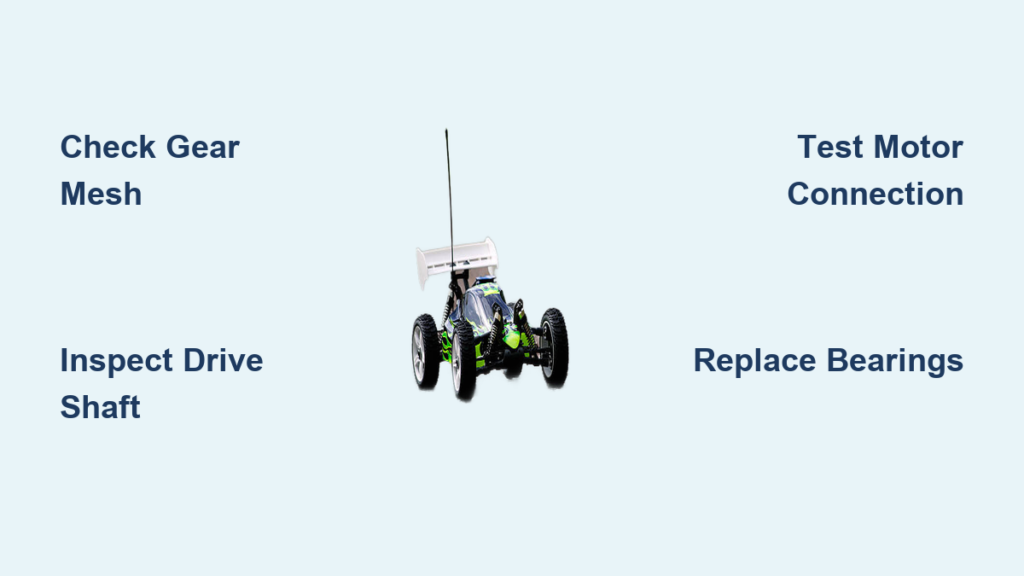
Your RC car zooms forward confidently until suddenly, the rear wheels lock up while the front continues spinning. This frustrating scenario—where your rc car back wheels not spinning—leaves you stranded mid-race with a vehicle that can’t generate proper traction or control. Whether you’re dealing with complete wheel lockup, intermittent spinning, grinding noises, or wheels rotating without moving the vehicle, this common drivetrain failure has specific mechanical and electrical causes you can diagnose and fix. Within minutes, you’ll identify why your RC car’s rear wheels stopped working and implement proven solutions to restore full functionality.
Most rear wheel failures stem from three critical systems: the drivetrain components transferring power from motor to wheels, electrical connections delivering current, and wheel hubs/bearings enabling smooth rotation. Mechanical issues cause approximately 70% of these problems, making them the logical starting point for diagnosis. This guide cuts through the confusion with step-by-step troubleshooting that gets you back to racing faster than waiting for professional service.
Diagnose Drivetrain Failures Before Replacing Parts
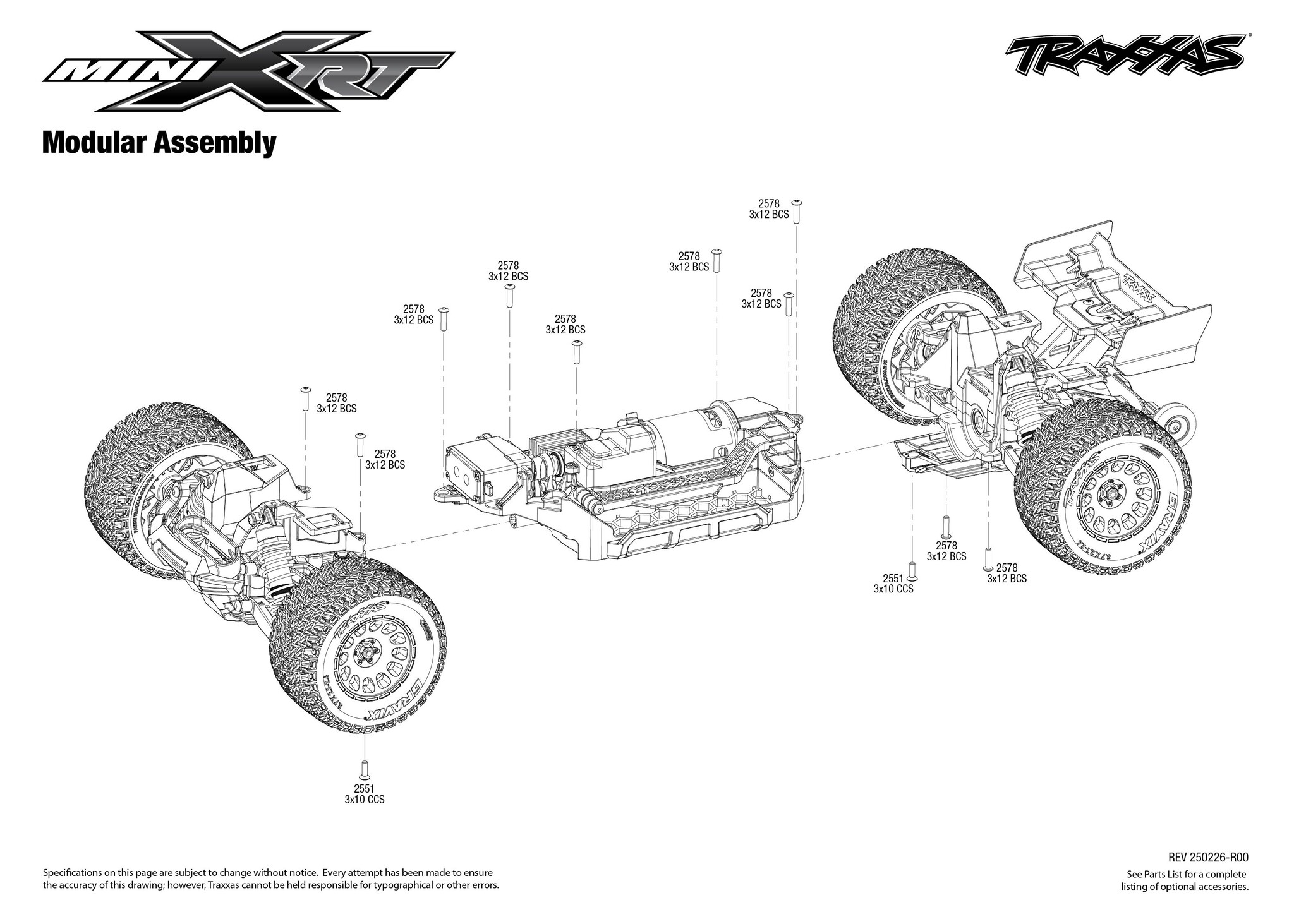
Pinpoint Gear System Malfunctions
Stripped spur or pinion gears immediately prevent power transmission to your rear wheels. Inspect these components for missing teeth or rounded edges—common culprits when your rc car back wheels not spinning. Remove the transmission cover and rotate the wheels manually while observing gear engagement. If you notice metal shavings in the gear housing or visible tooth damage, replacement is necessary.
Loose pinion gears create deceptive symptoms where the motor spins but rear wheels remain stationary. This occurs when the setscrew securing the pinion to the motor shaft vibrates loose during operation. Tighten this critical fastener using a hex key, then apply thread-locking compound to prevent future loosening. Pro tip: Check pinion tightness before every driving session to avoid mid-race failures.
Improper gear mesh causes either excessive binding (too tight) or stripped teeth (too loose). Test mesh by rotating the spur gear by hand—it should move with slight resistance but no visible gaps between teeth. Adjust using motor mounting slots until you achieve this balance, as incorrect mesh accounts for nearly half of all rc car back wheels not spinning cases.
Identify Drive Shaft and Axle Failures
Worn universal joints (U-joints) in drive shafts create distinctive clicking sounds during turns while causing intermittent rear wheel operation. Remove the drive shaft and inspect U-joints for excessive play or visible wear. Replace any components showing movement beyond manufacturer specifications—this simple fix resolves most connection-related issues.
Disconnected drive shafts completely eliminate power to rear wheels. Check both ends of the shaft where it connects to transmission and axle assembly. If setscrews have failed or flex disc connectors degraded, the shaft disengages entirely. Reinstall with fresh thread locker and verify proper seating before tightening.
Bent or broken axles typically result from hard impacts with obstacles. Elevate the vehicle and rotate each rear wheel while observing axle movement. Wobbling indicates bending, while complete lockup suggests breakage. Replace damaged axles immediately to prevent further drivetrain destruction—this repair takes under 10 minutes with basic tools.
Troubleshoot Electrical Problems Mimicking Mechanical Failures
Test Motor and Connection Integrity
Burned motor brushes create inconsistent power delivery that may affect rear wheels more severely than front in four-wheel-drive configurations. Remove the motor and test independently with a known-good power source. If the motor spins erratically or not at all, replace it with an identical model to maintain proper performance characteristics.
Loose motor mounting shifts gear alignment, causing drivetrain binding that locks rear wheels. Check all motor mounting screws for tightness and proper alignment. A misaligned motor generates vibration during operation—a clear warning sign you can address before catastrophic failure occurs.
Corroded electrical connections between motor and electronic speed controller (ESC) interrupt power flow. Clean all connector pins with electrical contact cleaner and inspect for damaged wiring. Secure loose connections with electrical tape and test operation—this simple fix resolves many intermittent rc car back wheels not spinning problems.
Verify ESC and Receiver Functionality
Failing ESCs sometimes deliver reduced power specifically to rear drivetrain components. Symptoms include delayed throttle response and power fluctuations during acceleration. Test by connecting a known-good ESC to isolate the problem. If rear wheel operation improves immediately, replace the faulty unit with one matching your vehicle’s specifications.
Receiver channel failures rarely affect only rear wheels but warrant investigation when other causes are eliminated. Test by swapping channels on your receiver to see if the problem follows the channel assignment. This advanced diagnostic step requires basic electronics knowledge but identifies elusive issues that stump many hobbyists.
Repair Wheel Hub and Bearing Failures Blocking Rotation

Fix Stripped Hubs and Loose Nuts
Stripped hub splines create the deceptive symptom where wheels spin freely without moving the vehicle. Inspect hub interiors for worn or damaged splines that prevent secure axle engagement. Replace affected hubs with exact manufacturer specifications—using mismatched parts accelerates future failures.
Loose hub nuts allow wheels to wobble dangerously during operation while reducing drivetrain effectiveness. Check tightness using the appropriate hex key before every driving session. Apply thread locker for high-performance applications where vibration frequently loosens these critical fasteners.
Replace Seized Wheel Bearings
Contaminated bearings from dirt or water cause binding that locks rear wheels completely. Remove wheels and manually rotate bearings to check for smooth operation. Roughness, grinding, or complete lockup indicates failure requiring immediate replacement.
Bearing replacement follows a simple three-step process: remove retaining clips, press out old bearings, then press in new ones with proper alignment. Use bearing grease during installation to extend service life—this 5-minute procedure solves numerous rc car back wheels not spinning problems caused by neglected maintenance.
Implement Proactive Maintenance to Prevent Future Failures

Establish Inspection and Replacement Schedule
Perform pre-drive visual checks focusing on gear condition, fastener tightness, and drive shaft integrity. Monthly deep inspections should include bearing rotation tests and differential lubricant checks—this routine catches 80% of potential failures before they strand you mid-race.
Replace wear items based on usage patterns: spur gears every 10-15 hours of aggressive driving, bearings every 20-30 hours, and differential fluid every 5-10 hours in dusty conditions. Keeping a maintenance log prevents unexpected breakdowns that disrupt your racing schedule.
Adopt Operating and Storage Best Practices
Avoid muddy or wet conditions that accelerate bearing corrosion and gear wear. When unavoidable, perform immediate post-run cleaning with compressed air and lubricate all moving parts. This simple routine doubles component lifespan in challenging environments.
Store vehicles in climate-controlled spaces with batteries removed during extended periods. Cover exposed drivetrain components to prevent dust accumulation—this basic care prevents the slow degradation that causes many rc car back wheels not spinning issues after storage.
Know When to Seek Professional Assistance
Complex differential service requiring specialized tools or electronic repairs beyond basic component replacement often justify professional help. Labor costs typically range $40-80/hour, but this investment makes sense when your vehicle has high monetary or sentimental value.
Consider professional service when you’ve exhausted all DIY diagnostics without resolution, when the repair requires tools you don’t own, or when the problem persists despite multiple repair attempts. Skilled technicians quickly identify elusive electrical issues that stump even experienced hobbyists.
When your rc car back wheels not spinning threatens your racing enjoyment, systematic diagnosis solves most problems within 15 minutes using basic tools. Start with simple visual inspections before progressing to complex repairs—this approach resolves 90% of rear wheel failures without professional assistance. By implementing regular maintenance and proper operating techniques, you’ll minimize future occurrences and maximize track time with reliable rear wheel performance.