Picture this: you’re cruising your RC car across an open field, pushing it further than ever before, when suddenly it veers off course and stops responding. You’ve just hit the range limit—a frustrating experience that leaves you wondering how far can an RC car go before losing signal. The truth is, RC car range varies dramatically based on multiple factors, from the vehicle’s classification to environmental conditions. Most toy models barely reach the end of your driveway, while high-end hobby vehicles can maintain control across an entire football field. Understanding these range limitations prevents frustration and helps you select the right RC car for your intended use.
If you’ve ever lost an RC car because it traveled beyond your control range, you know how critical this knowledge is. Many beginners assume all RC cars perform similarly, but the difference between a $30 toy and a $500 hobby-grade model can mean the difference between 50 feet and 1,000 feet of reliable control. This guide reveals exactly what determines how far your RC car can go and provides practical strategies to maximize your vehicle’s range capabilities.
Toy-Grade RC Car Range Limitations
Toy-grade RC cars found at big-box retailers typically deliver the shortest operational range in the RC world. These vehicles often use basic AM or older FM radio technology with low-power transmitters and inadequate antenna systems. Most toy models maintain reliable control within just 50 to 100 feet under ideal conditions. Beyond this distance, interference becomes common, causing erratic movements or complete signal loss.
Why Toy Models Struggle with Distance
The plastic construction and inexpensive electronics in toy-grade RC cars degrade quickly with use, further reducing range over time. When you ask how far can a RC car go in this category, the answer rarely exceeds 100 feet before control becomes unreliable. If you plan to drive in larger spaces or outdoor environments, toy-grade vehicles will likely disappoint you with their limited range capabilities.
Realistic Expectations for Casual Use
For indoor play or small backyard use, toy-grade RC cars provide adequate range. However, don’t expect to push these vehicles across large fields or parking lots—they simply aren’t engineered for that performance level. If consistent long-range operation matters to you, consider upgrading to hobby-grade equipment where how far can an RC car go becomes a much more impressive figure.
Hobby-Grade RC Cars: The Range Sweet Spot
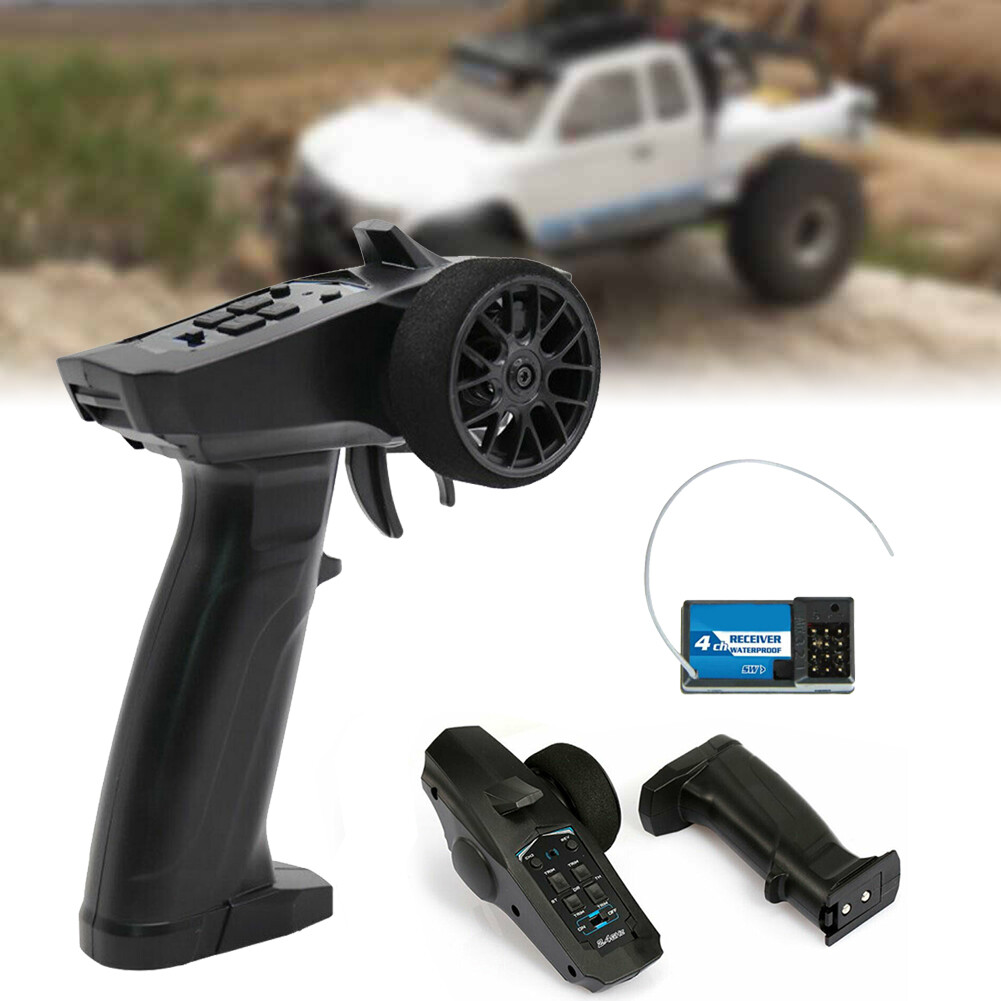
Hobby-grade RC cars deliver significantly better range performance than toy models, making them the ideal choice for serious enthusiasts. These vehicles typically use 2.4GHz spread spectrum technology with sophisticated transmitters that maintain stable signals across greater distances.
Typical Hobby-Grade Range Performance
Most quality hobby-grade RC cars provide reliable control between 200 and 500 feet under normal conditions. Premium models with optimized radio systems can reach 1,000 feet or more when operating in open areas with clear line-of-sight. The 2.4GHz frequency automatically finds clear channels and resists interference from other devices, dramatically improving both range and reliability compared to older technologies.
Key Factors That Extend Hobby-Grade Range
Several elements determine exactly how far your hobby-grade RC car can go:
– Transmitter power: Higher-quality transmitters deliver stronger signals
– Antenna positioning: Properly oriented antennas maximize signal capture
– Battery condition: Fresh batteries maintain optimal transmitter power
– Environmental conditions: Open spaces without obstructions maximize range
When these factors align, hobby-grade RC cars deliver the consistent long-range performance that keeps drivers engaged without constant signal dropouts.
Professional RC Vehicles: Pushing Range Limits
Professional and competition-grade RC cars represent the pinnacle of range performance for consumer vehicles. These machines feature high-gain antennas, powerful transmitters, and ultra-sensitive receivers designed for maximum operational distance.
Maximum Achievable Range
Under perfect conditions with clear line-of-sight, professional RC cars can maintain control at distances exceeding 1,500 feet. However, racing organizations typically limit practical range to what’s visible to the driver, as losing sight of your vehicle makes controlled driving impossible regardless of radio capability.
Range Versus Responsiveness Trade-Off
Professional setups prioritize low latency alongside range, ensuring steering inputs register instantly even at distance. For competitive use, this balance between range and response time proves more valuable than maximum reach alone. When considering how far can an RC car go in professional applications, remember that visible control matters more than theoretical maximum range.
Critical Factors That Determine RC Range
Multiple interconnected elements influence exactly how far your RC car can go before losing signal. Understanding these factors helps maximize performance and diagnose problems when range seems to decrease unexpectedly.
Transmitter Technology and Power Output
The transmitter serves as your RC system’s command center, with power output directly correlating to maximum range. Most consumer RC transmitters operate within regulatory limits (typically 100 milliwatts for 2.4GHz systems), providing adequate range while complying with communications regulations. Modern 2.4GHz spread spectrum systems automatically hop between frequencies to maintain clean signals, dramatically improving range over older AM or FM technology.
Pro Tip: If your RC car uses an older frequency system, upgrading to 2.4GHz often doubles your effective range while eliminating interference issues.
Receiver Sensitivity and Antenna Design
Receiver sensitivity determines how weak a signal the unit can still interpret correctly, with higher sensitivity translating to longer effective range. Antenna design critically impacts performance—longer antennas capture more signal, while proper vertical orientation maximizes reception quality. Many hobbyists discover that simply extending a shortened antenna or repositioning the receiver inside the chassis improves range significantly.
Battery Health and Voltage Stability
Your RC car’s battery affects range in crucial ways. As batteries discharge, their voltage drops, causing the receiver and transmitter to operate at reduced power. A fully charged battery delivers more robust signal transmission than one nearing depletion. Lithium polymer batteries typically maintain more consistent voltage throughout their discharge curve, helping maintain stable signal strength longer into the run. Aged batteries with degraded cells often can’t deliver the peak currents needed for optimal transmitter performance.
Environmental Factors That Limit Range
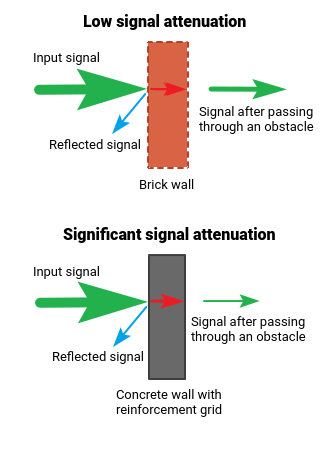
Where you drive your RC car significantly affects how far it can go while maintaining reliable control. Understanding these environmental impacts helps set realistic expectations.
Open Field Versus Obstructed Environments
Driving in open fields provides ideal conditions for maximum range, with clear line-of-sight allowing radio signals to travel unimpeded. Expect to achieve or exceed your RC car’s rated maximum range in these environments. However, driving near buildings, between vehicles, or under decks creates radio shadows where signals cannot reach reliably. Concrete walls, metal surfaces, and dense vegetation all absorb or reflect radio waves, creating unexpected dead zones.
Weather Conditions and Range Impact
Weather affects radio signal propagation more than many realize. High humidity, rain, and heavy cloud cover can attenuate radio signals, potentially reducing effective range by 10-20% or more. Extreme temperatures also impact battery performance—cold reduces current delivery while heat can cause electronics to malfunction. For consistent range performance, moderate weather conditions with low humidity provide optimal results.
Practical Steps to Maximize Your RC Car’s Range
You can extract every foot of usable range from your RC car with these proven techniques:
Optimize Antenna Positioning
Position the receiver antenna to have a clear path through the chassis, ideally extending vertically with no sharp bends. Avoid tucking antennas against carbon fiber or metal components that block radio waves. Fully extend your transmitter antenna—compact transmitters with telescoping antennas must be pulled out to full length for optimal performance.
Maintain Clean Electrical Connections
Regularly inspect all connections for oxidation, looseness, or damage. Clean connectors with electrical contact cleaner and ensure they’re firmly seated. Poor connections can starve the receiver of power during acceleration peaks, causing glitchy behavior at ranges well below your system’s capability.
Keep Firmware Updated
Check the manufacturer’s website periodically for firmware updates that improve performance, including range and signal reliability. Using genuine replacement parts designed for your specific model maintains performance integrity that questionable aftermarket parts often compromise.
Choosing an RC Car Based on Your Range Needs
Selecting the right RC car for your intended use prevents frustration and ensures satisfying experiences:
Backyard and Indoor Use Requirements
If driving primarily in a backyard, driveway, or indoor space, extreme range isn’t necessary. Focus instead on durability, appropriate speed for the space, and features matching your budget. A vehicle with 100 feet of range works perfectly for these environments.
Large Field and Track Considerations
For large fields, empty parking lots, or dedicated RC tracks, prioritize hobby-grade equipment with rated ranges of 300+ feet. Choose vehicles with bright colors or LED systems that remain visible at distance—line-of-sight becomes the practical limitation at these ranges.
When you understand how far can an RC car go under various conditions, you’ll set realistic expectations and enjoy your hobby without frustrating range-related surprises. By selecting the appropriate vehicle category for your needs and implementing these range-maximizing techniques, you’ll keep your RC car under control exactly as far as you need it to go.