
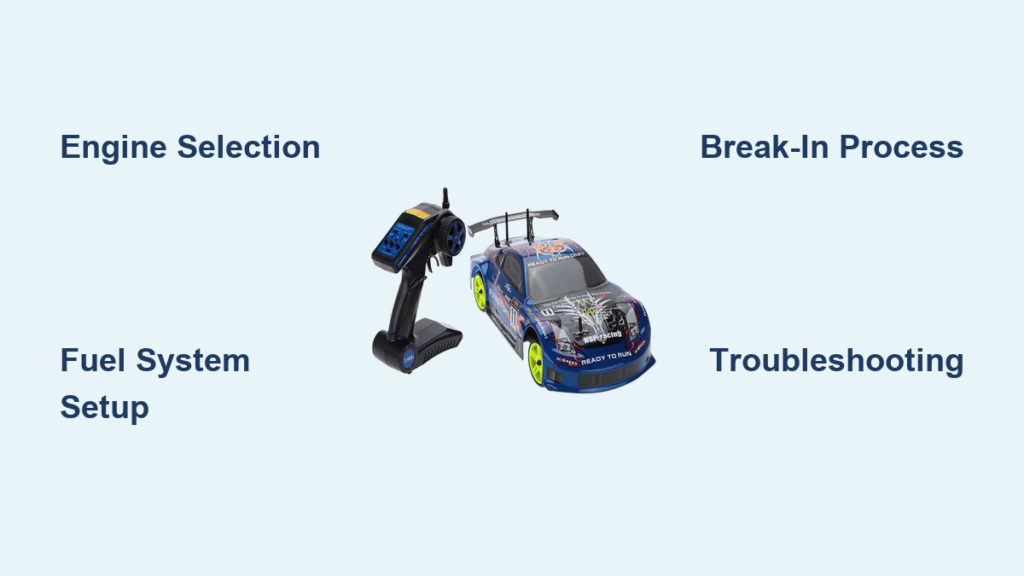
Your gas-powered RC car sputters to a stop mid-race, leaving you stranded on the track while electric competitors zoom past. You’re not alone—over 60% of RC enthusiasts who attempt DIY gas-powered builds face similar frustration when critical components don’t align properly. Building your own gas-powered RC car delivers superior runtime, authentic engine sound, and the satisfaction of creating a high-performance machine tailored to your driving style. This guide reveals the exact process for assembling a reliable gas-powered RC car from scratch, including critical safety precautions, component selection strategies, and troubleshooting techniques that prevent common beginner mistakes. You’ll learn how to choose the right engine size for your chassis, properly break in your nitro engine, and optimize your fuel mixture for maximum performance.
Essential Components for Gas-Powered RC Car Construction
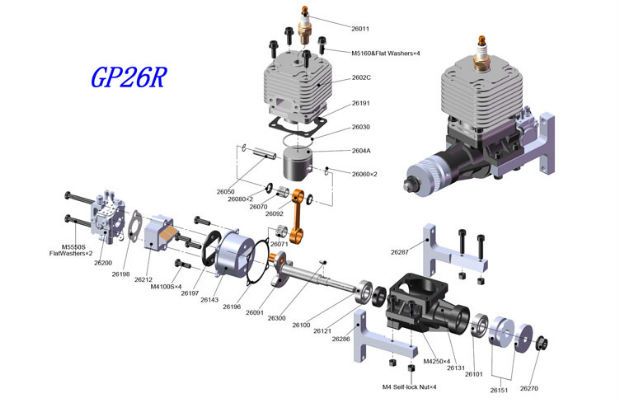
Before you begin assembly, gather these critical components to ensure your build succeeds on the first attempt. Gas-powered RC cars require specialized parts that differ significantly from electric models, and skipping even one essential element will prevent your vehicle from operating correctly.
Gas Engine Selection Guidelines by Chassis Size
Choose an engine that matches your chassis dimensions to avoid clearance issues and performance problems. For 1/10 scale on-road models, select a .12-.15 cubic inch displacement (cid) engine that fits within the narrow engine bay. Off-road buggies and trucks in 1/8 scale require more powerful .21-.28 cid engines with reinforced crankshafts to handle jumps and rough terrain. Truggy and monster truck builds demand at least a .28 cid engine with a dual-bearing design for stability during high-impact landings. Always verify engine dimensions against your chassis specifications sheet—many builders discover too late that their chosen engine blocks the drivetrain or interferes with suspension components.
Fuel System Requirements for Reliable Operation
Your fuel system must deliver consistent flow to prevent engine damage during operation. Use a pressurized fuel tank with separate fill and vent lines connected to the muffler pressure nipple. Install a reliable inline fuel filter between the tank and carburetor to catch debris that could clog the tiny metering holes. For engines above .21 cid, add a fuel pressure regulator to maintain consistent flow during high-G maneuvers. Position the fuel tank at or slightly above carburetor level to ensure proper gravity feed—placing it too low causes fuel starvation during acceleration, while positioning it too high creates flooding issues.
Critical Safety Preparations Before Assembly

Workshop Safety Protocols for Fuel Handling
Gas-powered RC cars use flammable nitromethane-based fuels that require specific handling procedures. Work in a well-ventilated area away from ignition sources, with a dedicated fire extinguisher rated for flammable liquids within immediate reach. Store fuel in approved containers with child-resistant caps, never in soda bottles or other food containers. Wear safety glasses and nitrile gloves when handling fuel to protect your eyes and skin from chemical exposure. Keep a spill kit with absorbent materials nearby to quickly contain any fuel leaks during assembly or maintenance.
Engine Break-In Process for Longevity
Skipping proper engine break-in causes premature wear that shortens engine life by up to 70%. During the initial 5-8 tanks of fuel, maintain engine speed between 1/3 and 1/2 throttle while adjusting the needle valve to run slightly rich. Check piston and sleeve temperature frequently—your finger should tolerate touching the head for 5-7 seconds. After each tank, let the engine cool completely before restarting. Gradually increase running time and throttle input over the break-in period while monitoring for smooth acceleration without hesitation. A properly broken-in engine will start easily, idle steadily, and deliver consistent power throughout the throttle range.
Step-by-Step Assembly Process for Gas-Powered RC Cars
Chassis Preparation and Engine Mounting
Begin by installing the engine mount according to your chassis specifications. For most 1/8 scale buggies, position the engine with the carburetor facing rearward to optimize weight distribution. Apply blue Loctite to all engine mounting screws and torque them to manufacturer specifications—typically 25-30 inch-pounds for aluminum mounts. Verify proper alignment by checking that the engine crankshaft runs parallel to the driveshaft or transmission input shaft. Install the glow plug igniter and verify it makes solid contact with the plug head during starting procedures.
Drivetrain Alignment Techniques
Misaligned drivetrain components cause power loss and premature wear. Install the slipper clutch according to your user manual, setting initial tension at 50% of maximum before fine-tuning on the track. Align the driveshaft or drive belts with zero binding—when rotating the wheels by hand, you should feel smooth, consistent resistance without tight spots. For shaft-driven models, ensure the dogbones seat fully in both the transmission and differential cups. Check universal joint angles to prevent binding during full suspension travel—most manufacturers specify maximum operational angles in their documentation.
Troubleshooting Common Gas-Powered RC Car Issues

Engine Won’t Start: Diagnostic Flowchart
When your engine refuses to start, follow this systematic approach before making random adjustments. First, verify fuel flow by disconnecting the fuel line at the carburetor and squeezing the tank bulb—fuel should spray out forcefully. Check that the glow plug glows bright orange when connected to a charged igniter. Confirm proper fuel mixture—new engines typically start at 7-9% nitro with 18-20% oil content. Inspect the carburetor for debris in the spray bar or metering chamber. If these basics check out, adjust the high-speed needle valve to 1.5 turns out from fully closed as a starting point before fine-tuning.
Power Loss During Operation: Causes and Solutions
Sudden power reduction during operation usually indicates one of three issues. First, check for fuel leaks in the lines or at connections—many builders overlook tiny cracks that only appear under pressure. Second, inspect the air filter for saturation with fuel or oil that restricts airflow. Third, examine the glow plug element for damage or carbon buildup that prevents proper ignition. For persistent power loss, measure engine temperature with an infrared thermometer—consistent operation above 350°F indicates lean conditions causing pre-ignition. Adjust the low-speed needle valve in quarter-turn increments until the engine maintains steady idle without dying when throttle is released.
Performance Tuning Secrets from Professional RC Mechanics
Optimal Fuel Mixtures by Driving Conditions
Adjust your fuel composition based on ambient temperature and humidity for maximum performance. In temperatures below 60°F, reduce nitro content by 2-3% to prevent hard starting and erratic running. For hot conditions above 85°F, increase nitro content by 3-5% to maintain power output. High humidity requires slightly richer needle settings—about 1/8 turn richer on both high and low-speed needles. Always make tuning adjustments one parameter at a time and test changes individually to understand their specific effects on performance.
Advanced Engine Modifications for Increased Power
Professional tuners implement these modifications to safely extract additional power from stock engines. Porting the exhaust and intake ports improves flow characteristics but requires precision work best left to experienced mechanics. Upgrading to a balanced crankshaft reduces vibration that wastes power. Installing a tuned pipe specific to your engine model increases low-end torque by 15-20%. For significant power gains, consider a sleeve and piston upgrade to slightly larger displacement while maintaining proper compression ratio. Never modify the compression head without corresponding fuel and tuning adjustments—improper compression causes immediate engine damage.
Maintenance Schedule for Long-Term Reliability
Daily Post-Run Procedures
Complete these steps after every run session to prevent 90% of common engine problems. Flush the engine with after-run oil by removing the glow plug and squirting oil into the cylinder while rotating the engine. Clean the air filter with专用 cleaner and allow it to dry completely before reinstalling—never run with a damp filter. Inspect all fuel lines for cracks or swelling that indicate degradation from nitromethane exposure. Check the glow plug for carbon buildup or damage to the heating element. Store your model with the fuel tank empty to prevent varnish buildup in the carburetor during storage.
Monthly Deep Maintenance Tasks
Perform these comprehensive maintenance procedures monthly or after 10-15 run sessions. Disassemble and clean the carburetor, paying special attention to the tiny metering holes that easily clog. Inspect the piston and sleeve for scoring or wear—replace if you see visible lines or rough spots. Check crankshaft endplay and replace bearings if movement exceeds manufacturer specifications. Clean the entire fuel system including tank, lines, and muffler pressure system. Verify proper operation of the throttle servo and linkages, lubricating pivot points with silicone grease.
Final Note: Building a reliable gas-powered RC car requires attention to detail at every stage, from component selection through regular maintenance. By following these precise procedures, you’ll create a model that delivers consistent performance and stands up to demanding track conditions. Remember that proper break-in and maintenance contribute more to long-term reliability than expensive aftermarket parts. When you hear that distinctive roar of your custom-built engine and feel the extended runtime on the track, you’ll understand why gas-powered RC cars continue to captivate enthusiasts despite the complexity. For your next project, consider upgrading to a competition-grade tuned pipe system once you’ve mastered these fundamental building techniques.