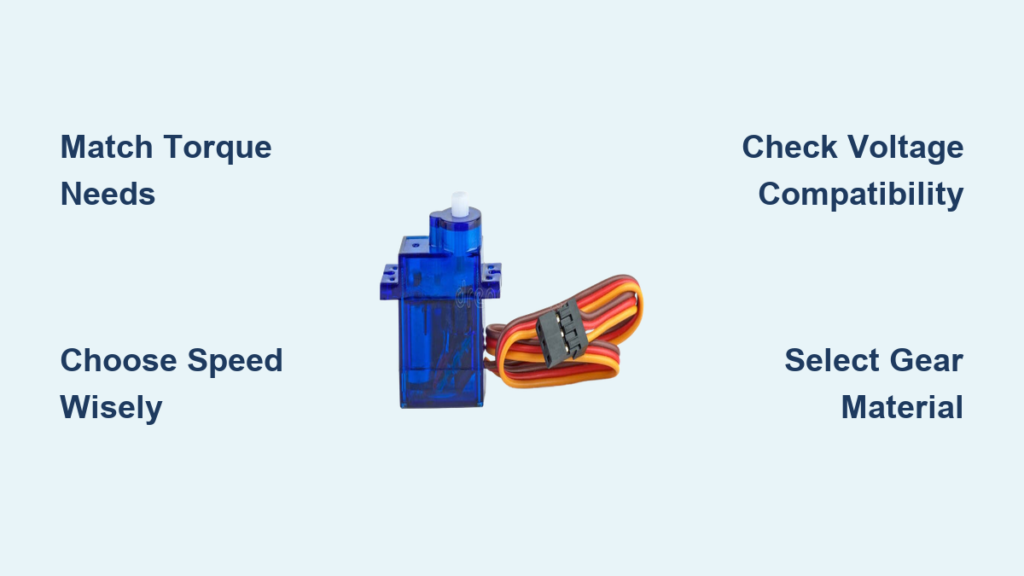
Your RC car’s steering responsiveness lives and dies by the servo you choose. When that critical moment arrives—navigating a tight corner at speed or maintaining precise control while crawling over rocks—the right servo means the difference between victory and disaster. Many beginners make the costly mistake of grabbing whatever servo is cheapest or most available, only to discover sluggish response or premature failure during their first serious run. The reality is simple: understanding how to choose servo for rc car properly will transform your driving experience while saving you money in the long run.
This guide cuts through the marketing hype to deliver exactly what you need to know when selecting your next RC car servo. We’ll break down torque requirements for different vehicle types, explain why speed specifications matter more than you think, and reveal the gear material trade-offs most manufacturers won’t tell you about. By the time you finish reading, you’ll confidently select the perfect servo for your specific RC car without wasting money on features you don’t need.
Torque Requirements: Matching Power to Your RC Car’s Needs
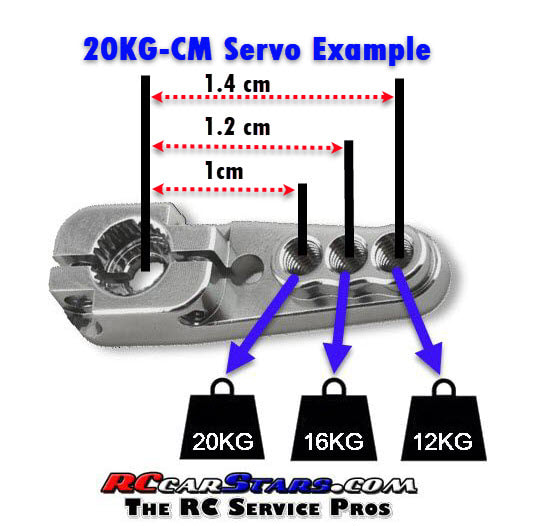
Torque represents the rotational force your servo can generate, measured in ounce-inches (oz-in) or kilogram-centimeters (kg-cm). This specification directly determines whether your steering will feel crisp and responsive or sluggish and unresponsive. Most beginners don’t realize that inadequate torque causes more steering problems than any other factor.
For standard 1:10 scale buggies or trucks with stock tires, a servo delivering 150-200 oz-in provides ideal performance. These vehicles don’t require extreme power but benefit from responsive steering that reacts instantly to your inputs. If your RC car came with a stock servo rated around 120 oz-in and you notice hesitation when turning, upgrading to a 180 oz-in unit will dramatically improve handling without breaking the bank.
Rock crawlers and vehicles with oversized tires demand serious torque. When you install tires larger than factory specifications, you’re essentially multiplying the force required to turn each wheel. A 1:10 scale crawler navigating technical terrain needs at least 250-300 oz-in to maintain steering control on steep inclines. Serious crawlers running 5+ inch tires often require 400+ oz-in servos to prevent “steering fade” when the vehicle encounters resistance.
Don’t fall for the “more torque is always better” myth. An excessively powerful servo strains your steering components, potentially stripping threads on ball links or cracking servo saver mounts. It also drains your receiver battery faster, reducing runtime. Match torque to your actual needs—your wallet and your RC car will thank you.
Speed Specifications: Why Response Time Makes or Breaks Performance
Servo speed, measured as the time (in seconds) required to move through a 60-degree arc, determines how quickly your steering responds to transmitter inputs. This specification separates decent servos from truly exceptional ones, yet many beginners overlook its importance.
Racers need lightning-fast response. Competitive drivers benefit from servos rated at 0.08-0.12 seconds, where steering inputs translate to wheel movement almost instantaneously. When threading through a technical section at race speed, those extra milliseconds mean the difference between cleanly navigating a chicane and crashing into the barrier. Top-tier race servos achieve these speeds through advanced motor designs and lightweight internal components.
Casual bashers should prioritize smoothness over raw speed. A servo rated at 0.15-0.20 seconds provides ample response for recreational driving while delivering a more predictable steering feel. Extremely fast servos can make low-speed control challenging, causing oversteer during casual runs. If you’re new to RC driving, starting with a moderately fast servo helps develop proper control inputs before moving to race-spec units.
Warning: High-speed servos demand robust power systems. A servo operating at 0.09 seconds draws significantly more current than one at 0.20 seconds, especially when running at high voltage. Ensure your receiver battery or BEC (Battery Eliminator Circuit) can handle the current demand—otherwise, you’ll experience voltage sag that causes erratic steering behavior.
Voltage Compatibility: Avoiding Costly Power Mismatches

Your RC car’s power system directly impacts servo performance, yet many users connect servos without checking voltage compatibility—often with disastrous results.
Standard servos operate between 4.8V-6.0V, matching the output of traditional 5-cell NiMH receiver batteries. Running these units at higher voltages—like connecting directly to a 7.4V 2S LiPo pack—will quickly destroy the servo’s electronics. If your RC car uses a standard receiver battery, stick with servos rated for 6.0V maximum.
High-voltage (HV) servos unlock performance with modern power systems. Designed for 6.6V-8.4V input, these units take full advantage of 2S LiPo receiver batteries without requiring voltage regulation. The result? Increased torque (up to 25% more) and faster response times compared to the same servo running at 6.0V. If your RC car uses a 2S LiPo for receiver power, HV servos represent the smart performance upgrade.
Never assume voltage compatibility. Check the servo specifications sheet before installation—don’t rely on marketing claims alone. A single instance of overvoltage can fry the control circuitry beyond repair. When in doubt, use a voltage regulator between your receiver battery and servo.
Gear Material: Plastic vs. Metal—The Durability Trade-Off
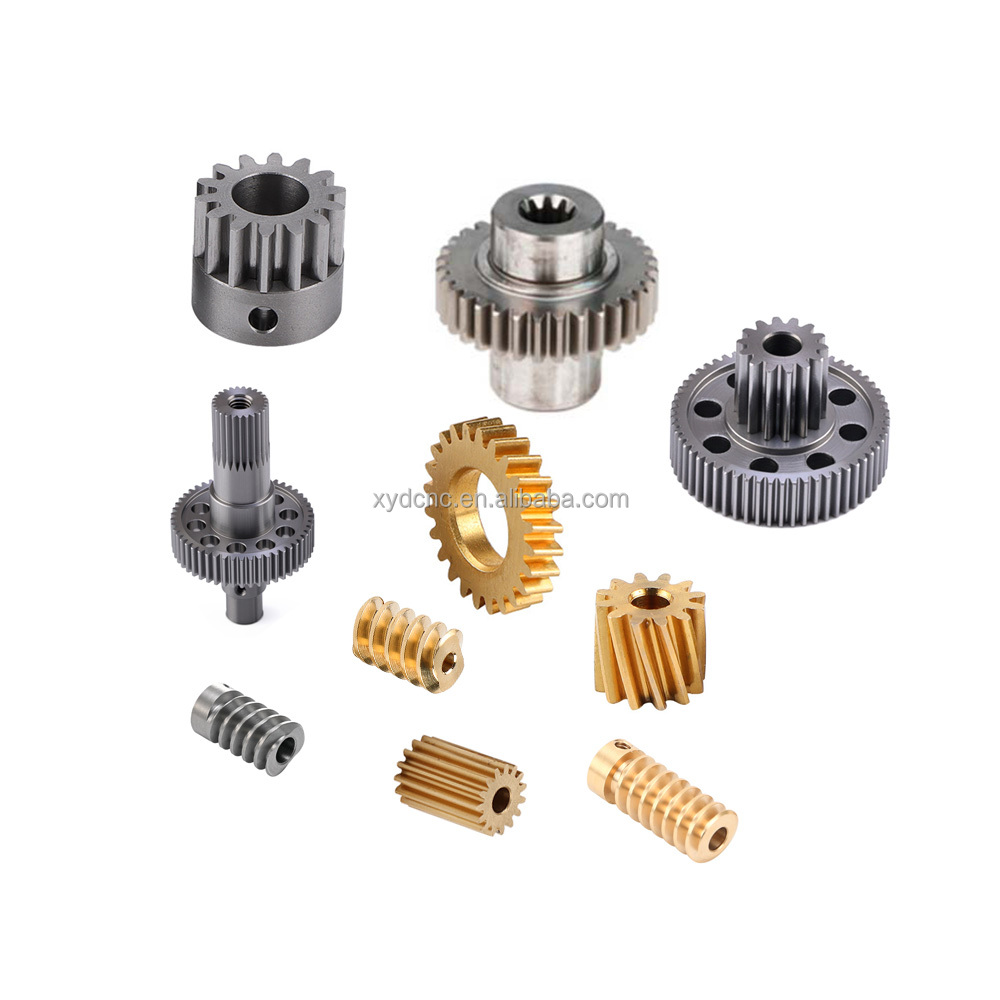
The gears inside your servo determine how long it will survive the rigors of RC driving. Understanding the pros and cons of different gear materials prevents premature failure and costly replacements.
Plastic gears offer surprising durability for casual use. Modern nylon composites handle 200+ oz-in of torque while providing “sacrificial failure”—when they strip, they typically do so without damaging other components. Plastic-gear servos weigh less (improving weight distribution) and cost significantly less than metal alternatives. For beginners and bashers who occasionally crash, plastic gears represent excellent value.
Metal gears deliver serious durability for serious driving. Brass gears provide a middle ground—more durable than plastic but less expensive than titanium. Steel gears handle extreme torque but add noticeable weight. Titanium gears combine strength with light weight, making them ideal for racing applications where both performance and reliability matter.
Consider the failure consequences. When metal gears strip (and they will eventually), they often destroy the servo case and potentially damage surrounding components. Plastic gears typically fail more gracefully, allowing you to replace just the gear set. For high-impact applications like rock crawling, some enthusiasts actually prefer plastic gears for this very reason.
Physical Size and Mounting: Avoiding Fitment Nightmares
Nothing kills enthusiasm faster than purchasing a servo only to discover it won’t fit your RC car’s mounting tray. Understanding servo sizing prevents this frustrating scenario.
Standard-size servos (40x20x38mm) fit most 1:10 scale vehicles. These units offer the widest range of torque and speed options while maintaining compatibility with industry-standard three-hole mounting patterns. Unless your vehicle specifies otherwise, standard size represents the safest choice.
Mini servos (30x12x26mm) solve space constraints. These compact units work well in tight installations or where weight savings matter. However, they typically sacrifice 20-30% of the torque capacity compared to standard-size equivalents. Only choose mini servos when space is genuinely limited.
Micro servos (23x11x21mm) serve specialized applications. These tiny units work in 1:18 scale vehicles or extremely tight spaces but generally can’t match the torque of larger servos. Avoid using micro servos in anything larger than 1:18 scale applications.
Pro tip: Measure before you buy. Remove your current servo and take precise measurements of the mounting area. Many vehicles have clearance issues with taller servos or interference with nearby components. A servo that technically fits the mounting pattern might still rub against the chassis during operation.
Waterproofing: Essential Protection for Outdoor Adventures
If your RC car encounters anything beyond dry pavement, waterproofing becomes non-negotiable. Water and electronics make disastrous combinations in the RC world.
True waterproof servos feature multiple protection layers: sealed cases, internal conformal coatings, and waterproof wire connectors. Look for explicit “waterproof” labeling rather than vague terms like “water resistant.” IP67-rated servos can withstand temporary submersion—critical for bashers who encounter puddles or wet grass.
Waterproofing adds weight and cost. High-end race servos often omit waterproofing to save every possible gram. If you primarily race on dry tracks, a non-waterproof servo might make sense. But for 95% of RC drivers who encounter variable conditions, waterproofing represents a smart investment.
Don’t trust marketing claims alone. Some manufacturers label servos as “waterproof” when they’re merely splash-resistant. Research specific models to verify real-world performance before trusting your investment to questionable protection.
Final Selection Checklist: Your Path to the Perfect Servo
When deciding how to choose servo for rc car, follow this streamlined process:
- Determine your primary use case (racing, bashing, crawling)
- Calculate required torque based on vehicle weight and tire size
- Select appropriate speed for your driving style
- Verify voltage compatibility with your receiver battery
- Choose gear material balancing durability needs against budget
- Confirm physical fitment with your vehicle’s mounting tray
- Add waterproofing if driving in anything but perfect conditions
Don’t overspend on unnecessary features. A beginner bashing in the park doesn’t need a $100 titanium-gear race servo. Conversely, a competitive crawler needs serious torque that budget servos can’t deliver. Match specifications to your actual needs, not marketing hype.
Reputable brands matter. Servos from Spektrum, Savöx, Hitec, and JR deliver consistent performance and reliable warranty support. Avoid no-name servos that often fail to meet their advertised specifications. Your steering deserves reliability you can trust.
By following this practical approach to selecting your RC car servo, you’ll enjoy responsive steering, reliable performance, and maximum value from your investment. Remember: the best servo isn’t the most expensive one—it’s the one perfectly matched to your specific RC car and driving style.