Ever watched professional RC drifters slide their miniature cars through perfect power slides and wondered how they do it? You’re not alone. RC drifting has exploded in popularity, with enthusiasts worldwide mastering the art of controlled slides in 1:10 scale. If your RC car just pushes through corners instead of breaking loose, you’re missing key modifications and techniques that transform ordinary vehicles into drift machines. This guide reveals exactly how to make an RC car drift effectively, covering tire selection, weight distribution, suspension tuning, and driving techniques that work on your first attempt.
RC Drift Car Requirements: What You Need to Start
Before attempting your first drift, ensure your RC car meets basic requirements for successful drifting. Not all RC vehicles can drift effectively without modifications, so starting with the right platform saves time and frustration.
Choose the Right Drift-Ready Chassis
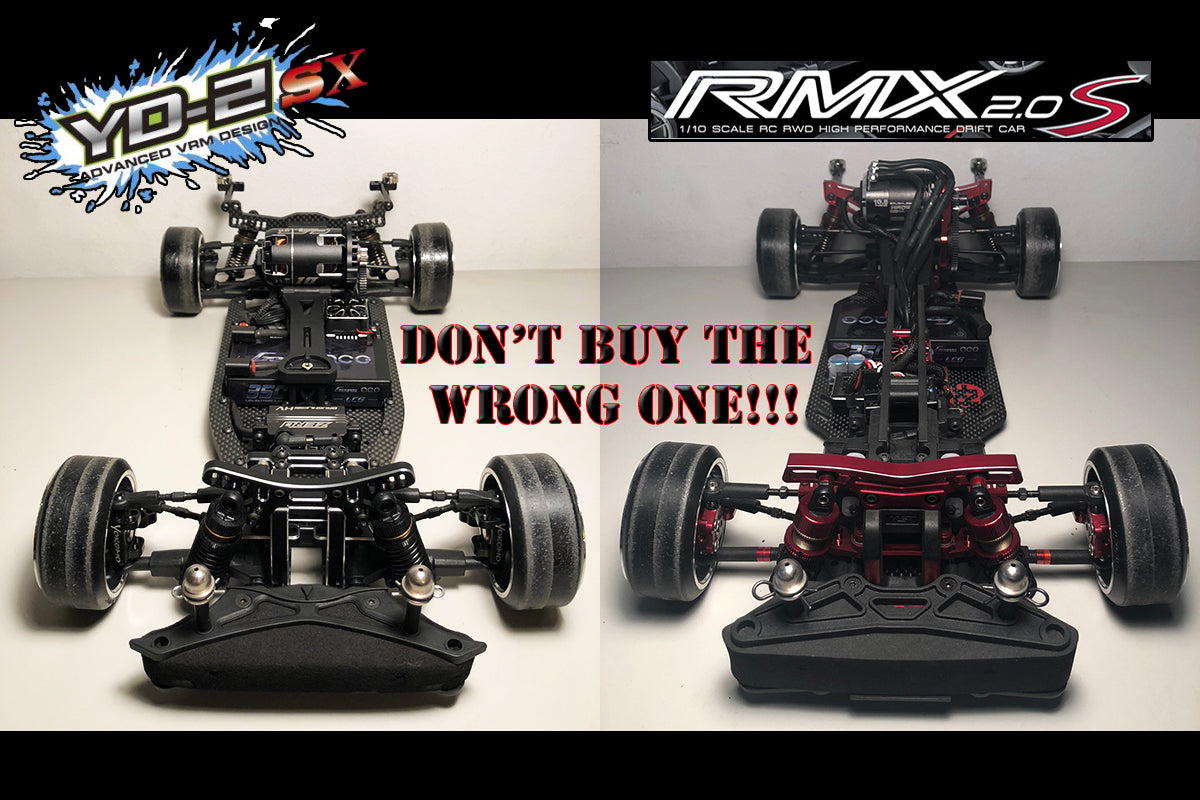
The foundation of successful RC drifting begins with selecting an appropriate chassis. While some beginners try drifting with standard RC cars, dedicated drift chassis provide critical advantages. Look for rear-wheel drive (RWD) models with a low center of gravity and adjustable suspension geometry. Popular entry-level drift chassis include the Yokomo YD-2, MST RMX-2, and Team Associated DR-10. These platforms feature diffuser bodies, long wheelbases, and suspension systems designed specifically for drifting. Avoid four-wheel drive (4WD) models for beginners, as they require significantly more power and tuning to break traction consistently.
Essential Modifications for Drift Capability
Transforming a standard RC car into a drift machine requires specific modifications that reduce traction while maintaining control. The most critical modification involves replacing standard rubber tires with specialized drift tires. Hard compound plastic or foam tires dramatically reduce grip, allowing the rear wheels to break loose more easily. Brands like Yokomo, JConcepts, and Pro-Line offer purpose-built RC drift tires in various hardness levels. For beginners, medium-hardness tires provide the best balance between slide control and predictability. Additionally, install stiffer rear springs and softer front springs to create a weight transfer profile that encourages oversteer during cornering.
Perfecting Your RC Drift Tire Setup
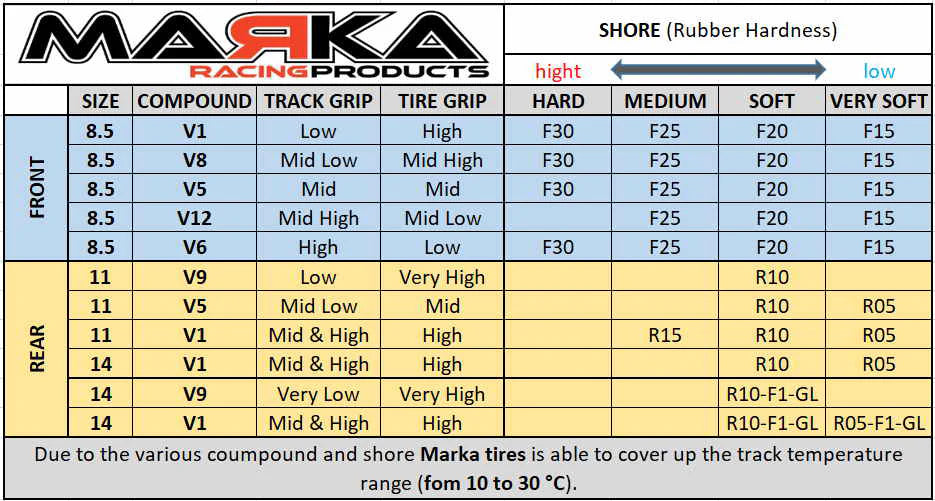
Tire selection and preparation represent the single most important factor in achieving consistent RC drift performance. The right tires determine how easily your car breaks traction and how controllable it remains during slides.
How to Select the Correct Drift Tire Hardness
Tire hardness directly affects your RC car’s ability to drift consistently. Most drift tires come in multiple hardness options ranging from soft (for high-traction surfaces) to hard (for low-traction conditions). Beginners should start with medium-hardness tires (typically labeled “M” or “Medium”) which work well on most indoor drift surfaces. For outdoor drifting on concrete or asphalt, harder compounds perform better, while smoother indoor surfaces like parking lots or gym floors require slightly softer tires. Test different compounds to find what works best for your specific driving surface – the ideal tire should allow controlled slides without being so slippery that the car becomes unpredictable.
Proper Tire Mounting and Truing Techniques
Mounting drift tires correctly ensures consistent performance and prevents wobble during high-speed slides. Always mount tires on true, undamaged wheels and use tire glue to prevent separation during aggressive maneuvers. After mounting, true the tires by spinning them slowly while holding a stationary object near the tread to identify high spots. Carefully sand down any irregularities until the tire spins perfectly round. Uneven tires create vibration that disrupts drift control, especially at higher speeds. For best results, true tires after every few drift sessions as they wear unevenly due to constant sliding.
Mastering RC Drift Driving Techniques
Technical modifications alone won’t make your RC car drift – proper driving technique transforms setup potential into controlled slides. Learning these fundamental techniques separates beginners from intermediate drifters.
The Scandinavian Flick: Entry Technique for Consistent Drifts
The Scandinavian flick initiates controlled drifts by momentarily shifting weight before the turn-in point. Approach the corner at moderate speed, then quickly steer slightly in the opposite direction (away from the corner) before sharply turning into the corner. This weight transfer breaks rear traction more predictably than direct turn-in. Practice this technique at lower speeds first, gradually increasing speed as you gain confidence. The key is smooth, progressive steering input after the initial flick – jerky movements cause spins. Most beginners oversteer during the flick; focus on subtle opposite lock followed by smooth correction.
Throttle Control During Drift Execution
Throttle management separates good RC drifters from great ones. Maintain consistent throttle pressure once the drift initiates – sudden increases cause spins, while lifting throttle abruptly ends the drift. For RWD electric drift cars, use a transmitter with adjustable throttle curves to soften initial acceleration. Begin with approximately 60-70% throttle to maintain drift angle through the corner, adjusting based on your car’s power delivery. When exiting the drift, gradually reduce throttle while simultaneously unwinding steering input. Practice maintaining drifts through full corners without touching the brakes, as most dedicated drift transmitters disable braking during slides.
Troubleshooting Common RC Drifting Problems

Even with proper setup and technique, RC drifters encounter specific problems that disrupt smooth slides. Identifying and correcting these issues quickly improves your drifting experience.
Why Your RC Car Won’t Break Traction Consistently
If your RC car pushes through corners instead of drifting, several factors could be at play. Most commonly, tires are too grippy for your surface – try harder compounds or clean your drift surface of debris that increases traction. Another frequent issue is incorrect weight distribution; add small amounts of weight to the rear (5-10 grams at a time) to encourage oversteer. Check your suspension settings – soft rear springs prevent the necessary weight transfer during cornering. Finally, verify your differential isn’t too tight; a slightly loose rear diff helps initiate slides more predictably.
Fixing Uncontrollable Spinning During Drifts
When your RC car spins out immediately after initiating a drift, you’re likely applying too much steering input too quickly. Practice smoother, more gradual steering movements as you enter the drift. Reduce your initial speed approaching corners – many beginners carry too much speed into the turn. If the problem persists, check your tire condition; worn or uneven tires cause unpredictable breakaway. Adjust your transmitter settings to reduce steering sensitivity, especially at full lock. Consider adding a small amount of weight to the front of the car to increase front grip and stabilize the drift entry.
Essential RC Drift Maintenance Practices
Regular maintenance ensures consistent drift performance and extends the life of your drifting RC car. Unlike standard RC vehicles, drift cars experience unique wear patterns that require specific attention.
Post-Session Drift Tire Care Routine
After each drifting session, clean tires thoroughly with a soft brush and mild soap solution to remove surface debris that affects performance. Store tires away from direct sunlight and extreme temperatures, as UV exposure hardens plastic compounds over time. Rotate tires regularly to ensure even wear, as drift tires wear primarily on the outer edges. Inspect tires for cracks or deformities after extended use – compromised tires create inconsistent drift behavior. For foam tires, consider applying a light silicone treatment to maintain consistent hardness between sessions.
Drivetrain Checks to Prevent Drift Failures
Drifting places unique stress on drivetrain components, particularly rear differentials and drive shafts. After every 3-4 drift sessions, inspect your rear diff for proper fluid level and condition. Replace diff oil when it becomes contaminated with metal shavings. Check drive shafts for play or binding, which affects power delivery during slides. Tighten all suspension pivot points, as loose joints create unpredictable handling. Verify motor and ESC temperatures after sessions – excessive heat indicates improper setup that strains components during drifting maneuvers.
Mastering how to make an RC car drift requires understanding the delicate balance between setup, surface conditions, and driving technique. Start with proper tire selection and basic chassis modifications before advancing to complex tuning. Practice the Scandinavian flick entry technique at low speeds until you achieve consistent breakaway, then gradually increase speed and complexity. Remember that small adjustments make significant differences in drift performance – change only one variable at a time when troubleshooting. With regular practice and proper maintenance, you’ll transform your RC car into a controlled drifting machine capable of impressive slides. For continued improvement, film your sessions to analyze drift lines and identify technique adjustments. Join local RC drift clubs to learn from experienced drivers and discover new tracks that challenge your developing skills.