Your RC car careening out of control during a backyard race isn’t just frustrating—it’s dangerous. When your 1/10-scale buggy hits 45+ mph on uneven terrain, one bump can send it crashing through flower beds or worse, into bystanders. Slowing down your RC car isn’t about sacrificing fun; it’s about maintaining control while protecting your investment. Whether you’re teaching kids to drive, navigating tight obstacle courses, or adapting to slippery conditions, precise speed management transforms chaotic runs into smooth, enjoyable sessions. In this guide, you’ll discover field-tested techniques used by RC clubs to dial back speed without damaging electronics—starting with adjustments you can make in under 5 minutes.
Electronic Speed Controller (ESC) Programming Tweaks
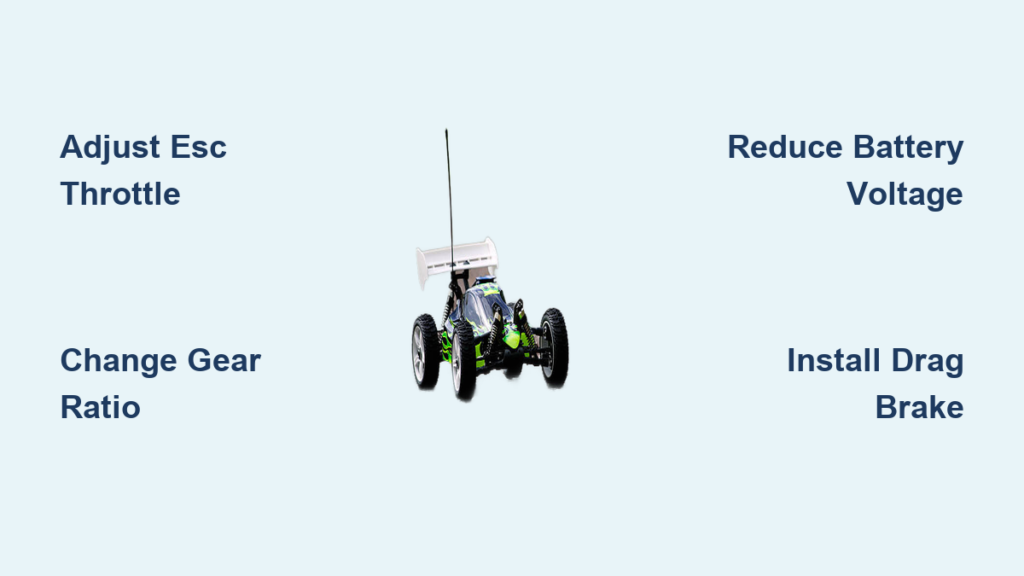
Your ESC is the brain controlling motor power. Most modern units have programmable settings accessible via transmitter or dedicated programmers. These adjustments let you reduce top speed while preserving torque for climbing or acceleration.
How to Adjust Throttle Endpoints on Your Transmitter
Throttle endpoints limit how far your trigger opens the ESC’s power gate. Reducing this range directly caps maximum speed:
- Enter programming mode: Hold down your transmitter’s setup button while powering on
- Navigate to “Throttle Setup”: Select “Endpoint Adjustment” or “Travel Adjust”
- Reduce high endpoint: Lower the “+Endpoint” value from 100% to 70-85% (test increments of 5%)
- Test immediately: Drive in open area—throttle should feel less aggressive at full trigger pull
- Fine-tune: If motor cuts out during turns, increase low endpoint by 5%
Critical warning: Never set high endpoint below 60% on brushed motors—this causes overheating. Brushless systems tolerate lower settings (50-55%).
Using Drag Brake to Control Coasting
Drag brake applies reverse voltage when releasing the throttle, slowing coasting:
– Optimal setting: 25-35% for off-road vehicles (prevents wheel lock on dirt)
– Avoid: Settings above 40% on pavement—causes tire scrubbing and motor strain
– Pro tip: Pair with reduced throttle endpoints for smoother deceleration
Gear Ratio Modifications for Permanent Speed Reduction
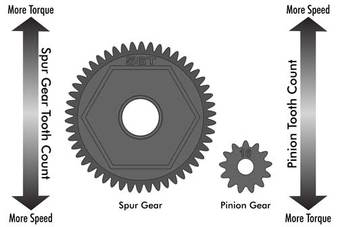
Changing gear ratios is the most reliable mechanical slowdown method. Unlike electronic tweaks, this won’t drain battery life or cause ESC strain.
Calculating the Right Gear Reduction
| Current Setup | Target Speed | Required Change | Example Modification |
|---|---|---|---|
| 48T pinion / 120T spur | 35 mph | -25% speed | 38T pinion / 120T spur |
| 50T pinion / 84T spur | 42 mph | -15% speed | 45T pinion / 84T spur |
Implementation steps:
1. Count existing pinion (motor gear) and spur (driveshaft gear) teeth
2. Reduce pinion size by 10-15% OR increase spur size by same percentage
3. Install new pinion gear with 2mm hex driver (apply thread locker)
4. Verify clearance—new gear must not rub chassis walls
Common mistake: Using mismatched gear pitches (e.g., 48P pinion with 64P spur). Always match pitch specifications stamped on gears.
Battery Voltage Management
Lower voltage = less power. This method requires no programming but impacts runtime.
Safe Voltage Reduction Strategies
- Switch to NiMH batteries: Replace 2S LiPo (7.4V) with 6-cell NiMH (7.2V) for 8-10% speed drop
- Partial discharging: Run LiPo down to 3.7V/cell before use (monitor with voltage checker)
- Never do: Cutting LiPo leads to remove cells—creates fire hazard
Critical note: Brushed motors tolerate voltage drops better than brushless. On brushless systems, stay above 3.0V/cell to prevent ESC damage.
Motor Swaps for Inherent Speed Control
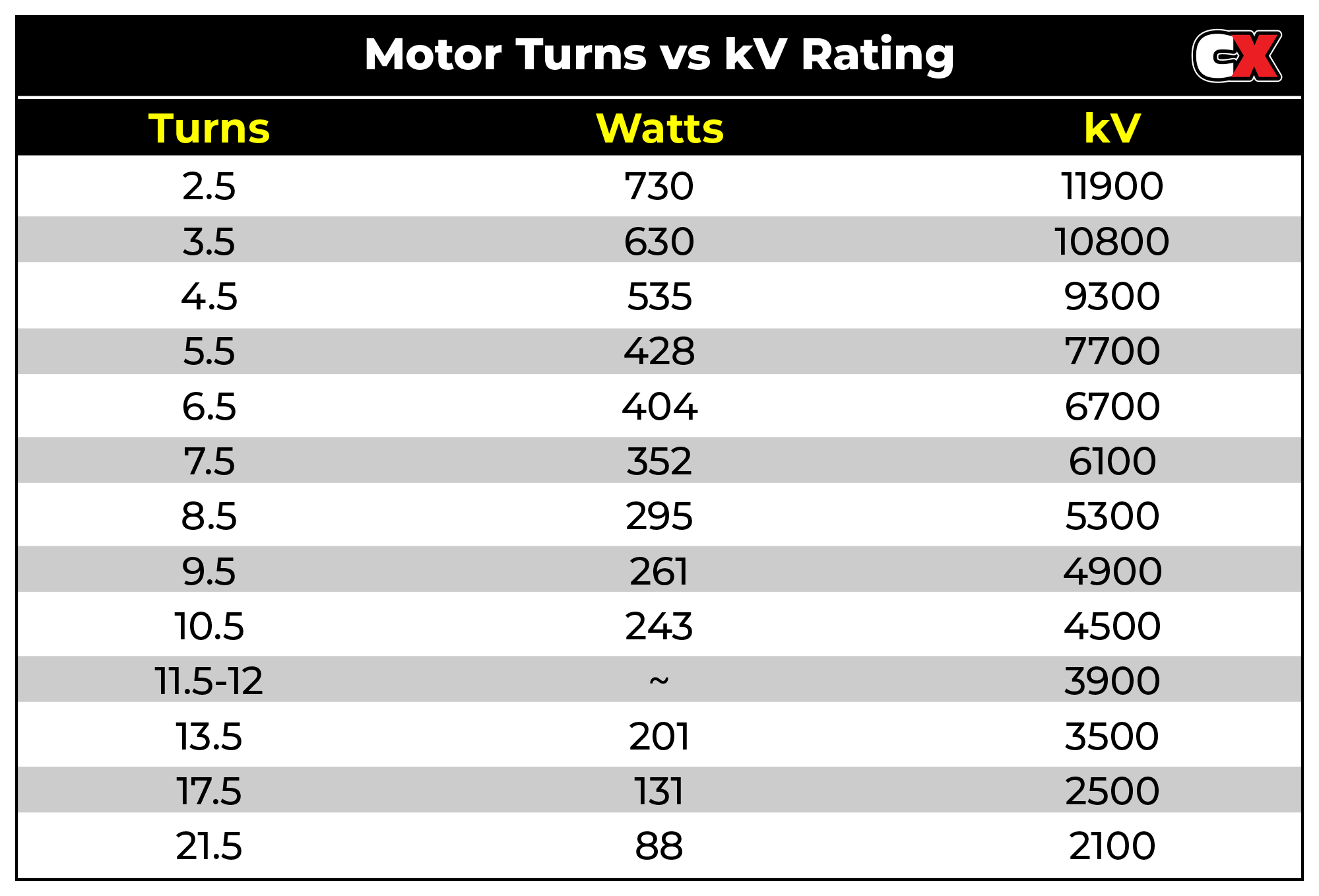
Motor specifications directly determine speed potential. Swapping requires compatibility checks.
Choosing the Right Replacement Motor
| Motor Type | Turns | Speed Impact | Best For |
|---|---|---|---|
| Brushed 550 | 35T | -20% vs 27T | Beginner trails |
| Brushless 3650 | 2200KV | -30% vs 3500KV | Wet conditions |
| Brushless 3660 | 1900KV | -40% vs 3200KV | Technical crawling |
Installation checklist:
– Confirm shaft diameter matches pinion gear
– Verify motor length fits housing
– Match connector type (EC3, Deans, etc.)
– Ensure cooling vents align with chassis
Transmitter Programming Shortcuts
High-end radios like Spektrum or Futaba offer instant slowdown profiles:
Creating a “Beginner Mode” Profile
- Duplicate current model in transmitter memory
- Navigate to Travel Adjust → Throttle
- Set high endpoint to 75%
- Reduce expo to 15% (smoother trigger response)
- Save as “Slow Mode” profile
Pro tip: Bind this profile to a switch for instant toggling during races.
Mechanical Braking Solutions
When electronics aren’t enough, physical resistance works:
Adding Wheel Drag with Spacers
- Remove axle nut with 7mm wrench
- Install 2-3mm aluminum spacer between wheel and hub
- Re-tighten nut—wheel should have slight resistance when spun by hand
- Test drive: Adjust spacer thickness until coasting distance drops 40%
Warning: Excessive drag causes bearing wear. Check wheel temperature after 5 minutes of runtime—should be warm but not hot.
When to Avoid Speed Reduction
Not all slowdown methods suit every scenario:
– Never reduce voltage below 6.0V on brushless systems (triggers low-voltage cutoff)
– Avoid gear ratios below 2.5:1 (spur/pinion)—causes motor overheating during climbs
– Don’t use drag brake above 35% on loose terrain—induces fishtailing
Maintenance Tips to Sustain Optimal Speed Control
After implementing slowdown methods:
– Weekly: Check gear mesh—0.5mm shim gap prevents tooth stripping
– After wet runs: Clean ESC fan vents with compressed air
– Every 10 battery cycles: Re-torque motor screws (1.5 Nm max)
Final Speed Tuning Checklist
Before your next run:
1. Verify throttle endpoints don’t cause motor stutter
2. Confirm reduced speed maintains enough torque for inclines
3. Test braking distance on target surface
4. Ensure no unusual heat from motor/ESC after 3 minutes runtime
Slowing down your RC car transforms near-misses into controlled precision driving. Start with ESC throttle adjustments for instant results, then explore gear ratios for permanent tuning. Remember: Proper speed management extends the life of your entire drivetrain while making every run safer and more enjoyable. For technical crawling or beginner training, combining a 1900KV brushless motor with 30% drag brake delivers buttery-smooth control at walking pace. When you master these techniques, you’re not just reducing speed—you’re unlocking new dimensions of RC mastery.
Pro Tip: Keep a dedicated “slow mode” transmitter profile for rainy days. Many seasoned racers use 65% throttle endpoints on wet grass to prevent wheel spin while maintaining steering responsiveness.