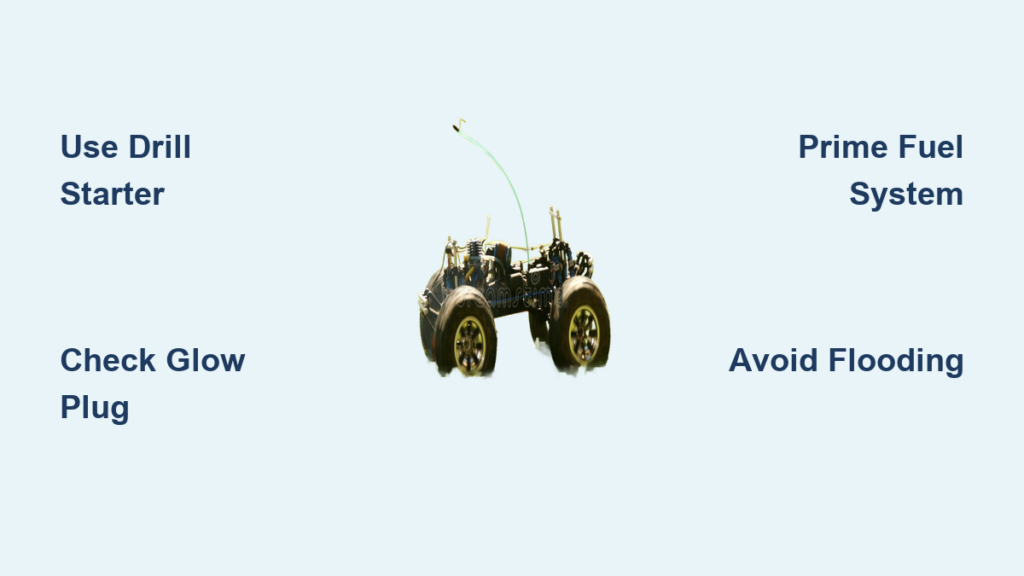
Struggling with a stubborn pull-start on your nitro RC car? That frustrating moment when you’ve yanked the cord repeatedly only to hear silence instead of the satisfying roar of your engine is all too familiar for nitro RC enthusiasts. Many hobbyists abandon nitro cars after repeated starting failures, not realizing there’s a simple solution that eliminates the physical strain and dramatically increases success rates. Knowing how to start a nitro RC car with a drill transforms your experience from frustrating to fantastic—no more sore arms, no more failed attempts, and no more missed track time.
This technique has become the go-to method for serious RC racers and casual hobbyists alike because it provides consistent cranking speed that mimics professional starting equipment at a fraction of the cost. Whether you’re a beginner overwhelmed by nitro engine complexities or a seasoned driver tired of pull-start failures, mastering drill starting ensures you spend more time driving and less time wrestling with your engine. In this guide, you’ll learn the exact tools needed, step-by-step procedures, and critical troubleshooting tips that guarantee successful starts every time.
Why Drill Starting Beats Traditional Pull-Starting Every Time
The pull-start mechanism on nitro RC engines creates unnecessary barriers to enjoying your hobby. Unlike electric models that start with the flip of a switch, nitro engines demand physical effort and precise technique that often leads to frustration. Drill starting solves these problems by delivering consistent rotational speed between 300-500 RPM—the sweet spot for reliable ignition that human arms simply can’t match consistently.
When you use a drill to start your nitro RC car, you eliminate the variable of human technique. No more guessing whether you pulled “hard enough” or “too fast”—the drill provides steady, controlled rotation that properly compresses the fuel-air mixture. This consistency means fewer failed attempts, reduced risk of engine flooding, and less wear on your pull-start mechanism. For hobbyists with physical limitations or those who simply want to maximize track time, drill starting isn’t just convenient—it’s essential for reliable performance.
Must-Have Equipment for Successful Drill Starting

Selecting the Perfect Drill for Your Nitro Engine
Not all drills work effectively for starting nitro RC cars. You need a variable-speed model with sufficient torque control—typically a 12V or 18V cordless drill with a clutch setting. The clutch prevents damage if the engine suddenly catches and tries to spin the drill backward. Look for a drill that maintains consistent speed between 300-500 RPM under load; cheaper models often bog down when encountering engine compression, defeating the purpose of using them.
Pro Tip: Test your drill before heading to the track. Place it in a vise and run it while applying gentle resistance to the chuck. If the speed drops significantly, consider upgrading to a more powerful model or using a dedicated RC starter box.
Choosing the Right Starting Shaft Adapter
The starting shaft connects your drill to your engine’s pull-start mechanism, and getting the correct size is critical. Most nitro RC engines use either 3mm or 3.17mm (1/8 inch) shafts, but always verify your specific engine requirements before purchasing. Quality adapters feature hardened steel construction to withstand repeated use—cheap plastic models often strip or break under compression.
When attaching the shaft, ensure approximately 1-2 inches extend beyond the drill chuck for optimal grip. Tighten the chuck securely and test the connection by gently twisting the shaft before attempting to start your engine. A loose connection can slip during operation, potentially damaging your engine’s starter cup.
Pre-Start Checklist: Avoid Common Mistakes
Fuel System Verification
Before attempting to start your nitro RC car with a drill, verify your fuel system is ready. Fill your tank with fresh nitro fuel (20-30% nitro content for most hobby engines) and prime the fuel line by squeezing the primer bulb until fuel reaches the carburetor. Old or contaminated fuel causes starting problems that mimic technique failures—replace fuel that’s been sitting more than two months.
Check all fuel lines for cracks or kinks that could restrict flow. Pinch the fuel line between the tank and carburetor and squeeze the primer bulb—fuel should move freely through the system. If not, replace any compromised lines before proceeding.
Glow Plug Inspection and Testing
A properly functioning glow plug is non-negotiable for successful starting. Remove your glow plug and inspect the heating element—any breaks, excessive discoloration, or deformation means it’s time for replacement. Connect your glow igniter and verify it heats the plug properly: the element should glow bright orange within 2-3 seconds.
Pro Tip: Keep spare glow plugs and igniter batteries at the track. A weak igniter battery is one of the most common—and most easily fixed—reasons for starting failures.
Step-by-Step Drill Starting Procedure
Proper Vehicle Positioning and Safety Setup
Place your nitro RC car on a stable surface with the tires blocked to prevent movement. Ensure you have adequate ventilation—nitro fuel vapors are flammable and prolonged exposure is unhealthy. Remove any obstacles near rotating components and confirm you have clear access to both the drill trigger and glow igniter.
Wear safety glasses during starting attempts. Engine components can fail under pressure, and fuel spray can cause eye irritation. Keep a fire extinguisher rated for flammable liquids nearby as a precaution.
Connecting Your Drill and Starting Sequence
- Insert the hex end of your starting shaft into the drill chuck and tighten securely
- Engage the shaft with your engine’s pull-start mechanism, pressing firmly until fully seated
- Confirm drill rotation direction (should be clockwise when viewed from behind)
- Connect your glow igniter to the glow plug lead
- Prime the engine with 2-3 presses of the primer button
- Squeeze the drill trigger steadily while counting 5-15 full revolutions
- Listen for the distinctive “pop” indicating ignition
- Release the trigger immediately upon hearing ignition
- Keep the glow igniter connected for 10-15 seconds as the engine warms
Critical Mistake to Avoid: Never leave the drill connected while the engine runs. The shaft can become a dangerous projectile if the engine accelerates suddenly.
Troubleshooting Failed Starts Like a Pro
When the Engine Won’t Rotate
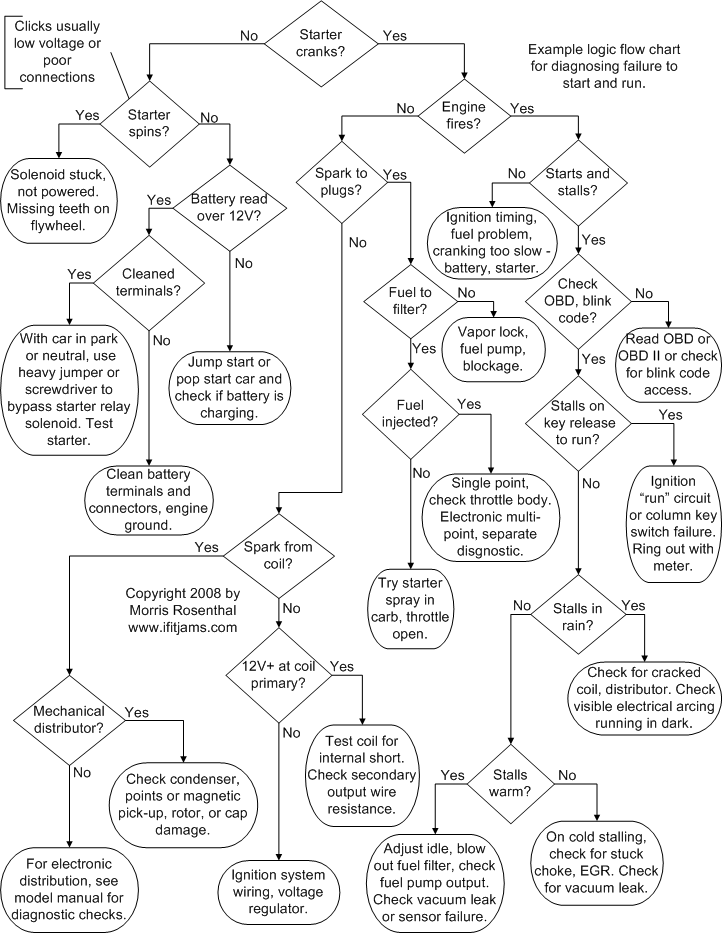
If your engine refuses to turn with the drill, first verify the starting shaft is properly engaged with the pull-start cup. Remove and reattach it, ensuring full seating. Check that your drill rotation direction is correct—counterclockwise rotation won’t start the engine and could damage components.
If the engine still won’t rotate, attempt to turn the pull-start cup by hand. Binding indicates internal mechanical problems requiring professional inspection. More commonly, fuel has flooded the combustion chamber—remove the glow plug, drain excess fuel, and let the engine sit for 10 minutes before retrying.
Cranking Without Ignition: The Top 3 Culprits
When your engine cranks smoothly but won’t start, focus on these three critical systems:
- Glow plug functionality: Remove the plug with igniter connected and verify it glows bright orange. A dim or non-glowing plug indicates dead batteries or faulty connections.
- Fuel delivery: Remove the air filter and watch the carburetor throat while priming—fuel should spray visibly into the chamber.
- Compression: A healthy nitro engine should offer noticeable resistance during cranking. Little resistance suggests valve timing issues or worn piston rings.
Fixing a Flooded Engine in Under 5 Minutes
Excessive cranking attempts flood your engine with too much fuel, drowning the glow plug. Symptoms include strong fuel smell and wet spark plug. To clear a flooded engine:
- Remove the glow plug
- Turn the car upside down to drain excess fuel
- Crank the engine 5-10 revolutions with drill (without glow plug)
- Allow 5 minutes for residual fuel to evaporate
- Reinstall glow plug and try starting again with minimal priming
Drill Maintenance for Long-Term Reliability
Your drill represents a small investment that pays huge dividends in starting reliability—protect that investment with proper care. After each use, wipe the starting shaft clean of fuel residue and store it in a dry location. Fuel degrades rubber components over time, so inspect O-rings and seals regularly for swelling or cracking.
Keep your drill battery charged and store it in a climate-controlled environment. Extreme temperatures permanently reduce battery capacity. If your drill sits unused for weeks, perform a full charge cycle before your next RC session to maintain battery health.
Why This Method Beats Other Starting Options
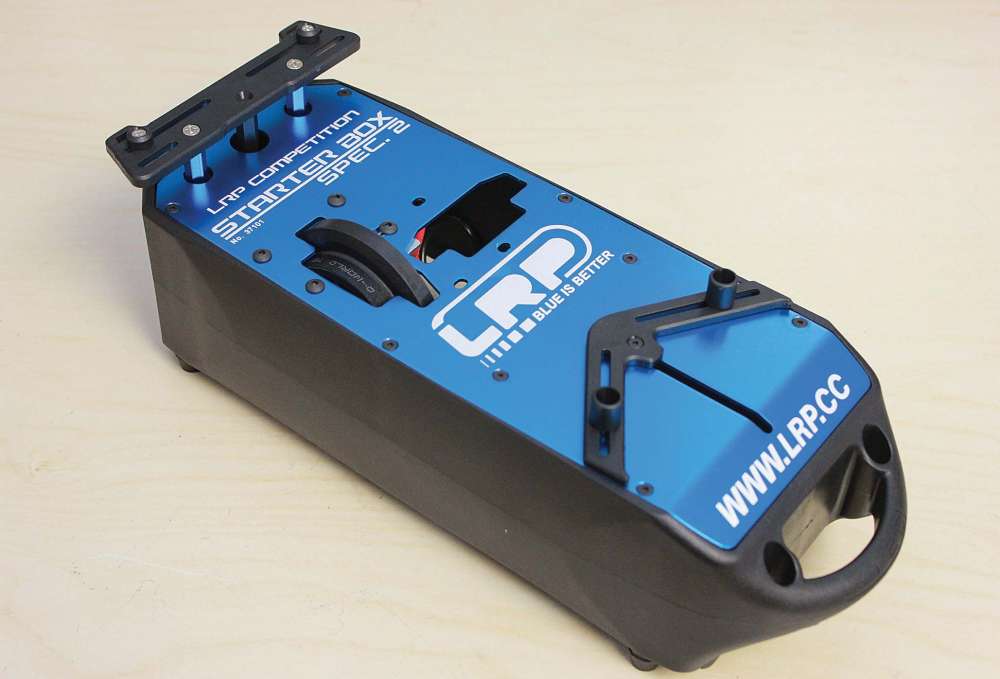
While electric starter boxes offer convenience, they cost significantly more than using a drill you likely already own. Pull-starting requires physical strength and perfect technique that many hobbyists never master. Drill starting provides the perfect balance of affordability, reliability, and simplicity—making it the ideal solution for both beginners and experienced racers.
The time you save with drill starting translates directly to more track time. Where pull-starting might take 5-10 minutes of frustrating attempts, drill starting typically achieves ignition in under 30 seconds once you’ve mastered the technique. This efficiency keeps your engine cooler, preserves glow plugs, and prevents fuel waste from repeated failed attempts.
Mastering how to start a nitro RC car with a drill transforms your entire nitro experience. No longer will you dread engine starting or waste precious track time wrestling with stubborn pull-cords. With the right equipment, proper technique, and troubleshooting knowledge, you’ll achieve reliable starts every time—freeing you to focus on what really matters: the thrill of driving your nitro RC car at full speed. The roar of your successfully started engine will become your new favorite sound, signaling the beginning of uninterrupted driving enjoyment.