Nothing ruins an RC racing session faster than watching your tires expand like balloons at high speeds. When centrifugal force overwhelms your tire’s structural integrity, you lose critical traction, experience unpredictable handling, and face premature tire wear. This frustrating phenomenon affects hobbyists at all levels, from casual backyard racers to competitive circuit drivers. Understanding why ballooning happens and implementing proven solutions will transform your RC experience, saving you money on replacement parts while dramatically improving performance.
The root cause lies in physics—centrifugal force pushes your tire’s rubber outward as rotational speed increases. But the good news is you can effectively combat this issue with strategic tire selection, proper installation techniques, and smart driving adjustments. This guide delivers actionable solutions you can implement today, whether you’re running a budget-friendly Traxxas Slash or a high-end Team Associated race car. By the end, you’ll have a comprehensive strategy to keep your tires firmly mounted and performing at their peak.
Why Your RC Tires Expand at High Speeds
RC tire ballooning occurs when centrifugal force overcomes the structural integrity of your tire compound. As your tires rotate faster, the rubber material gets pushed outward from the center of rotation, causing the sidewalls to bulge and the tire shape to deform. This isn’t just cosmetic—it fundamentally alters how your vehicle handles corners and responds to steering inputs.
Rotational speed measured in RPM is the primary culprit behind ballooning. Most RC tires have specific RPM limits, and exceeding these pushes the rubber beyond its elastic threshold. Entry-level tires often balloon at speeds where reinforced models maintain their shape. The difference comes down to construction—standard tires use softer compounds for grip but sacrifice structural rigidity.
Heat dramatically compounds the problem. As you drive, friction generates heat within the tire rubber, making it more pliable. A warm tire at high RPM is far more likely to balloon than a cool one at the same speed. This explains why ballooning issues often appear later in a race run when tires have heated up. Poor installation practices, including inadequate glue application and incorrect foam insert sizing, create weak points that fail under centrifugal load.
How Tire Construction Affects Ballooning Resistance
Tire manufacturers engineer specific constructions to combat ballooning, and understanding these differences helps you select the right tires for your application. High-performance tires feature stiffer sidewall constructions, reinforced bead areas, and proprietary rubber compounds that maintain shape under stress. Look for terms like “belted,” “steel-belted,” or “reinforced” when shopping—these incorporate internal support structures that prevent outward expansion.
Consider these construction factors when selecting tires:
– Sidewall thickness: Thicker sidewalls resist deformation better but may reduce overall grip
– Bead construction: Reinforced bead areas maintain wheel attachment under extreme forces
– Internal reinforcement: Kevlar or synthetic fabric layers create rigid frameworks within the tire
– Compound hardness: Softer compounds provide better grip but balloon more easily
Many racers report significant improvements by switching from standard tires to reinforced models, even when running the same vehicle setup. The investment pays off through extended tire life and consistent performance at high speeds.
Install Foam Inserts for Maximum Structural Support

Foam inserts serve as your tire’s internal skeleton, and proper selection and installation are critical for preventing ballooning. The right foam insert fills the tire’s interior, providing shape retention and impact absorption that combats centrifugal deformation.
Choose firmness based on your driving style—softer inserts compress easily during cornering, allowing tire deformation, while firmer inserts maintain shape under extreme forces. For high-speed applications, select firm or extra-firm foam inserts rated specifically for racing. Brands like Pro-Line and AOS Racing offer foam inserts with graduated firmness options that match various driving conditions.
When sizing inserts, aim to fill 80-90% of your tire’s internal volume. An undersized insert leaves empty space where the tire can deform, while an oversized insert stretches the tire excessively during installation, causing premature wear. Most manufacturers provide sizing charts based on wheel diameter and tire size—follow these precisely rather than guessing.
Pro Tip: Some advanced racers wrap their foam inserts with thin electrical tape to reduce friction between the insert and tire. This prevents internal wear during high-speed runs and maintains consistent performance throughout your session. The tape creates a smooth surface that allows the tire to rotate slightly over the insert without tearing the rubber.
Master Professional-Grade Gluing Techniques
How you secure your tires to your wheels directly impacts ballooning resistance. The bead area—where tire meets wheel—must withstand enormous centrifugal forces, and poor glue jobs often manifest as ballooning before complete detachment occurs.
Use CA glue specifically formulated for RC tire mounting, not household varieties that can’t handle vibrations and stresses. Many experienced builders use a two-step approach: thin CA penetrates the tire’s bead area for deep bonding, followed by medium CA to build a strong fillet around the wheel edge. Apply glue generously to the entire bead surface, working it into the tire compound rather than just coating the surface.
Critical Warning: Allow adequate cure time before testing at speed. CA glue reaches initial bond strength quickly but achieves full cure over 24-48 hours. Rushing this process with thicker applications can cause partial bond failure that leads to ballooning during high-speed runs. Mount new tires at least one day before important racing sessions.
Optimize Tire Pressure for Your Specific Setup
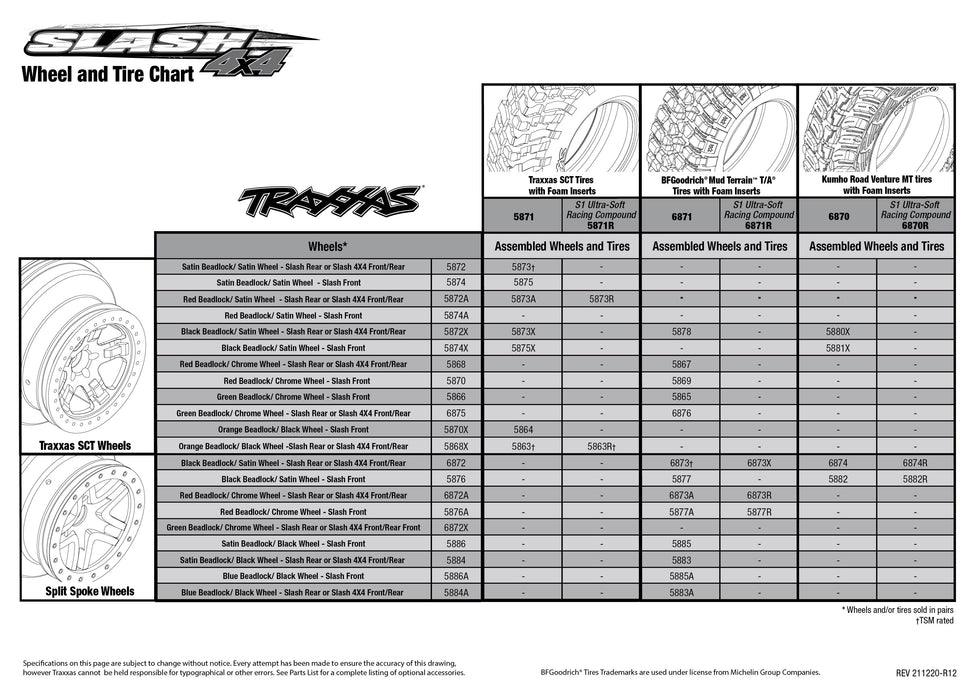
Proper inflation pressure dramatically affects ballooning resistance, and finding your sweet spot requires understanding how pressure interacts with your specific tire construction and driving conditions.
Over-inflated tires have reduced contact patches and increased internal pressure that works against your foam inserts, potentially causing bulging between the beads. Most RC tires list maximum pressure on packaging—stay at or slightly below these values for optimal performance. Under-inflated tires create excessive sidewall flex that generates heat and creates opportunities for centrifugal deformation.
Check pressure before each session and adjust according to manufacturer recommendations for your vehicle class and surface conditions. Remember that temperature significantly affects tire pressure—warmed tires show higher pressure than cold ones. Establish your baseline cold pressure and make small adjustments based on how the vehicle handles at operating temperature.
How to Find Your Perfect Pressure
Finding optimal pressure requires systematic testing:
1. Start with manufacturer’s recommended pressure
2. Drive several laps, noting handling characteristics
3. Increase or decrease pressure by 1-2 PSI increments
4. Document handling changes at each adjustment
5. Identify the pressure that provides best balance of grip and stability
Many serious racers use tire warmers to bring tires to optimal temperature before racing, which stabilizes pressure during competition runs and prevents thermal shock that contributes to ballooning.
Adjust Driving Style to Minimize Tire Stress
Even with perfectly set up tires, aggressive driving can push them past their limits. Learning to modulate throttle and steering inputs extends tire life and prevents ballooning-related failures.
Practice smooth throttle application, especially through high-speed sections where ballooning is most likely. Hard acceleration forces tires to generate maximum grip instantly, and this stress peaks when combined with high rotational speeds. Gradually building speed rather than pinning the throttle immediately after corners reduces peak forces on your tires.
Reduce throttle input through straightaways where ballooning occurs. Remember the relationship between speed and centrifugal force is exponential—doubling your speed quadruples the force trying to deform your tires. If your vehicle shows ballooning signs at three-quarter throttle, back off slightly and maintain speed through momentum rather than continuous power application.
Avoid burnouts or excessive wheel spinning on startup. These not only waste tire life but heat the compound unevenly, creating weak points that fail first during high-speed operation. Let tires warm up gradually through gentle driving for the first minute of a session, then build up to full speed progressively.
Implement a Consistent Maintenance Routine
Preventive maintenance catches ballooning causes before they become failures. Establish these inspection practices before and after each driving session:
Before driving:
– Visually inspect tires for wear, damage, or separation
– Check bead areas for gaps, bubbling rubber, or dried glue
– Run hands along tire surfaces to feel for soft spots
After driving:
– Clean tires thoroughly to remove dirt and debris
– Press on sidewalls to check for uneven insert compression
– Verify tire pressure hasn’t changed significantly
Rotate tires regularly to ensure even wear—front tires wear differently than rears, and left-side tires differ from right-side on most tracks. This extends overall tire life and helps identify when individual tires are approaching end-of-life before catastrophic failure.
Know When to Replace Tires Before Failure
Understanding replacement timing prevents ballooning incidents and associated vehicle damage. Tire age matters even if structurally sound—rubber compounds degrade over time due to ozone exposure and temperature cycling. Most hobbyists find tires last 1-2 years before compounds begin breaking down, even without use.
Replace tires immediately if you notice:
– Surface checking (small cracks in the rubber)
– Hardening of the compound
– Separation between tire layers
– Visible damage like cuts or punctures
Monitor performance for subtle changes indicating structural integrity loss. Increased vibration at speed, inconsistent handling where the vehicle previously felt stable, or visible deformation not present when new are all warning signs that replacement is needed.
Final Ballooning Prevention Strategy
Stopping RC car tire ballooning requires addressing multiple factors simultaneously—proper equipment selection, correct installation, appropriate maintenance, and modified driving habits. Start by selecting reinforced tires appropriate for your speed requirements and install them with quality glue and properly sized foam inserts. Maintain consistent tire pressure, inspect regularly for signs of wear or damage, and adjust your driving to avoid unnecessary stress on tires.
The investment in quality tires, proper setup time, and maintenance routines pays dividends through better performance, longer tire life, and fewer frustrating failures. Your RC vehicle is only as good as the contact it maintains with the ground—keep your tires in top condition and they’ll keep you running fast and having fun for years to come.