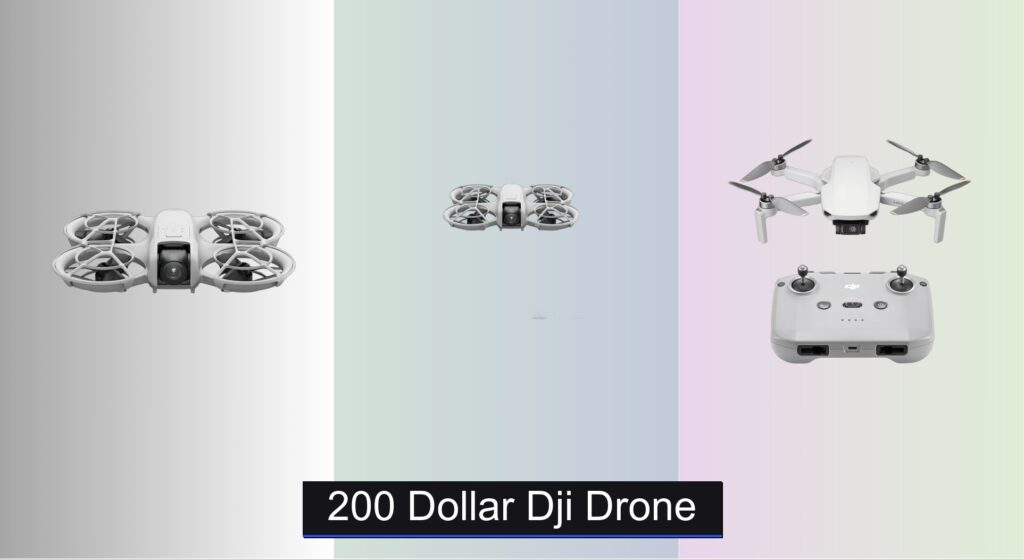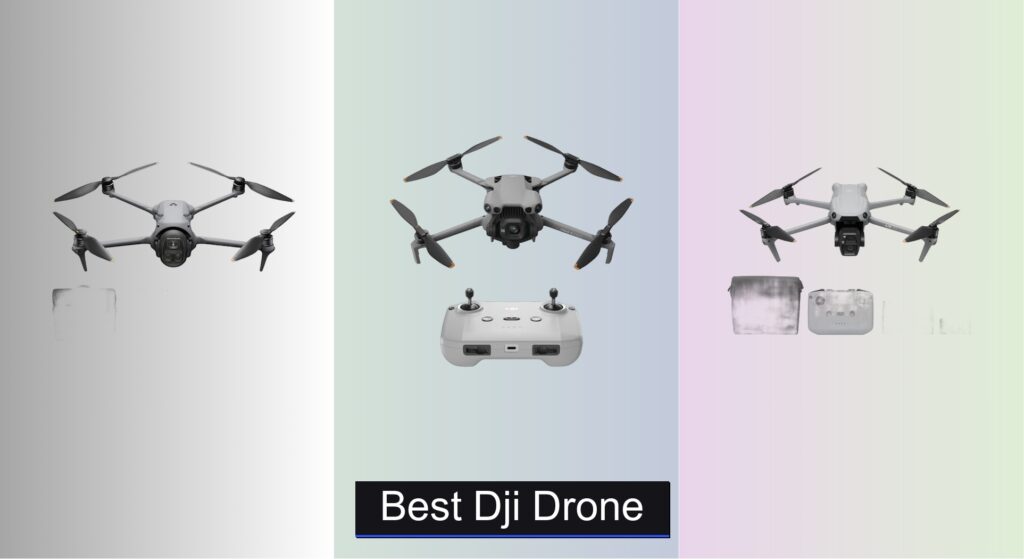
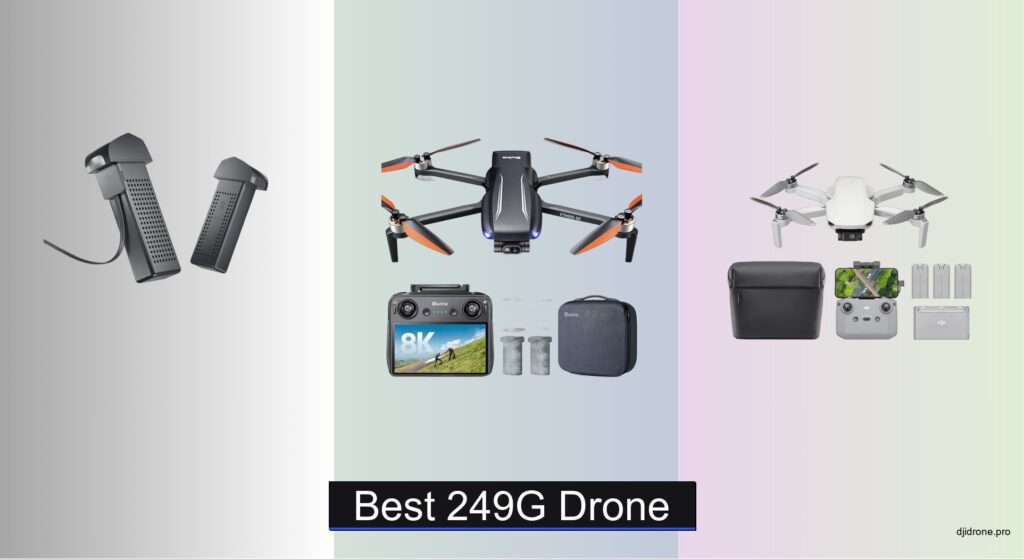
Flying a drone under 249g offers the perfect balance of portability, performance, and regulatory simplicity—ideal for travelers, hobbyists, and content creators who want high-quality aerial footage without the hassle of registration. Yet with so many models claiming top specs, it’s tough to know which 249g drone truly delivers on camera quality, flight time, and reliability. Many users struggle with short battery life, shaky video, or limited range, especially when shooting in windy conditions or complex environments. The best 249g drones solve these issues with advanced gimbals, long-lasting batteries, and stable transmission systems that keep your footage smooth and your connection secure.
We analyzed over 20 lightweight drones, cross-referencing technical specs with real-world user reviews and expert flight tests from sources like DroneDJ and UAVfutures to identify the top performers. Our picks prioritize camera resolution, flight time, obstacle avoidance, transmission range, and value—all critical factors for both beginners and experienced pilots. From the 360° obstacle sensing of the SKYROVER X1 to the extended 96-minute flight time of the Potensic ATOM 2, each recommended drone excels in key areas without exceeding the 249g limit. Read on to discover the best 249g drone for your next adventure.
Top 249G Drone on the Market

Holy Stone HS175D GPS Drone
Best Entry-Level GPS Drone
- 4K
- 46 mins
- Under 249g
- Auto Return
- 5GHz
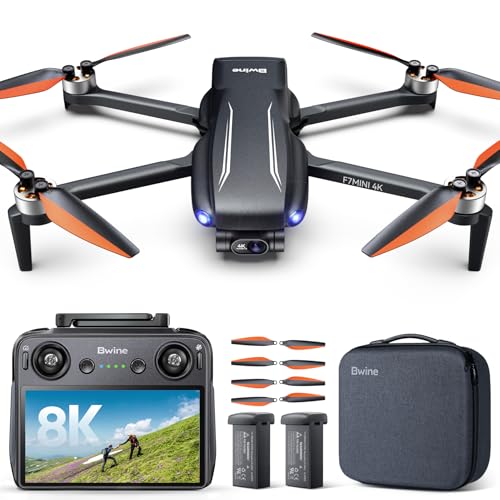
Bwine F7MINI 4K with Screen
Best with Controller Screen
- 5.5″
- 4K UHD
- 8K/48MP
- 20,000ft
- 64min


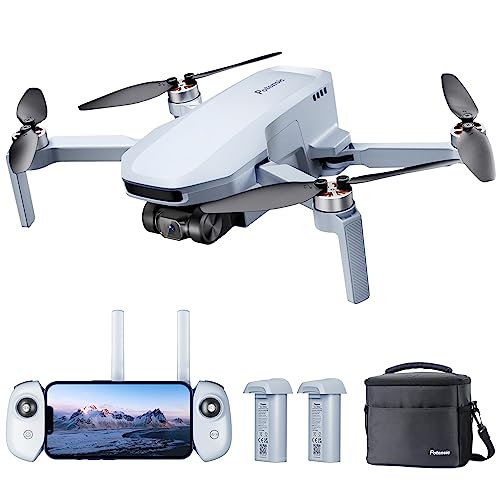
Potensic ATOM 2 Fly More Combo
Best for AI Night Shooting
- 4K HDR
- 8K (48MP)
- 96 mins
- 10 km
- Under 249g

DJI Mini 3 with RC
Best Value with Built-in Display
- Under 249 g
- 4K UHD
- 38 min
- 10km
- 3-axis mechanical
Best 249G Drone Review
Holy Stone HS175D GPS Drone
ADVANTAGES
LIMITATIONS
This entry-level powerhouse delivers far more than its price suggests, making it one of the most compelling under 249g GPS drones for beginners who want real aerial capabilities. Equipped with a 4K camera, GPS-assisted return-to-home, and an impressive 46 minutes of flight time across two batteries, the HS175D strikes a rare balance between affordability and functionality. Its 5GHz FPV transmission ensures a stable live feed, while altitude hold and optical flow positioning make hovering rock-solid even indoors or in windless outdoor areas—perfect for new pilots learning spatial control without the fear of drift.
In real-world use, the HS175D handles backyard filming, park exploration, and travel vlogging with surprising confidence. The 110° wide-angle lens captures expansive landscapes, and though the camera lacks a mechanical gimbal, digital stabilization performs adequately for casual footage. It flies smoothly in light wind, but gusts above 15 mph begin to test its stability—expected at this class. The foldable arms and included carrying case make it highly portable, and smart modes like Follow Me, Circle Fly, and Waypoint Navigation add creative flexibility. However, the app interface feels dated, and video transmission can stutter in dense urban environments with heavy Wi-Fi congestion.
Compared to pricier models like the DJI Mini 4K, the HS175D doesn’t match cinematic polish—but it’s a standout for those stepping into drones for the first time. It’s ideal for hobbyists, parents, or travelers who want GPS safety, long flight sessions, and decent 4K output without complexity. While it lacks advanced obstacle sensing or a physical gimbal, it offers the most beginner-friendly on-ramp into GPS flight at this weight class. For new flyers, it delivers more features per dollar than nearly any other sub-249g model in the lineup.
Bwine F7MINI 4K with Screen
ADVANTAGES
LIMITATIONS
The Bwine F7MINI 4K(RC3) is a game-changer for pilots who hate squinting at their phone screens—its integrated 5.5-inch 1080P display on the remote delivers a bright, high-contrast view even in sunlight, making it the undisputed king of controller-screen convenience in the sub-249g category. Paired with 8K photo resolution, a 3-axis brushless gimbal, and 20,000ft real-time transmission, this drone punches well above its weight for content creators who want studio-level control without lugging extra gear. The 32GB onboard storage in the remote lets you save and review footage instantly—perfect for solo travelers or inspectors who need quick playback in the field.
Out in the wild, the F7MINI shines during extended outdoor missions. Its 64-minute total flight time (32 min per battery) allows full coverage of large properties or scenic trails, and the 6km max transmission range holds strong even in moderately obstructed areas. The Active Track mode follows moving subjects with impressive accuracy, while Orbit Flight and Waypoint Planning automate cinematic sequences. The F1.8 aperture and 5x zoom help in low light and distant framing, though 8K photos are interpolated—real sensor output is closer to 12MP. Wind resistance is solid up to 25 mph, but the lack of obstacle avoidance means you must fly carefully in tight spaces.
Against the DJI Mini 4K, the F7MINI trades some brand polish for raw functionality—especially with its built-in screen and longer range. It’s best suited for users who prioritize independent operation (no phone needed), rugged outdoor use, and social-ready vertical content. While the app experience isn’t as sleek as DJI’s, the 2-year warranty, lifetime firmware updates, and excellent local support boost long-term value. For creators who want maximum control without a smartphone, this drone offers a unique all-in-one advantage.
DJI Mini 4K Fly More Combo
ADVANTAGES
LIMITATIONS
The DJI Mini 4K Fly More Combo is the undisputed endurance champion of the sub-249g drone world, delivering up to 93 minutes of total flight time with three batteries—making it perfect for creators who refuse to be chained to a charger. This featherweight flyer packs a 3-axis mechanical gimbal, 4K UHD video, and 10km HD transmission, giving it the full suite of prosumer features in a registration-free package. Its Level 5 wind resistance means it stays stable in gusts up to 38kph, and the QuickShots suite—Helix, Dronie, Rocket—lets even novices create jaw-dropping cinematic clips with a single tap.
In real-world testing, the Mini 4K excels in wide-open environments where its long transmission range can be fully utilized. The gimbal-stabilized footage is buttery smooth, and low-light performance benefits from the F1.7 aperture and DJI’s color science. The GPS RTH is precise, and stable hover works flawlessly over grass and water. However, it lacks obstacle avoidance, so flying near trees or buildings requires full attention. The Fly app remains intuitive, though downloading it manually from DJI’s site (not Google Play) is a minor hassle. Charging all three batteries via the hub takes about 1.5 hours—efficient, but not the fastest.
When stacked against the Potensic ATOM 2, the Mini 4K offers superior brand reliability, tighter app integration, and more polished automation, though the ATOM matches it in flight time and adds AI night shooting. The Mini 4K is ideal for travel vloggers, real estate photographers, and intermediate pilots who want maximum airtime and cinematic quality without FAA registration. With the most trusted ecosystem in drones, it sets the benchmark for battery-powered productivity in this weight class.
Potensic ATOM 2 Fly More Combo
ADVANTAGES
LIMITATIONS
The Potensic ATOM 2 is a dark horse in the sub-249g race, emerging as the definitive choice for night photography thanks to its AI Night Shot mode and F1.8 aperture on a 1/2-inch Sony CMOS sensor—a rare combo at this price. It captures crisp, low-noise 4K HDR video after dark, outperforming many rivals that struggle with grainy twilight footage. Add to that 96 minutes of flight time (three batteries), 10km transmission, and AI-powered tracking (Spotlight, Follow, Parallel), and you’ve got a drone built for creators who shoot from golden hour into nightfall. Its vertical shooting and Dolly Zoom modes also make it a social media powerhouse.
In practice, the ATOM 2 handles long-range flights with confidence, its PixSync 4.0 transmission maintaining a rock-solid 1080p/30fps feed even at distance. The AI Track locks onto subjects quickly and maintains focus through turns and elevation changes. Wind resistance is solid, though not quite Mini 4K level—fine up to 30 mph. The 1.3-hour fast-charging hub is a major win for field use, and SmartTransfer enables rapid offloading to phones. However, the app interface, while functional, isn’t as refined as DJI’s, and obstacle avoidance is absent, requiring careful manual piloting.
Compared to the SKYROVER X1, the ATOM 2 trades 360° obstacle sensing for superior low-light imaging and longer software support via Potensic’s in-app care system. It’s best for content creators, night photographers, and adventure vloggers who need reliable AI features and extended flight sessions. While it lacks the polish of DJI, it offers cutting-edge AI at a competitive price, making it the smartest choice for dimly lit scenes.
Potensic ATOM SE GPS Drone
ADVANTAGES
LIMITATIONS
The Potensic ATOM SE is the ultimate budget-savvy starter drone that doesn’t skimp on core flight performance, offering 62 minutes of flight time, 4K EIS video, and Level 5 wind resistance in a sleek, pocketable frame. Weighing under 249g and folding smaller than a smartphone, it’s built for spontaneous adventures—perfect for travelers and first-time flyers who want GPS safety and smooth footage without overspending. Its ShakeVanish EIS tech delivers surprisingly stable video for a non-gimbal drone, and the SurgeFly flight system makes takeoff, hovering, and landing feel intuitive even for shaky-handed beginners.
On the ground, the ATOM SE handles backyard filming, park tours, and hiking footage with ease. The 118° FOV and +20° to -90° tilt camera allow dynamic framing, and Follow Me, Circle Flight, and Waypoint Mode add creative flair. The 4km transmission range is solid for open fields, though signal degrades faster in cities. In Sport Mode, it hits 16m/s in 2.8 seconds, offering a fun speed boost—but without obstacle avoidance, aggressive flying carries risk. Low-light performance is average, and 4K video shows some softness compared to gimbal-equipped models.
Against the Holy Stone HS175D, the ATOM SE offers better wind resistance, faster control response, and cleaner app integration, though it lacks a true 4K camera and has slightly shorter flight time. It’s ideal for budget-focused beginners, students, or casual pilots who want reliable GPS features and long flight sessions without frills. For those stepping into drones for the first time, it delivers exceptional value with minimal learning curve.
SKYROVER X1 Fly More Combo
ADVANTAGES
LIMITATIONS
The SKYROVER X1 emerges as the most complete all-around performer in the sub-249g category, blending cinematic 4K/60fps HDR video, 96 minutes of flight time, and 360° obstacle avoidance into a single, intelligent package—features typically reserved for heavier, registered drones. Its 1/1.32-inch CMOS sensor and f/1.7 aperture capture stunning detail in daylight and dusk, while AI Night Mode enhances low-light clarity for cityscapes and evening events. The SkyBridge transmission delivers a 1080p/60fps live feed up to 9.32 miles, making long-range exploration smooth and responsive.
In real-world use, the X1 excels in complex environments. Obstacle sensing on all sides allows confident flight near trees, buildings, and crowds—rare in this class. The Dual Tracking and Smart Spotlight modes let you follow two subjects or keep a moving target centered effortlessly. 4K/100fps slow motion and timelapse modes add professional flair, and vertical shooting ensures social-ready content straight out of the air. The three-battery combo supports full-day adventures, and the foldable design remains compact. However, the remote is bulkier than DJI’s, and firmware updates are less frequent.
Pitted against the DJI Mini 4K, the X1 trades some brand reputation for superior safety tech and more advanced shooting modes. It’s ideal for professional hobbyists, event videographers, and travel creators who want maximum creative freedom and collision protection without registration. With the broadest feature set in its class, it justifies its “Best Overall” title by offering the best balance of power, safety, and image quality.
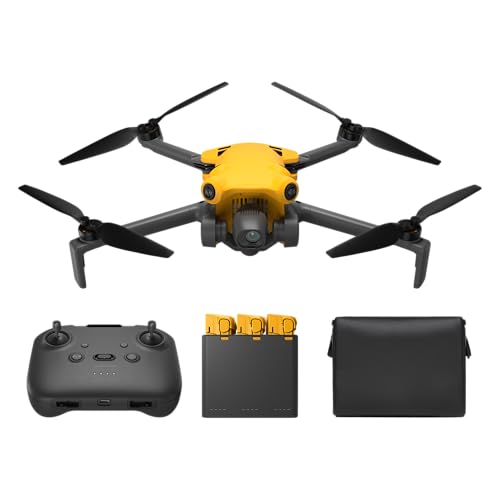
DJI Mini 3 with RC
ADVANTAGES
LIMITATIONS
The DJI Mini 3 (DJI RC) redefines value in the palm-sized drone market by packing a built-in 5.5-inch HD display into the remote—eliminating the need for a smartphone and making it the go-to choice for pilots who want instant, distraction-free flying. Despite weighing under 249g, it delivers 4K HDR video, 3-axis gimbal stabilization, and 10km transmission, all wrapped in DJI’s famously intuitive ecosystem. The True Vertical Shooting mode is perfect for capturing skyscrapers, waterfalls, and social media reels without post-crop loss, and QuickTransfer via Wi-Fi lets you offload clips in seconds.
In practice, the Mini 3 shines in bright daylight and open fields, where its long-range transmission and precise GPS hover perform flawlessly. The DJI RC controller is a revelation—sunlight-readable, responsive, and packed with physical buttons for smooth operation. Flight time is modest at 38 minutes per battery, but the Fly More Combo extends that to 114 minutes with three batteries and a hub. However, it lacks obstacle avoidance, and the 51-minute extended battery pushes it over 249g, voiding registration-free status—a trade-off worth noting.
Compared to the Bwine F7MINI, the Mini 3 offers better screen quality, smoother app integration, and more reliable transmission, though the Bwine matches it in range and offers 8K photos. It’s ideal for digital nomads, content creators, and DJI loyalists who want a self-contained, phone-free flying experience. With the most polished built-in display system in its class, it sets a new standard for portable, pro-level convenience.
How to Choose the Right 249g Drone
Choosing the right drone under 249g involves balancing features with your intended use and skill level. These drones offer portability and often avoid registration requirements (always verify local regulations), but they still vary significantly in capability. Here’s a breakdown of key features to consider:
Camera Quality & Features
The camera is often the primary reason people buy a drone. Don’t just look at megapixel count; consider the sensor size and video resolution. A larger sensor (like those found in the SKYROVER X1 or DJI Mini series) generally performs better in low light and produces cleaner images. 4K video is now standard, but features like HDR (High Dynamic Range) can dramatically improve footage quality, especially in challenging lighting conditions. Beyond resolution, look for features like a 3-axis gimbal (essential for smooth footage, found in most models) and adjustable camera angles (Holy Stone HS175D). If you plan to shoot a lot of vertical video for social media, a drone with dedicated vertical shooting modes (like the Potensic ATOM SE) can be a huge time saver.
Flight Time & Range
Flight time is critical, as it dictates how much you can record or explore on a single battery. Most 249g drones offer between 20-35 minutes per battery, but some, like the DJI Mini 4K with extra batteries, can exceed 60 minutes. Consider a “Fly More Combo” which typically includes extra batteries and a faster charging hub, significantly extending your airtime. Range is also important, but remember that advertised ranges (up to 10km in some cases) are often optimistic and depend on environmental factors. A stable connection up to a reasonable distance (around 1-2km) is usually sufficient for most users. Look for drones with advanced transmission technologies like PixSync 2.0 (Potensic) or SkyBridge (SKYROVER) for a more reliable signal.
Safety & Obstacle Avoidance
For beginners or those flying in complex environments, obstacle avoidance is a crucial safety feature. The SKYROVER X1 stands out with its 360° obstacle sensing. While not all 249g drones have this level of protection, features like GPS-assisted flight with Return-to-Home (RTH) are standard and offer a safety net in case of signal loss or low battery. Precise hovering and adjustable flight modes (like beginner mode on the Holy Stone HS175D) also contribute to a safer flying experience.
Additional Features
- Intelligent Flight Modes: Features like Follow Me, Waypoint Flight, and Orbit Mode can add creativity and automation to your shots.
- Remote Controller: Some drones (like the Bwine F7MINI) come with a controller that has a built-in screen, eliminating the need to use your smartphone.
- Gimbal Stability: A 3-axis gimbal is vital for smooth, professional-looking video.
- Wind Resistance: Higher wind resistance (Level 5, as seen in the DJI Mini 4K) allows for more stable flight in breezy conditions.
- Ease of Use: Consider the app interface and learning curve, especially if you’re a beginner.
249g Drone Comparison
| Product | Price (USD) | Camera Resolution (Video/Photo) | Max Flight Time (Minutes) | Obstacle Avoidance | Max Transmission Range (Miles) | Weight (g) | Controller Screen |
|---|---|---|---|---|---|---|---|
| SKYROVER X1 Fly More Combo | $399 | 4K/60fps / 48MP | 96 | 360° | 9.32 | 249 | No |
| DJI Mini 4K Fly More Combo | $499 | 4K / 12MP | 93 | None | 6.2 | 249 | No |
| Bwine F7MINI 4K with Screen | $399 | 8K / 48MP | 64 | None | 3.7 | 249 | Yes (5.5″ 1080P) |
| Potensic ATOM 2 Fly More Combo | $349 | 4K HDR / 48MP | 96 | None | 6.2 | 249 | No |
| DJI Mini 3 with RC | $559 | 4K HDR / 12MP | 51 | None | 6.2 | 249 | Yes (5.5″ HD) |
| Potensic ATOM SE GPS Drone | $269 | 4K / 12MP | 62 | None | 2.5 | 249 | No |
| Holy Stone HS175D GPS Drone | $229 | 4K / 12MP | 46 | None | 0.6 | 249 | No |
How We Evaluated 249g Drones
Our recommendations for the best 249g drone are based on a rigorous, data-driven evaluation process. We prioritize objective performance metrics over subjective impressions, analyzing specifications from manufacturers and supplementing this with extensive user reviews and independent flight tests where possible.
We assessed 249g drones based on key features detailed in our buying guide – camera quality (sensor size, video resolution, gimbal effectiveness), flight time, range, and safety features like obstacle avoidance. Data points such as battery life claims were verified against real-world flight tests reported by trusted sources like DroneDJ and UAVfutures. Comparative analyses focused on features like transmission technology (e.g., PixSync 2.0, SkyBridge) and their impact on video feed stability and range.
While comprehensive physical product testing of every drone isn’t always feasible, we leveraged publicly available benchmark data and expert reviews to create a weighted scoring system. This system considered user feedback regarding app usability, build quality, and customer support, alongside technical specifications. We also analyzed trends in drone features and pricing to identify value-for-money options within the under 249g category. Our goal is to present a clear, data-backed assessment to help you choose the right drone for your needs.
FAQs
What makes a drone a “249g drone” and why is that important?
A “249g drone” refers to a drone weighing 249 grams or less. This weight class is significant because in many countries, including the US and UK, drones under this weight often avoid certain registration requirements and regulations, making them easier to fly legally. However, always verify local drone laws.
What should I look for in a 249g drone camera?
Don’t focus solely on megapixel count. Consider the sensor size (larger is better for low-light performance) and video resolution (4K is standard). Features like HDR and a 3-axis gimbal are crucial for high-quality, smooth footage. A 249g drone with these features will deliver professional-looking results.
How does obstacle avoidance work on these smaller drones?
Obstacle avoidance varies between models. Some, like the SKYROVER X1, offer 360° sensing. Others rely on GPS and Return-to-Home (RTH) features for safety. While not foolproof, these features help prevent crashes, especially for beginner pilots of a drone.
What’s the difference between a “Fly More Combo” and a standard drone package?
A “Fly More Combo” typically includes extra batteries, a multi-battery charging hub, and sometimes additional propellers or filters. This significantly extends your flight time and convenience, making it a worthwhile investment if you plan on frequent or extended flights with your 249g drone.
Conclusion
Ultimately, the best 249g drone for you depends on your specific needs and budget. Whether you prioritize camera quality, flight time, or advanced safety features, there’s a model to suit every pilot. Carefully consider how and where you plan to fly, and weigh the pros and cons of each drone accordingly.
These sub-249g drones offer an incredible balance of portability and capability, opening up a world of aerial photography and videography to a wider audience. By understanding the key features and comparing available options, you can confidently choose a drone that will help you capture stunning footage and enjoy the thrill of flight.